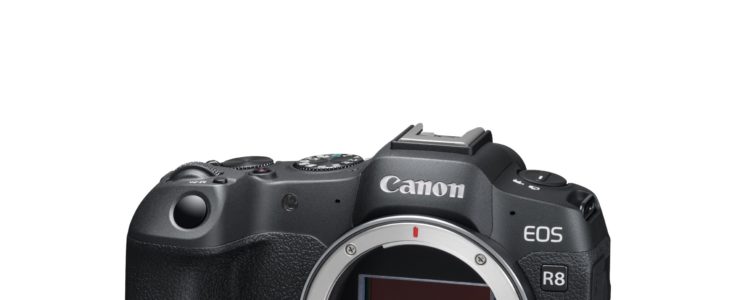
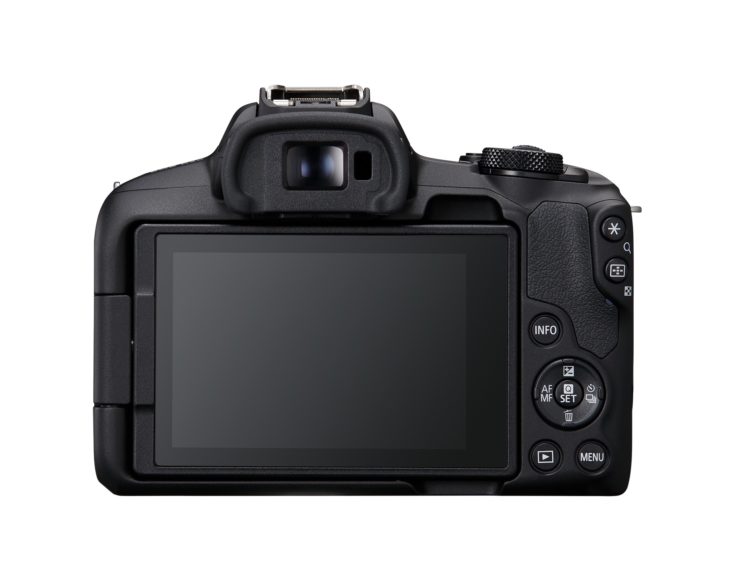
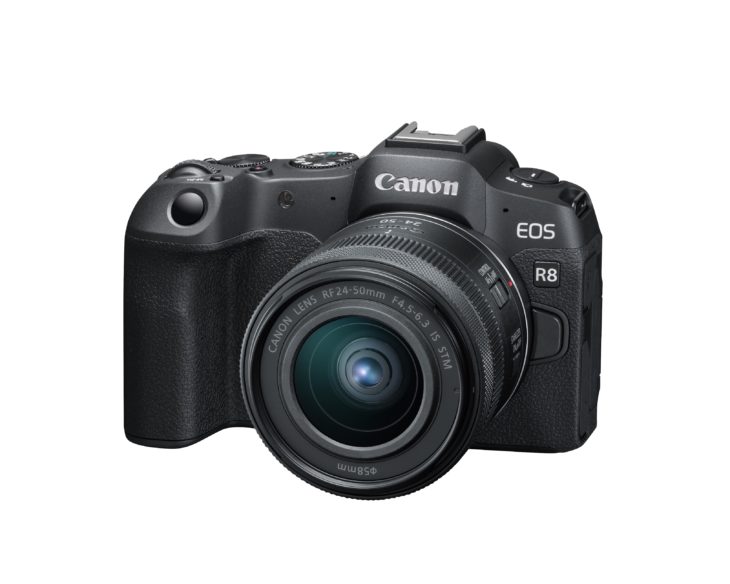
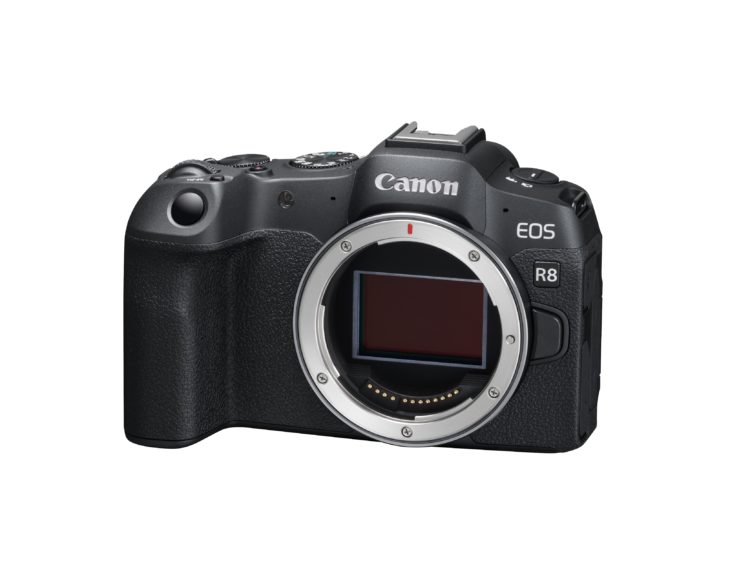
In what seems to be a regular appointment after every recent gear announcement, Canon let’s know that there are supply shortages for the Canon EOS R8. Check all Canon EOS R8 coverage here.
From Canon Japan:
Apology and information regarding product supply status
Updated: February 10, 2023
Thank you for your continued patronage of Canon products.
Currently, we have received more orders than expected for the following products, and due to the global supply of parts, delivery delays are occurring. We apologize for the inconvenience caused to our customers and business partners. We apologize again for making our customers wait so long. We will continue to take measures for stable product supply so that we can deliver products as soon as possible. Thank you kindly look forward for your understanding.
Record
product name
About supply
EOS R6 Mark II Canon EOS R7 Canon EOS R8 RF135mm F1.8L IS USM RF400mm F2.8L IS USM RF800mm F5.6L IS USM Speedlite EL-5
We are planning to ship in order, but it may take longer than usual to deliver.
All new Canon gear is already available for preorder at B&H Photo and Adorama.
Canon EOS R8 world-wide preorder: [shoplist 70746]
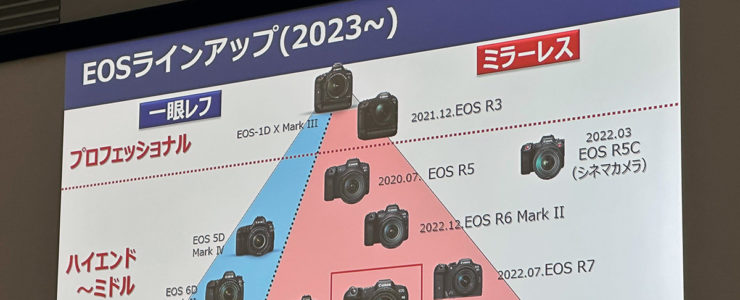
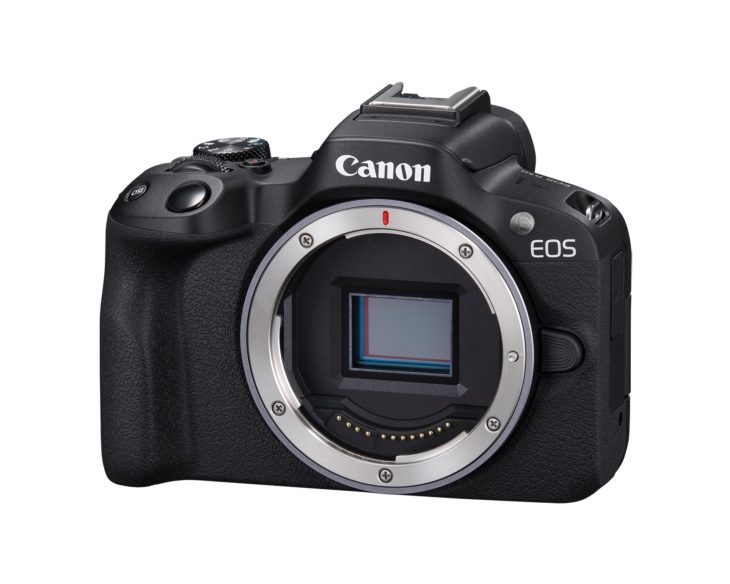
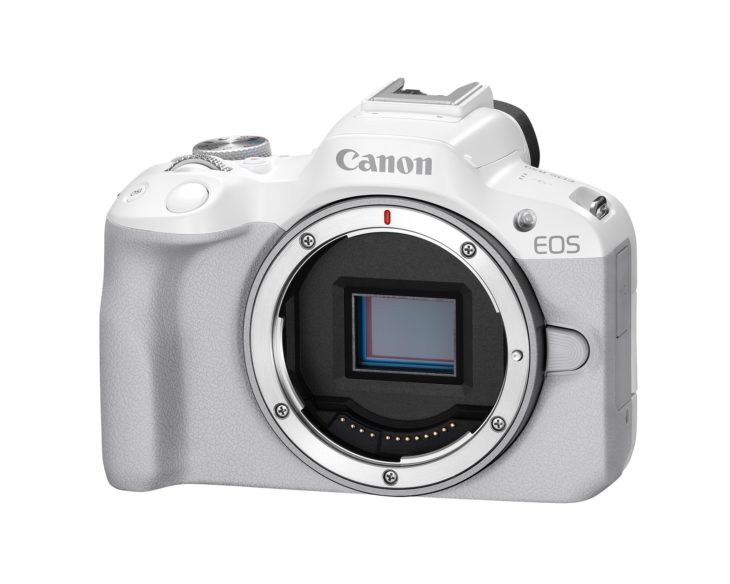
On February 8, Canon announced the APS-C mirrorless “EOS R50” that inherited the concept of the company’s entry-level single-lens camera “EOS Kiss” series.
The R50 is a model that aims to improve image quality with the EOS R system while inheriting the concept of the company’s “EOS Kiss” series, “simple, clean, compact”. However, it does not bear the name of Kiss, and is not a direct successor to the current model “EOS Kiss M2” of the same brand. Nonetheless, while covering the entry level targeted by Kiss, it will be developed as a model that conveys the appeal of mirrorless cameras more widely.
The Kiss series is celebrating its 30th anniversary this year, but as mentioned above, the R50 is an entry model but not the “Kiss” series. According to Canon Marketing Japan, camera needs have diversified with the changing times, and in order to convey the appeal of mirrorless interchangeable-lens cameras to a wider range of people than Kiss users so far, it has been integrated into a model name that is used globally instead of the Kiss brand. It is said that
Kiss is a brand name that was originally used in Japan, for example, the overseas name of the EOS Kiss M2 was “EOS M50 Mark II”. However, in addition to the EOS Kiss M2, the EOS Kiss series including single-lens reflex cameras such as the “EOS Kiss X10/X10i” are still on sale, so the Kiss brand will not disappear soon.
This makes me wonder if Canon will kill the Rebel camera lineup too. I guess they will. The new Canon EOS R50 seems to introduce a new entry-level camera lineup that might well replace the Kiss and Rebel lineups.
As expected, Canon announced the new Canon EOS R8 and Canon EOS R50.
The Canon EOS R8 will be available at $1,499. The Canon RF 24-50mm F4.5-6.3 IS STM lens with the EOS R8 will have an estimated retail price of $1,699. The Canon EOS R50 camera body will be available for an estimated retail price $679.99. The EOS R50 with the RF-S 18-45mm F4.5-6.3 IS STM lens will be available for an estimated retail price of $799.99. The EOS R50 with the RF-S 18-45mm F4.5-6.3 IS STM and RF-S 55-210mm F5-7.1 IS STM lenses will be available for an estimated retail price of $1,029. The RF 24-50mm F4.5-6.3 IS STM lens will be available for an estimated retail price $299.99 while the RF-S 55-210mm F5-7.1 IS STM lens will have an estimated retail price of $349.99. All products are currently scheduled to be available in Spring 2023.
All Canon gear announced today are already available for preorder at B&H Photo and Adorama.
Canon EOS R8 preorder: [shoplist 70746]
Canon EOS R50 preorder: [shoplist 70747]
Canon press release:
Canon Adds EOS R50 and EOS R8 to the Growing EOS R Mirrorless Camera System
Plus, Image Story Telling Through R-Mount Lenses Is Ramped Up With Additions of the New RF-S55-210mm F5-7.1 IS STM and RF24-50mm F4.5-6.3 IS STM Lenses
MELVILLE, NY, February 7, 2023 – Canon U.S.A., Inc., a leader in digital imaging solutions, announced today the launch of the new EOS R50 camera body, ideal for entry level users, and the EOS R8, an extremely compact, full-frame camera aimed at advanced amateur photo and video enthusiasts looking for budget-friendly options that don’t sacrifice performance. Additionally, two new RF-Mount lenses are being introduced to the ever-growing R-mount lens lineup.
EOS R50
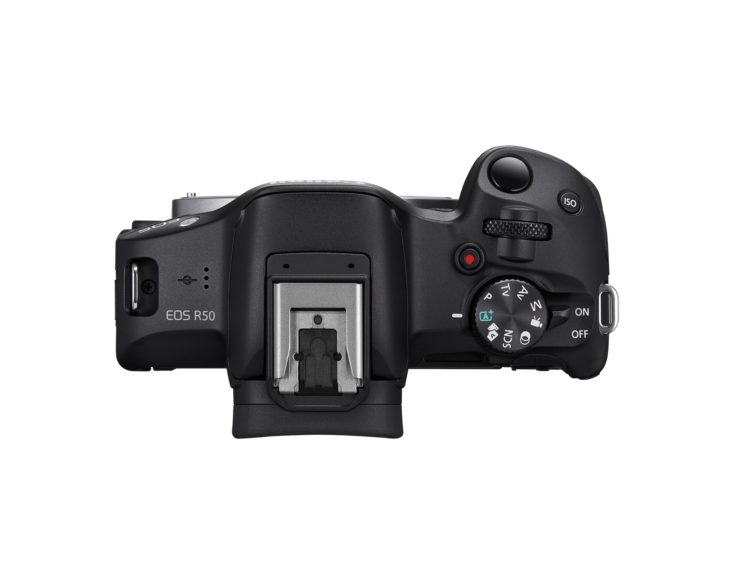
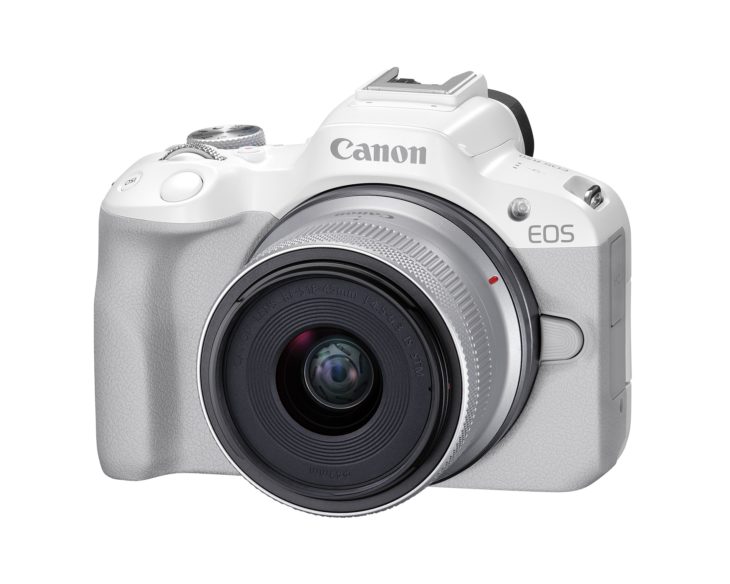
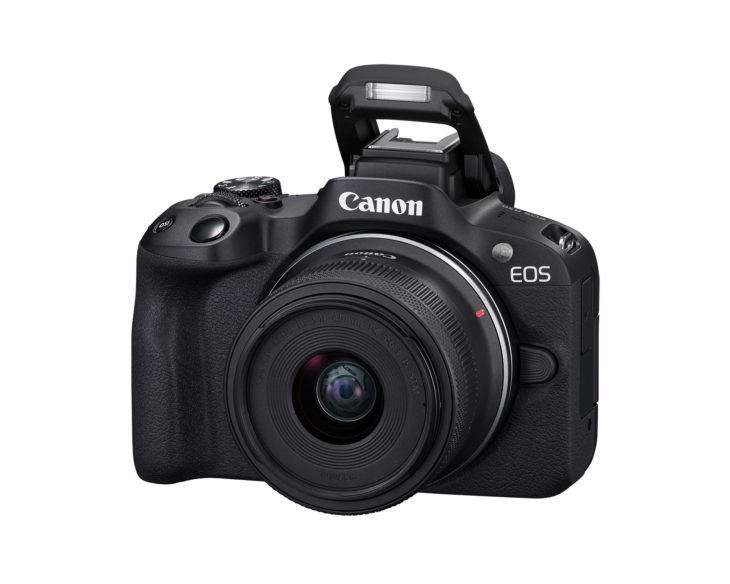
Compact, lightweight and ideal for those looking to step up their video quality, the EOS R50 provides an impressive movie-shooting experience thanks to the APS-C sensor, with 4K video, uncropped 4K capture (at all frame rates), and outstanding Dual Pixel CMOS AF technology. With the addition of whole area tracking, subject detection, and movie-prerecording, difficult photo and movie opportunities can be easier to capture with a 24.2-million-pixel, APS-C sized image sensor. In addition, the EOS R50 is equipped with an eye-level electronic viewfinder to help achieve shot steadiness and ease viewing in bright sunlight conditions. A great camera for those who are looking to lean into interchangeable lenses, the EOS R50 camera can capture travel adventures, family portraits, sports, wildlife and even help a small business with marketing imagery. For those who are budding content creators, the EOS R50 will be available later in 2023 as part of a Content Creator Kit – packaged with a microphone, lens and grip. Overall, the EOS R50 is truly a jack of all content creation trades.
“The first time I picked up the EOS R50, I noticed how light it was. When I saw the footage, I wondered how the quality can be so good when it’s this lightweight in my hand. My mind was blown!”Bianca Matisse Taylor –Content creator and blogger
EOS R8
The EOS R8 — affordable and functional — is a full-frame mirrorless camera aimed at the up-and-coming video or photo enthusiast. This camera comes with class-leading autofocus while still extremely capable for everyday and general photography use. Equipped with a 24.2-megapixel CMOS image sensor and DIGIC X image processor, the EOS R8 is optimal for full-frame RF lenses — allowing enhanced wide-angle field of views when compared to APS-C sensor cameras. Extremely lightweight and compact, the EOS R8 shoots up to 6-fps with 1st-curtain Electronic shutter, and up to 40-fps with full electronic. For users who’ve already explored interchangeable lens cameras but haven’t yet broken into mirrorless, the EOS R8 should be the camera that takes them over the threshold to capture events, weddings, still life, travel and pets.
“My work is a lot about movement and not missing a beat with the fast shutter on the EOS R8 is so important to me as an artist.” Jasper Soloff – Photographer and Director
Additional product specs include:
Video performance
Uncropped 4K video to 59.94p (29.97p with EOS R50) (with 6k oversampling)
Full-HD to 59.94 fps, and High Frame Rate to 119.8 fps (Full HD 180p with the EOS R8)
Dual Pixel CMOS AF, with subject detection for people, animals and vehicles
Up to 2 hours of continuous recording (one hour with EOS R50); no 30 min limit
Focus breathing correction
Enhanced usability for video correction
Vertical Video Metadata
Movie Self Timer
Audio Noise Reduction (only in EOS R8)
UVC/UAC Support, for USB livestreaming
Recording Emphasis
Aspect Markers
Connectivity
Easy wireless connection from camera to compatible smartphone
Camera Connect with USB connection to compatible smartphone
USB streaming direct to computer via Zoom™, Teams™, or Skype™
Convenient firmware updates via compatible smartphone
Cloud RAW processing
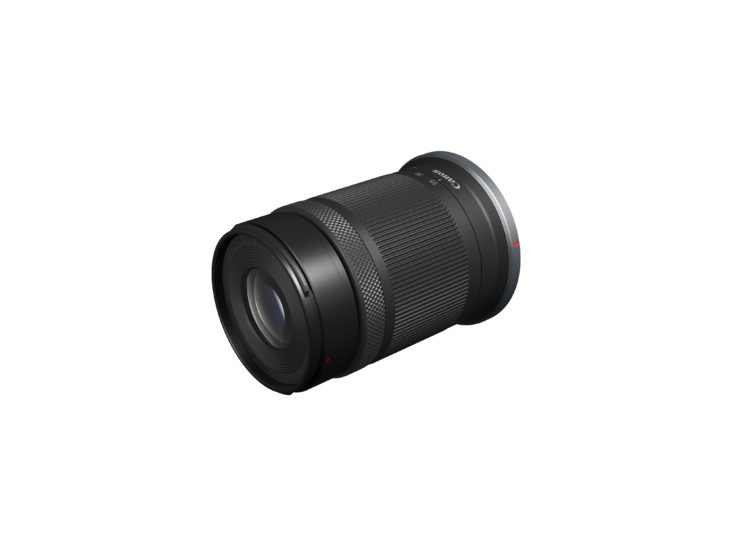
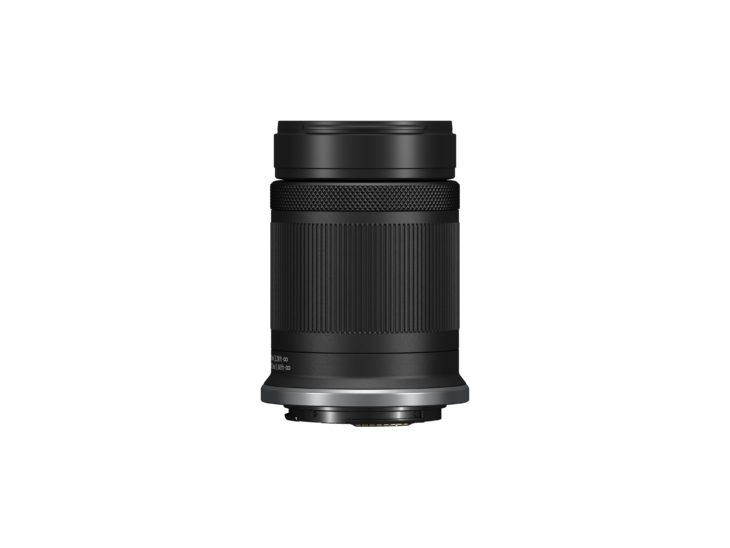
Alongside the camera bodies, Canon will release two new lenses. The RF-S lens line, optimized for the smaller APS-C sensor size, expands with the Canon RF-S55-210mm F5-7.1 IS STM lens. This is a telephoto zoom, giving coverage equivalent to an 88–336mm lens on a full-frame camera. The lens opens the door to telephoto photography and videography, with 4.5 stops optical image stabilization, and close-focusing that can fill the frame with a subject roughly 2×3 inches in size (at its 210mm zoom setting, and minimum focus distance). And it does all this in an incredibly lightweight and compact package.
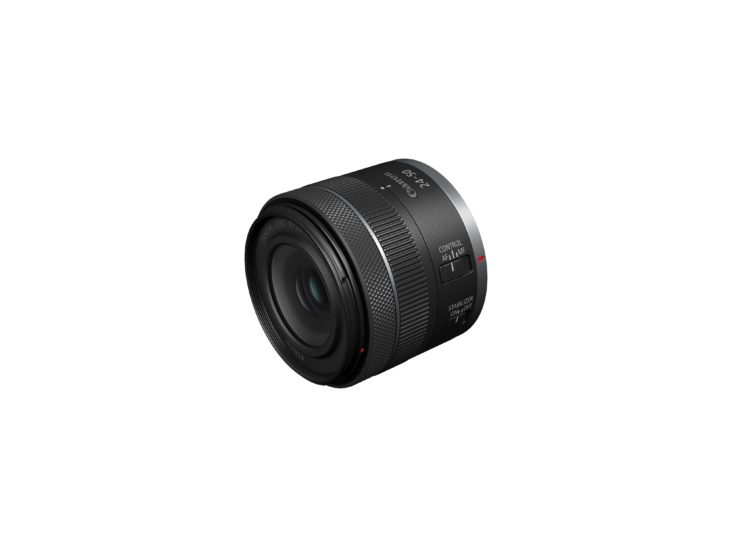
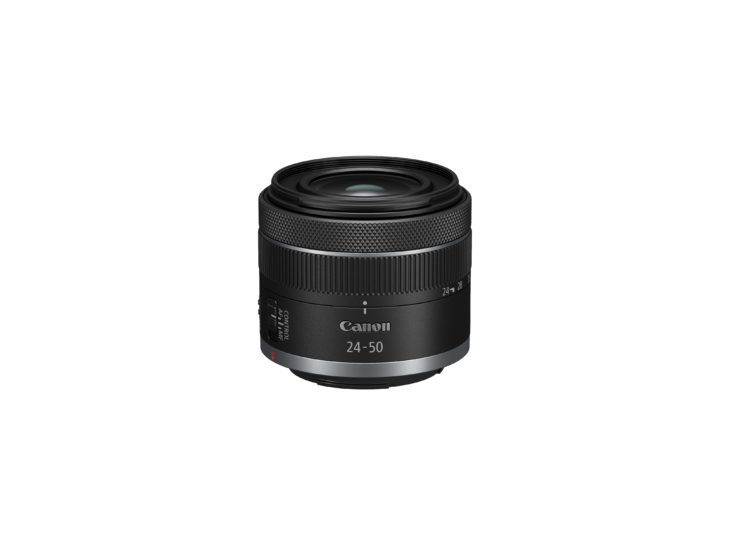
The Canon RF24-50mm F4.5-6.3 IS STM is a new, compact standard zoom lens for full-frame EOS R-series cameras. Ranging from true wide-angle to traditional “standard lens” coverage at 50mm, the lens is a travel friendly design with an extremely compact exterior. The RF24-50mm F4.5-6.3 IS STM lens is just over 2 inches long when fully retracted, and under 3.5 inches when extended — weighing less than half a pound. Optical Image Stabilization, with 4.5 stops of shake-correction, further enhances its appeal for video and still-image shooting. It’s also useable on an APS-C sensor Canon camera, where the lens’ effective coverage is equivalent to what a 38–80mm would deliver on a full-frame camera.
Price & Availability
The Canon EOS R8 camera body will be available for an estimated retail price of $1,499.00*. The Canon RF24-50mm F4.5-6.3 IS STM lens with the EOS R8 will have an estimated retail price of $1,699.00*. The Canon EOS R50 camera body will be available for an estimated retail price $679.99*. The EOS R50 with the RF-S18-45mm F4.5-6.3 IS STM lens will be available for an estimated retail price of $799.99*. The EOS R50 with the RF-S18-45mm F4.5-6.3 IS STM and RF-S55-210mm F5-7.1 IS STM lenses will be available for an estimated retail price of $1,029.00*. The RF24-50mm F4.5-6.3 IS STM lens will be available for an estimated retail price $299.99* while the RF-S55-210mm F5-7.1 IS STM lens will have an estimated retail price of $349.99*. All products are currently scheduled to be available in Spring 2023.
Back in August 2020 Canon was victim of a hacker attack on their networks. It was a ransomware attack and employee data was stolen by the criminals.
Now, as Bloomberg Law reports, Canon has agreed to settle all claims over the breach of employee data:
Canon USA Inc. would pay up to $7,500 for monetary losses and $300 for out-of-pocket expenses to each victim of an August 2020 data breach that compromised the personal information of employees and their beneficiaries, under a proposed deal filed in federal court.
Nine named plaintiffs alleged in a proposed class action that the breach was caused by Canon’s failure to encrypt their information or use other adequate measures to protect it. They also alleged the company failed to provide adequate notice to affected employees.
Information exposed in the breach included names, Social Security numbers, driver’s license numbers, government-issued identification …
The stolen data concerned all Canon employees who were working for the company from 2005 until the year of the attack.
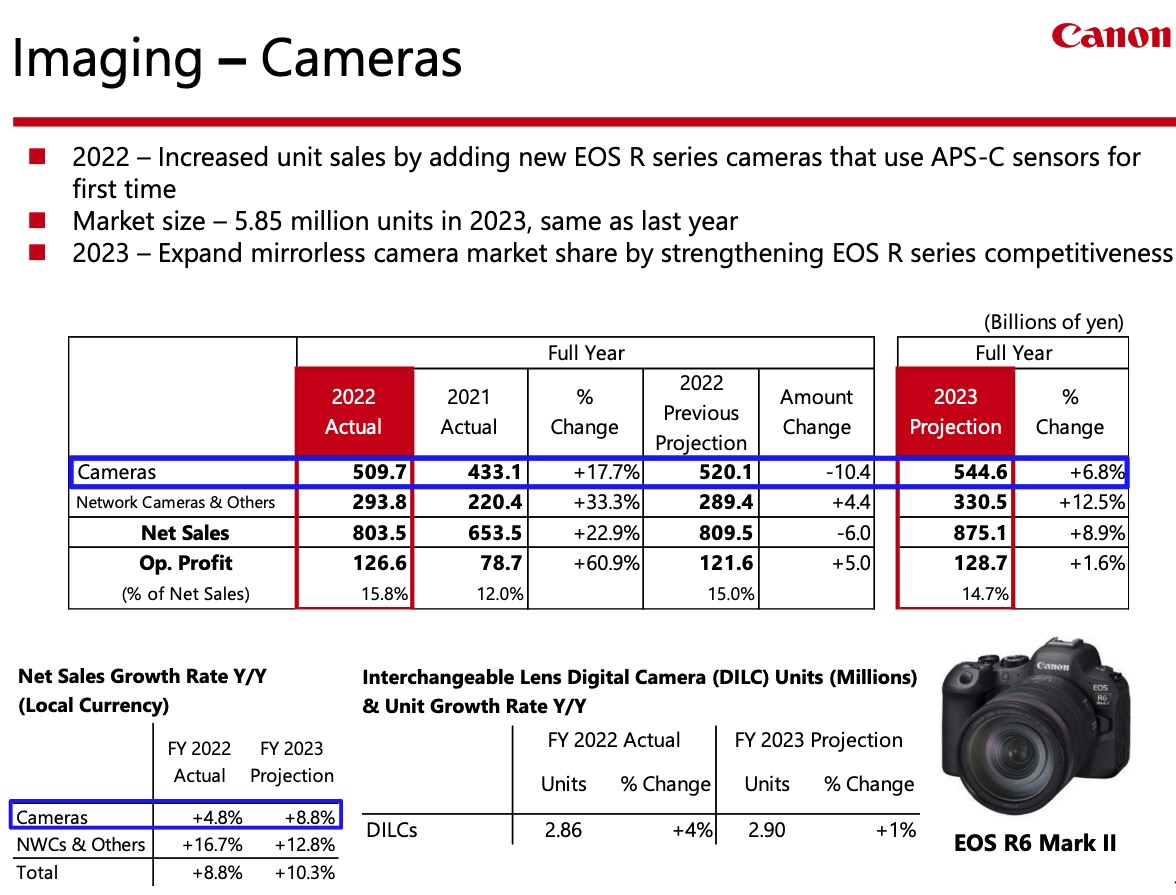
Canon posted their financial results for 2022. Despite haters, doom-predicting Sony-fanatics, chip supply issues, the ongoing war, and whatever, the company is doing fine.
As for the camera market, Canon says:
As for the camera market, despite concerns that consumer spending will decline, the demand of users, which mainly consists of professionals and enthusiasts – people that enjoy taking still images and videos – remained rock solid. Thanks to this, and the launch of new mirrorless cameras by manufacturers, the market grew to 5.85 million units in 2022, which is also the market size we expect in 2023.
In 2022, our sales were up by 120 thousand units to 2.86 million units, as we added to our lineup the EOS R7 and EOS R10, the first EOS R series cameras that use APS-C sensors. In December of 2022, we launched the EOS R6 Mark II, a full-frame mirrorless camera. This model offers high performance in both still-image and video capture, featuring, among others, enhanced autofocus functions, including subject detection, high-speed continuous shooting of up to approximately 40 frames per second, and high-quality 4K video recording.
In 2023, the new products that we launched last year will contribute to sales throughout the year. In addition to this, to facilitate our aim of 2.9 million unit sales this year, we plan to further strengthen our EOS R series lineup by, for example, introducing models that will broaden our base of interchangeable-lens camera users As for RF lenses, last year we added 7 new models to our lineup which now consists of 33 lenses. Going forward as well, we will continue to expand our RF lens lineup in order to meet the diverse shooting needs of our users.
It seems Canon is actively developing a new imaging sensor with wide dynamic range, according to news coming from Japan.
Newswitch (Nikkan Kogyo Shimbun) posted an interesting article about a new Canon imaging sensor with wide dynamic range and featuring a technology called “area-specific exposure”.
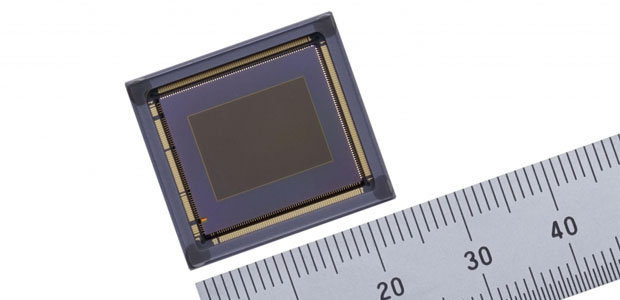
Canon has developed a new complementary metal-oxide-semiconductor (CMOS) sensor product (pictured) suitable for surveillance applications. The dynamic range, which is the range of brightness and darkness that can be expressed, is 148 decibels, which is the highest level in the industry for surveillance cameras, according to the company. High-quality images can be obtained even in environments with a large difference in brightness. Aiming for early commercialization.
The developed CMOS sensor is a layered type with two layers: pixels that convert external light into electrical signals and a central processing unit (CPU) that performs calculations. Compared to when pixels and CPUs are placed on the same substrate, more CPUs and dedicated circuits can be mounted. Processing power has increased, making it easier to shoot high-precision images even when the subject is moving.
When shooting in an environment with a large difference in brightness, normally multiple images with different exposure times are combined and processed to correct the difference in brightness. However, since images with different exposure times are combined, there was the problem that the moving subjects overlapped several times and appeared blurred.
The CMOS sensor developed by Canon this time divides the screen finely and adopts “exposure by area” that changes the exposure conditions for each area. Since no compositing process is required, there is no need to worry about blurring the subject. It can contribute to improving the performance of surveillance cameras by, for example, simultaneously recognizing the vehicle license plate and driver’s face at the entrance/exit of an underground parking lot.
The metal oxide semiconductor (CMOS) imaging sensor we are talking here is first and foremost for surveillance applications. Don’t expect it in your next Canon consumer mirrorless camera. The imaging sensor has two layers: pixels that convert external light into electrical signals and a central processing unit (CPU) that performs calculations. And here comes the trick used by Canon:
When shooting in an environment with a large difference in brightness, normally multiple images with different exposure times are combined and processed to correct the difference in brightness. However, since images with different exposure times are combined, there was the problem that the moving subjects overlapped several times and appeared blurred. The CMOS sensor developed by Canon this time divides the screen finely and adopts “exposure by area” that changes the exposure conditions for each area. Since no compositing process is required, there is no need to worry about blurring the subject.
Cool, kudos Canon.
And here is the press release:
Canon develops CMOS sensor for monitoring applications with industry-leading dynamic range, automatic exposure optimization function for each sensor area that improves accuracy for recognizing moving subjects
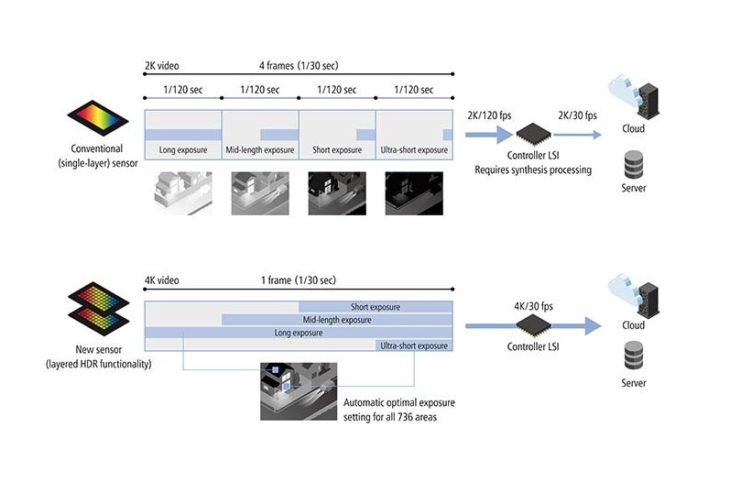
TOKYO, January 12, 2023—Canon Inc. announced today that the company has developed a 1.0-inch, back-illuminated stacked CMOS sensor for monitoring applications that achieves an effective pixel count of approximately 12.6 million pixels (4,152 x 3,024) and provides an industry-leading1 dynamic range of 148 decibels2 (dB). The new sensor divides the image into 736 areas and automatically determines the best exposure settings for each area. This eliminates the need for synthesizing images, which is often necessary when performing high-dynamic-range photography in environments with significant differences in brightness, thereby reducing the amount of data processed and improving the recognition accuracy of moving subjects.
With the increasingly widespread use of monitoring cameras in recent years, there has been a corresponding growth in demand for image sensors that can capture high-quality images in environments with significant differences in brightness, such as stadium entrances and nighttime roads. Canon has developed a new sensor for such applications, and will continue to pursue development of sensors for use in a variety of fields.
The new sensor realizes a dynamic range of 148 dB—the highest-level performance in the industry among image sensors for monitoring applications. It is capable of image capture at light levels ranging from approximately 0.1 lux to approximately 2,700,000 lux. The sensor’s performance holds the potential for use in such applications as recognizing both vehicle license plates and the driver’s face at underground parking entrances during daytime, as well as combining facial recognition and background monitoring at stadium entrances.
In order to produce a natural-looking image when capturing images in environments with both bright and dark areas, conventional high-dynamic-range image capture requires taking multiple separate photos under different exposure conditions and then synthesizing them into a single image. Because exposure times vary in length, this synthesis processing often results in a problem called “motion artifacts,” in which images of moving subjects are merged but do not overlap completely, resulting in a final image that is blurry. Canon’s new sensor divides the image into 736 distinct areas, each of which can automatically be set to the optimal exposure time based on brightness level. This prevents the occurrence of motion artifacts and makes possible facial recognition with greater accuracy even when scanning moving subjects. What’s more, image synthesizing is not required, thereby reducing the amount of data to be processed and enabling high-speed image capture at speeds of approximately 60 frames-per-second3 (fps) and a high pixel count of approximately 12.6 million pixels.
Video is comprised of a series of individual still images (single frames). However, if exposure conditions for each frame is not specified within the required time for that frame, it becomes difficult to track and capture images of subjects in environments with subject to significant changes in brightness, or in scenarios where the subject is moving at high speeds. Canon’s new image sensor is equipped with multiple CPUs and dedicated processing circuitry, enabling it to quickly and simultaneously specify exposure conditions for all 736 areas within the allotted time per frame. In addition, image capture conditions can be specified according to environment and use case. Thanks to these capabilities, the sensor is expected to serve a wide variety of purposes including fast and highly accurate subject detection on roads or in train stations, as well as stadium entrances and other areas where there are commonly significant changes in brightness levels.
Example use case for new sensor
Parking garage entrance, afternoon: With conventional cameras, vehicle’s license plate is not legible due to whiteout, while driver’s face is not visible due to crushed blacks. However, the new sensor enables recognition of both the license plate and driver’s face.
The new sensor realizes an industry-leading high dynamic range of 148 dB, enabling image capture in environments with brightness levels ranging from approx. 0.1 lux to approx. 2,700,000 lux. For reference, 0.1 lux is equivalent to the brightness of a full moon at night, while 500,000 lux is equivalent to filaments in lightbulbs and vehicle headlights.
Technology behind the sensor’s wide dynamic range
With conventional sensors, in order to produce a natural-looking image when capturing images in environments with both bright and dark areas, high-dynamic-range image capture requires taking multiple separate photos under different exposure conditions and then synthesizing them into a single image. (In the diagram below, four exposure types are utilized per single frame).
With Canon’s new sensor, optimal exposure conditions are automatically specified for each of the 736 areas, thus eliminating the need for image synthesis.
Technology behind per-area exposure
Portion in which subject moves is detected based on discrepancies between first image (one frame prior) and second image (two frames prior). ((1) Generate movement map).
In first image (one frame prior) brightness of subject is recognized for each area4 and luminance map is generated (2). After ensuring difference in brightness levels between adjacent areas are not excessive ((3) Reduce adjacent exposure discrepancy), exposure conditions are corrected based on information from movement map, and final exposure conditions are specified (4).
Final exposure conditions (4) are applied to images for corresponding frames.
This website or its third-party tools use cookies, which are necessary to its functioning and required to achieve the purposes illustrated in the cookie policy. If you want to know more or withdraw your consent to all or some of the cookies, please refer to the cookie policy. By closing this banner you agree to the use of cookies.