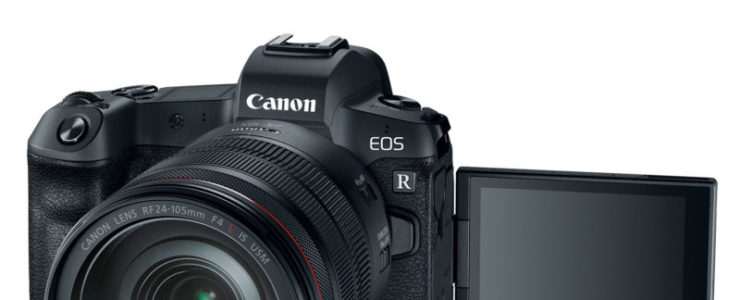
The Canon EOS R was announced one year ago. Let’s take a look back and see how it holds up a year later. How are the specs compared to Nikon and Sony? Does it hold up well or not? The video below by Jared Polin tries to shed some light.
Canon will soon (September 26, 2019) release a firmware update for the Canon EOS R which will significantly improve autofocus performance.
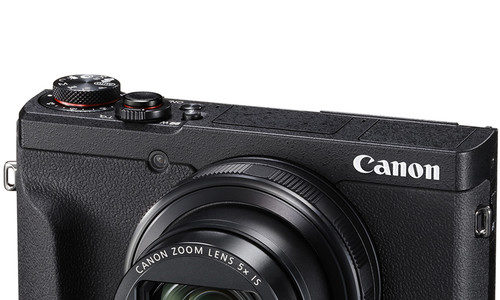
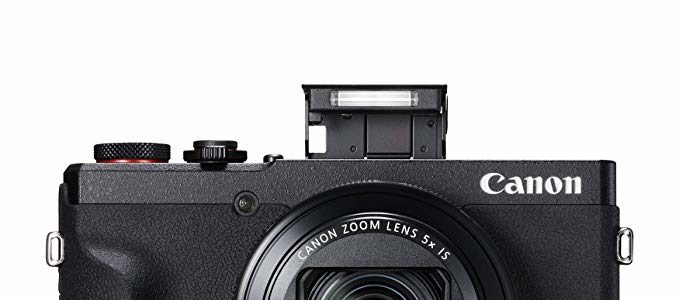
Notably, the G5 X II feels super responsive – this was a big weak point of its predecessor. But on the Mark II, here’s no shot-to-shot lag, it reacts to your inputs instantly, and even the 30fps Raw burst mode doesn’t slow the camera down too much. This responsiveness makes for a connected experience when you’re out and about, taking pictures.
And speaking of pictures, image quality is a strong point – JPEGs have pleasing color, but to get the most out of your shadow regions, we’d boost the Auto Lighting Optimizer to ‘high.’ The lens offers a fast aperture and a versatile zoom range, and is a good performer, if not outstanding, particularly at wider focal lengths. Raw capture is generally comparable to the competition, meaning it’s quite good, and in-camera Raw conversion lets you tweak your Raw files ‘on the go’ before Wi-Fi transferring them to your smartphone for social sharing.
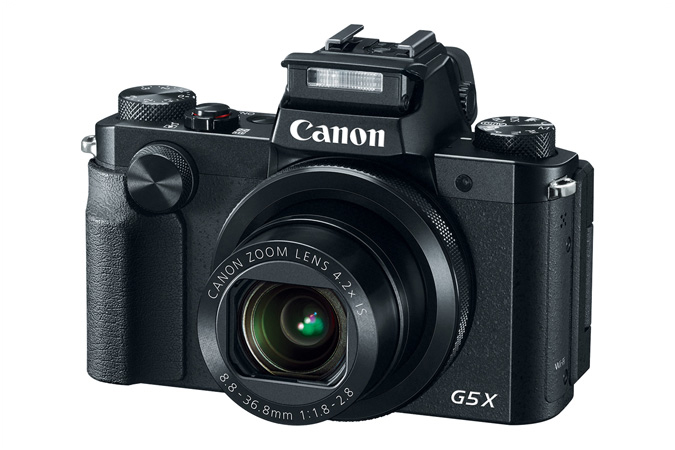
ePHOTOzine compared the new Canon PowerShot G5 X Mark II to its predecessor, the PowerShot G5 X.
From their verdict:
The Canon Powershot G5X Mark II offers a number of improvements, including high-speed continuous shooting (up to 30fps), 4K video recording, and updated white balance options, as well as an extended ISO range. There’s also a new design, that makes the camera lighter, and slightly more compact. However, if you don’t need 4K video recording, and want a flash hot-shoe, then the original G5X offers a fairly compelling package, particularly as it’s price is quite competitive.
If you need (or want) 4K video recording, then the G5 X Mark II is the one to go for out of these two cameras, and the additional zoom range of the new 5x optical zoom lens is welcome. The new 5x optical zoom lens certainly impresses, delivering sharp, detailed photos across the zoom range. If video is your primary aim, then the G7X Mark III, could be worth a look as it adds in a microphone socket.
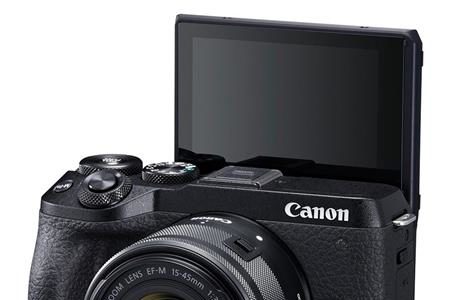
Canon’s newest compact cameras, the G5 X II and G7 X III, have a lot in common, but with some very important differences. [DPReview TV’s] Chris and Jordan do a side-by-side comparison to help you choose the one that’s right for you.
DPReview put sample pictures galleries for both cameras online:
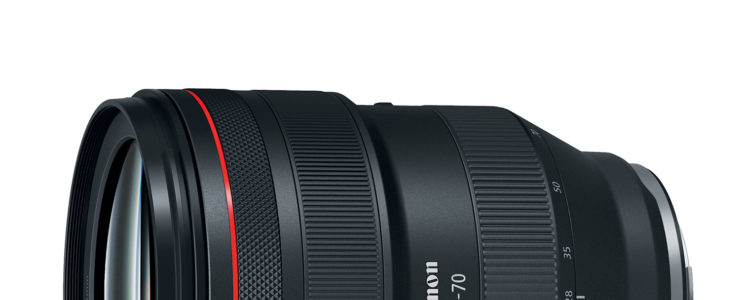
Patrick Seguin tested and compared the Canon RF 28-70mm f/2L lens for the Canon EOS R system and the Canon EF 24-70mm f/2.8L II lens (EF mount lens for Canon DSLR).
Well, once more we get a confirmation that the Canon RF 28-70mm f/2L is an optical masterpiece. The 10 minutes video below tells you everything about this awesome EOS R lens, and why it beats the the Canon EF 24-70mm f/2.8L II.
The next, short video by Canon explains what makes RF lenses so special.
This website or its third-party tools use cookies, which are necessary to its functioning and required to achieve the purposes illustrated in the cookie policy. If you want to know more or withdraw your consent to all or some of the cookies, please refer to the cookie policy. By closing this banner you agree to the use of cookies.