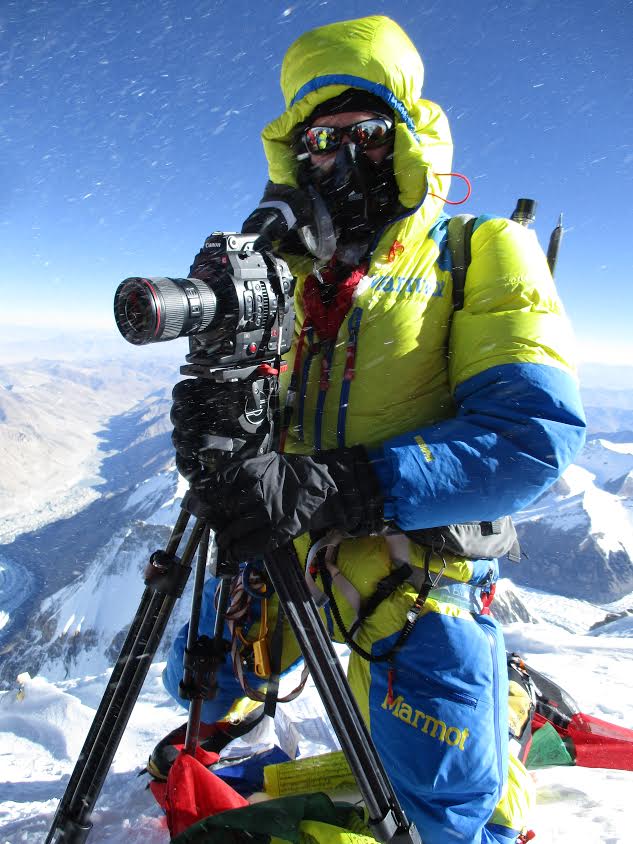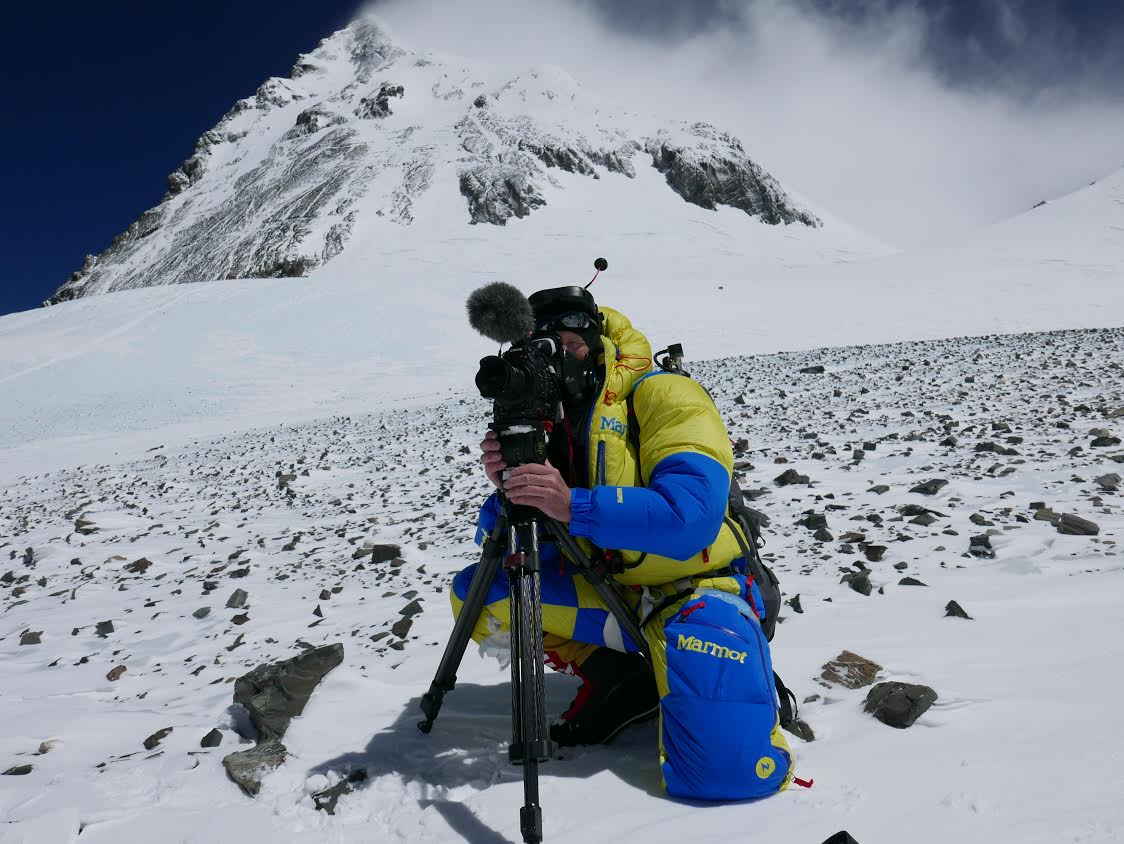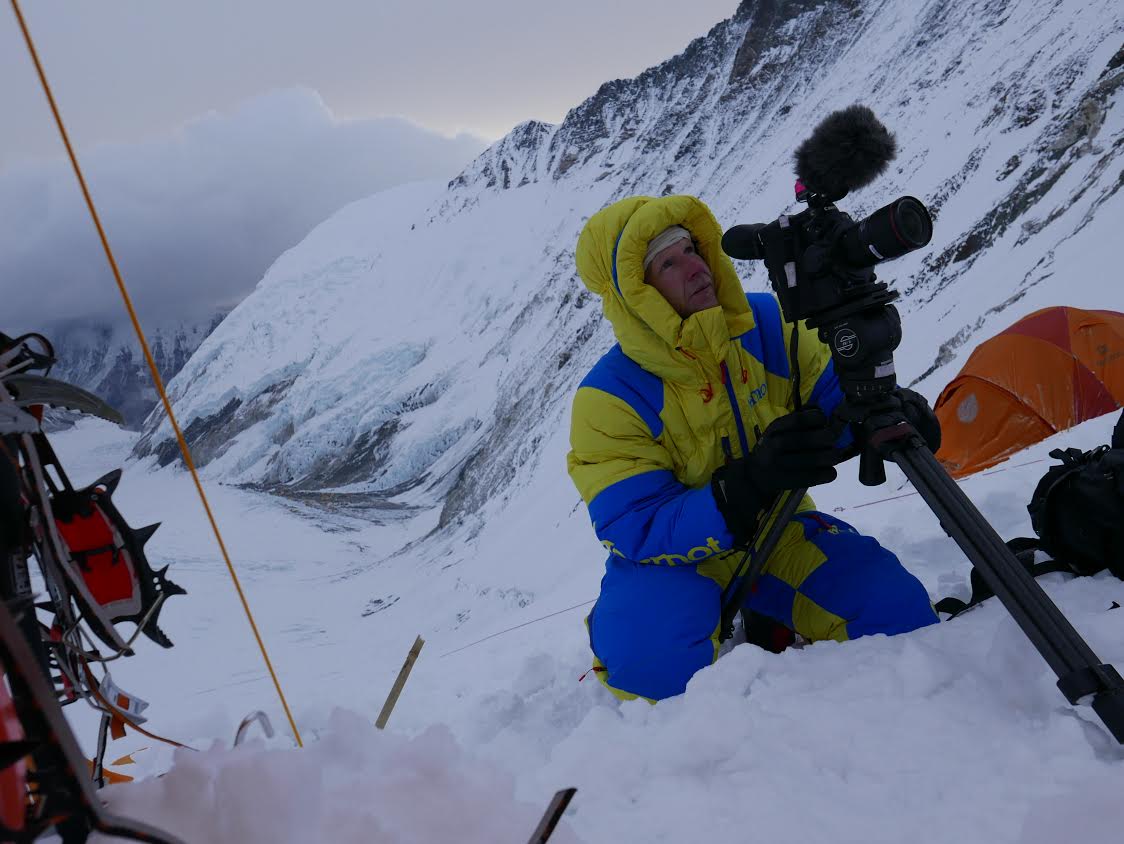
A Canon EOS C300 Mark II on the summit of Mount Everest

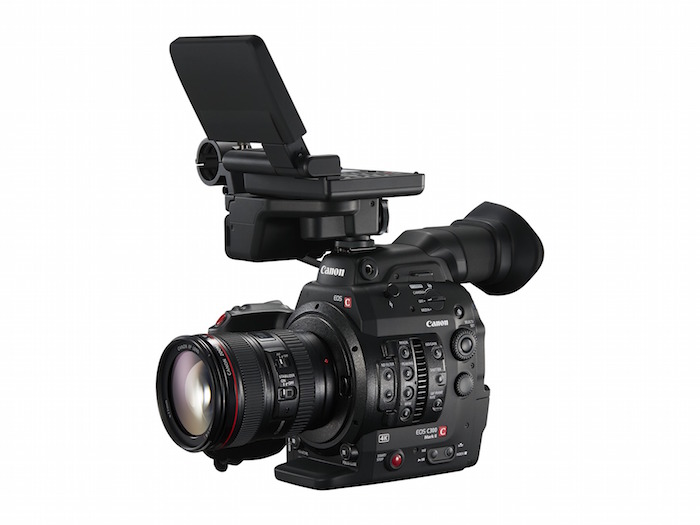
EOS C300 Mark II
Philip Flaming and a Canon EOS C300 Mark II on Mt. Everest

Thanks Daniel for the tip. All pictures © Furtenbach Adventures, and used with permission.

A Canon EOS C300 Mark II made it to the summit of the Everest. It happened on May 19, 2016, when an Austrian expedition reached the summit of the highest mountain on earth. The EOS C300 Mark II was used for what is going to be the first 4K production of Mt. Everest. The expedition was organised by Furtenbach Adventures.

There is a long interview with the guys who did it, mainly about the mountaineering-challenges, and it is in German. However, you can get a pretty decent machine translation here (at least you’ll grasp what is said). An excerpt:

Using the latest camera technology, the team led by Tyrolean expedition organiser Lukas Furtenbach, filmed all the way to the summit. It’s the first full 4K production from Mount Everest. Overall, they spent more than 1.5 hours at the top to create footage with various camera systems (including 360 ° VR cameras) for two projects of a German private television station and a cinema project.

EOS C300 Mark II
Shooting 4K on Mt. Everest

The Canon EOS C300 Mark II was sponsored by Canon Germany as part of a case study for the company. As Lukas Furtenbach told me via email, they were very happy with the EOS C300 Mark II and its performance, which all along the way to the summit never missed a hit. The EOS C300 Mark II was operated by German cameraman Philip Flaming. The two projects mentioned above are TV-documentaries. Hope there will soon be a “making of” of these productions.

EOS C300 Mark II
Shooting 4K on Mt. Everest

Furtenbach Adventures, the company that organised the ascension to Mt. Everest send me a brief press statement that I translated for you.

After no one was on the summit of Mount Everest for almost two years, we were one of the first expeditions reaching the summit of Mount Everest from Nepal. On 19/05/2016 at 6:15am there were 5 of 6 participants and a camera crew at the top. And they wrote film history.

After decades there was again an expedition of a Tyrolean [Austria, editors note] organizer with special features:

We were the first commercial expedition ever which has acclimatised  at home as cohesive team high in the mountains, six weeks before the start of the expedition. This gave us an almost twice as long acclimatization time compared to other teams and we were better prepared to do the summit, could climb faster, and head right back to the secure Camp 2 (usually after having done the summit, people descends only into the more exposed Camp 4). As successive events on Mt. Everest have shown in the following days, this was the key to a safe ascent and descent. There were six deaths and more than eighty people with severe frostbite. The time our expedition had to spent on spot was far below that of most other teams, thanks to our acclimatization efforts at home. For us this is the future of commercial high altitude mountaineering, as it increases security and chances of success.

We had connected two film projects. Using the latest camera technology we shot all the way to the top. It is the first full 4K production from Mount Everest. Overall, we spent more than 1.5 hours at the top, to use the various camera systems (including 360 ° VR cameras) for two projects of a German private TV station. Our expedition also hosted the mammoth 360 Project.

EOS C300 Mark II
Canon EOS C300 Mark II

Canon C300 Mark II (B&H Photo | Adorama) at a glance:

  • New Canon 8.85 Megapixel CMOS Sensor
  • Dual Canon DIGIC DV5 Image Processors
  • Canon XF-AVC H.264 Codec
  • Internal 4K/2K/Full HD Recording
  • Twin 3G-SDI Outputs for up to 30p 4K
  • Full Manual Control
  • 1.77 Megapixel Color OLED EVF With Adjustable 60o Tilt Angle
  • Uses All Canon CN-E Cinema Prime and Zoom Lenses
  • Uses All Canon EF and EF-S Photo Lenses (Including Specialty Tilt-Shift and Other Models)
  • Built-In Mono Microphone
  • Removable LCD Monitor and Control Panel with XLR Inputs
  • Removable Hand Grip
  • Improved Low-Angle Camera Handle Extension
  • Built-in Dual-Band Wi-Fi for Remote LiveView Display and Camera Control
[via Bergsteigen via Furtenbach Adventures]

Canon 15mm f/2.8 fisheye lens becomes a Hockey Puck, and gets smashed

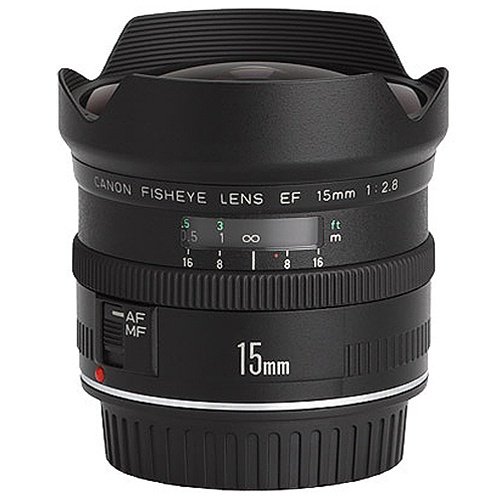
It happened during the Stanley Cup Finals between the Pittsburgh Penguins and the San Jose Sharks. It’s a Canon EF 15mm f/2.8 fisheye lens that dropped on the rink while the game was going on. A few short clips of the accident made it on Twitter.

Guess stuff like this gets filed under s**t happens.

Canon 15mm f/2.8 fisheye

[via PetaPixel]

Rokinon 12mm f/2.8 ED AS IF NCS UMC Fisheye Lens deal – $369 (reg. $499, B&H)

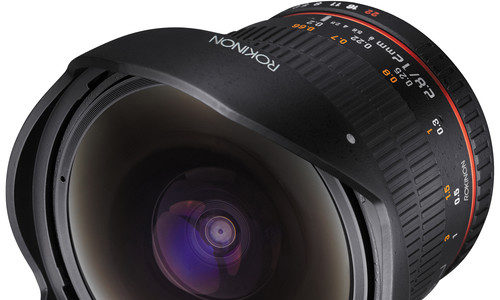
Rokinon 12mm f/2.8 ED AS IF NCS UMC

Rokinon 12mm f/2.8 ED AS IF NCS UMC Fisheye at a glance:

  • EF Mount/Full-Frame Format
  • Aperture Range: f/2.8 to f/22
  • Three Extra Low Dispersion Elements
  • Two Aspherical Elements
  • Nano Crystal and UMC Lens Coating
  • Manual Focus & Manual Aperture Lens
  • 180º Angle of View
  • Minimum Focus Distance: 7.9″
  • Included Petal-Shaped Lens Hood

Today’s B&H Photo’s Deal Zone features the Rokinon 12mm f/2.8 ED AS IF NCS UMC Fisheye Lens. It’s on sale at $369 instead of $499.

B&H Deal Zone deals are one day only.

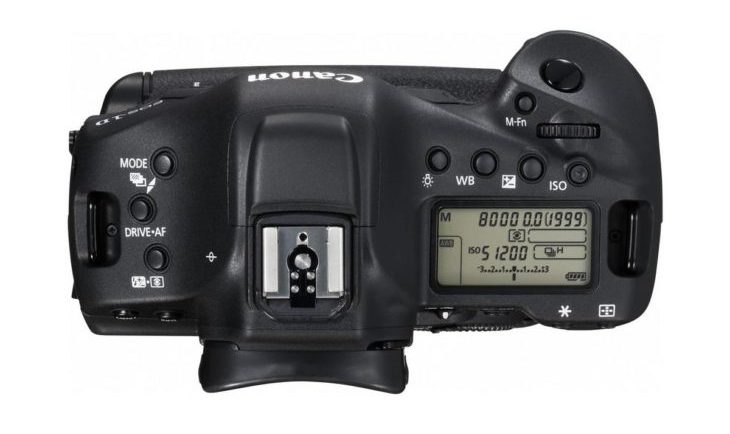
Marc Aspland on the EOS-1D X Mark II and shooting sports

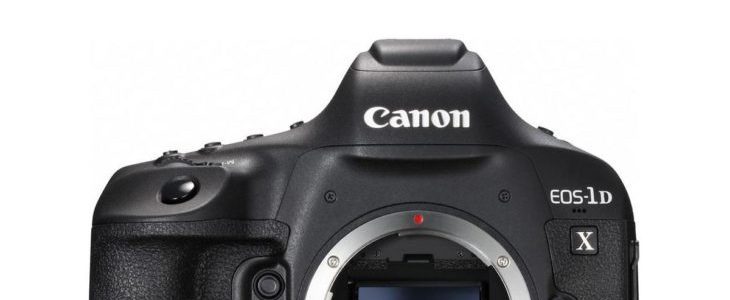
canon eos-1d x mark ii

Canon EOS-1D X Mark II: [shopcountry 37157]

EOS-1D X Mark II at a glance:

  • Fastest shooting EOS-1D, capable of up to 14 fps full-resolution RAW or JPEG, and up to 16 fps in Live View mode with new Dual DIGIC 6+ Image Processors.
  • Achieves a maximum burst rate of up to 170 RAWs in continuous shooting at up to 16 fps, and 4K movies using CFast cards in the new CFast 2.0 slot.
  • Experience less noise in higher ISO images via a new 20.2 Megapixel full-frame CMOS sensor, with an ISO range of 100 51200; expansion to ISO 409600.
  • Improved AF performance through 61-point, wide area AF system with 41 cross-type points, improved center point focusing sensitivity to -3 EV and compatibility down to f/8
  • Accurate subject tracking for stills and video with new EOS Intelligent Tracking and Recognition AF with 360,000-pixel metering sensor.
  • 4K video (4096 x 2160) up to 60 fps (59.94), with an 8.8-Megapixel still frame grab in camera. Full 1080p HD capture up to 120 fps for slow motion.
  • Dual Pixel CMOS AF & Movie Servo AF for high speed, high frame rate and continuous autofocus during video shooting.
  • View and control high quality stills and videos via the 3.2-inch touch panel LCD with 1.62 million dots.
  • Increased resolution and fine detail, with lens aberration correction and diffraction correction via new in-camera Digital Lens Optimizer technology.
  • Built-in GPS provides geotag information including auto time syncing with Universal Time Code via satellites.
  • The new optional Wireless File Transmitter WFT-E8A is compatible with IEEE 802.11ac/n/a/g/b, supporting both the 2.4 GHz and 5 GHz Wi-Fi bands.
  • Durable and rugged magnesium alloy body with dust- and-weather resistance for demanding shooting situations.

Canon Professional Network posted a technical article about Marc Aspland, Chief Sports Photographer at The Times newspaper in London, UK, and how he uses the new Canon EOS-1D X Mark II. Aspland was testing (and working with) the Canon EOS-1D X Mark II since early 2016. Quoting from the interview:

Having an EOS-1D X Mark II is the only major change in Marc Aspland’s kitbag this year as he currently uses: “…all of the same EF lenses that I used with the 1D X – ranging from my 15mm f/2.8 Fisheye all the way through to the 70-200mm f/2.8L and the 200-400mm f/4L IS USM EXTENDER 1.4x. In fact, at the [English] FA Cup Final I used a 2x Extender on it so I had an 800mm [focal length]. So, it’s anything from 15mm all the way up to 800mm, which is probably the stock choice of any sports photographer.”

Marc has been a lifelong user of Canon cameras but his style of sports photography is usually more about capturing the essence of an event, often in a creative way, rather than the key single ‘action moment’. He explains: “I don’t need to be constantly pressing that ‘send’ button on the back of my camera to send everything – as the agency guys might do because their market is so vast. I know what my sports editor is after and I know what players the writers in the press tribune are specifically writing about – a manager or a player – so I can be a great deal more selective about the pictures I send. I don’t need to plug my camera into the ethernet… obviously I can but it’s not a difference in speed to me – it’s a quality rather than quantity issue with my photography.”

Read the article at CPN…

eos-1d x mark ii

Canon EOS-1D X Mark II: [shopcountry 37157]

This is how a $11,000 Canon EF 200-400mm F4L IS 1.4x lens looks after being disassembled

EF 200-400mm F4L IS

Have you ever wondered what’s inside those big, white and expensive Canon “L” super-zoom lenses? Well, then I may have the video for you.

Canon Imaging Plaza posted a “deep inside” video where you can watch the [shoplink 34159]EF 200-400mm f4 L IS 1.4x[/shoplink] lens getting torn apart, and all the pieces arranged neatly one beside the other. Impressive.

Made up of hundreds of precise mechanical and optical parts, the EF 200-400mm F4L IS USM Extender 1.4x is a super telephoto lens that opened up new possibilities for professionals on the front line of sports, nature and news photography. Canon unveils the precise inner construction of this L lens that has not been visualized before. This video was filmed using stop motion animation method.

The highly regarded Canon EF 200-400mm F4L IS 1.4x is yours for $11,000:
[shopcountry 34159]

Canon EF 200-400mm F4L IS 1.4x at a glance:

  • High performance L-series super-telephoto zoom with built-in 1.4x extender (280-560mm, f/5.6) makes it ideal for sports and wildlife photography
  • One fluorite and four UD lens elements provide excellent correction of chromatic aberration throughout the entire zoom range, delivering high-quality images with high resolution and contrast
  • Inner focusing, ring USM, a high-speed CPU and optimized AF algorithms for fast and accurate autofocusing
  • Optical Image Stabilizer provides up to four shutter speed stops of correction.
  • Three image stabilization modes (standard, panning, and during exposure only) provide excellent results for a wide range of shooting situations

Canon EF 200-400mm F4L IS 1.4x

[via PetaPixel]