Canon EOS M6 video serie highlights camera features
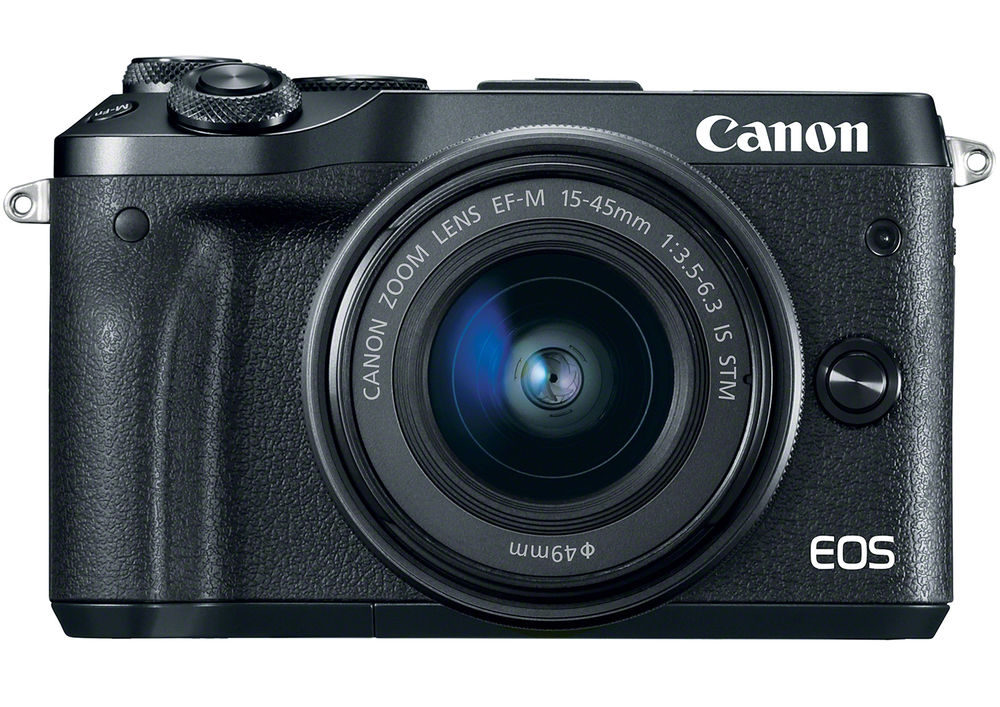
EOS M6Canon EOS M6:  [shopcountry 43815]

Canon EOS M6 at a glance:

  • 24.2MP APS-C CMOS Sensor
  • DIGIC 7 Image Processor
  • 3.0″ 1.04m-Dot Tilting Touchscreen LCD
  • Full HD 1080p Video Recording at 60 fps
  • Built-In Wi-Fi with NFC, Bluetooth
  • Dual Pixel CMOS AF
  • Up to 9 fps Shooting and ISO 25600
  • Combination 5-Axis Image Stabilization

Canon USA posted a series of short videos to highlight the features of the company’s latest mirrorless camera, the [shoplink 43815]EOS M6[/shoplink].

The Canon EOS M6 is official and can pre-ordered, shipping starts 3/31.

Canon also released the Canon EVC-DC2 Electronic Viewfinder for EOS M6/EOS M3/PowerShot G1 X Mark II/PowerShot G3 X – $209.95 
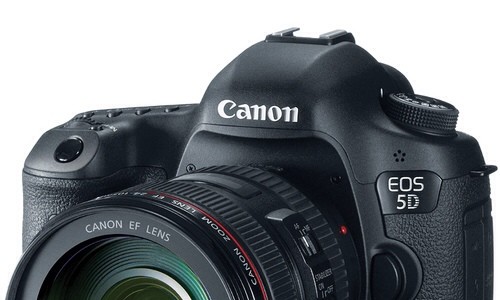
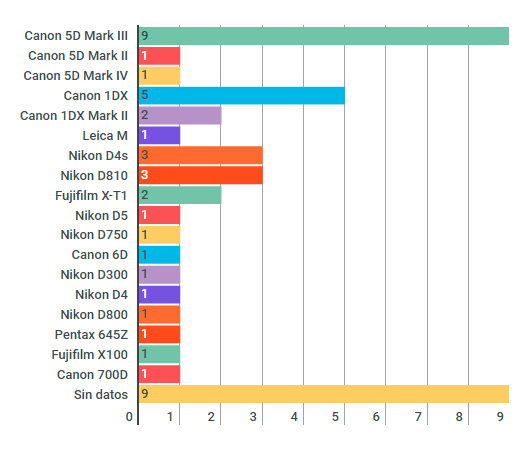
Canon EOS 5D Mark III is the most used camera among winning photojournalists

canon eos 5d mark iii

Canon EOS 5D Mark III: [shopcountry 2431]

At a glance:

  • 22.3MP Full-Frame CMOS Sensor
  • DIGIC 5+ Image Processor
  • 3.2″ 1.04m-Dot ClearView II LCD Monitor
  • Full HD 1080p Video Recording at 30 fps
  • 61-Point High Density Reticular AF
  • Native ISO 25600, Extended to ISO 102400
  • 6 fps Shooting in RAW+JPEG
  • 63-Zone Dual Layer Metering Sensor
  • 14-Bit RAW Files and S-RAW Format
  • Magnesium Alloy Body, SD/CF Card Slots

You’re probably heard about the World Press 2017 Photo Contest. The contest saw 80,408 images made by 5,034 photographers from 125 different countries.

And guess what? The Canon EOS 5D Mark III ([shoplink 2431]click here[/shoplink]) is the most used camera among those photojournalists who won a price. The data was broke down by Spanish site Photolari. They also broke down which camera brands where used most. 55.5% of the photographers used a Canon camera, 30.55% a Nikon, 8.3% a Fuji, the rest is Pentax and Leica. Sony is not among the bunch, no one cares to use it for professional assignments (just kidding).

The used cameras are shown below.

Cameras used at World Press Photo 2017. Image © photolari.com

My guess is the Canon EOS 5D Mark III will remain a bestseller for long time, despite the Canon [shoplink 40051]EOS 5D Mark IV[/shoplink] has been announced and is available. The EOS 5D Mark III is just a great DSLRs, and that’s not going to change soon.

To see all winning photos from all categories please click here, or jump directly to the gallery.

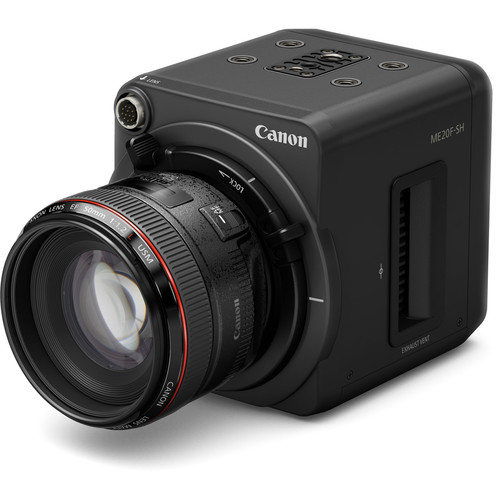
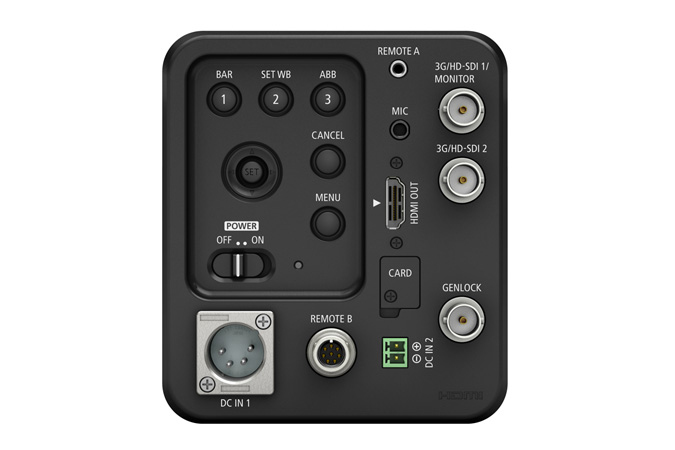
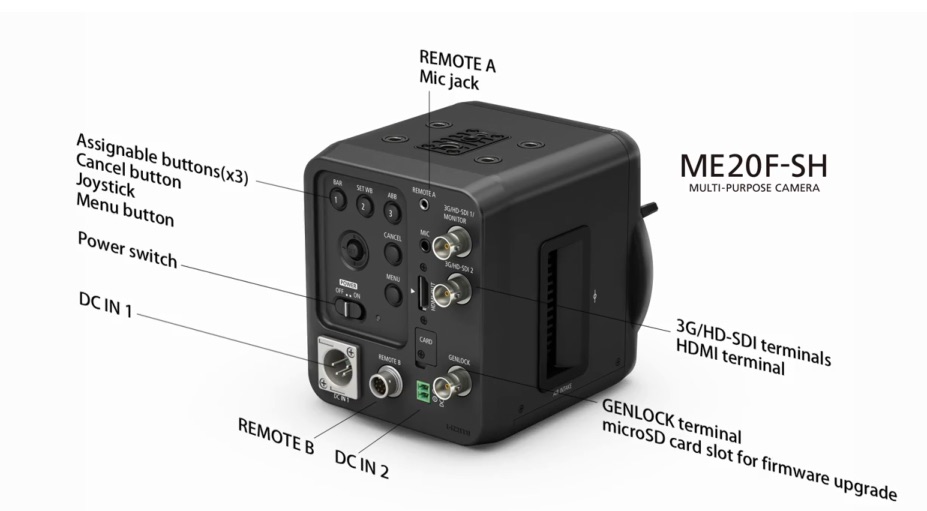
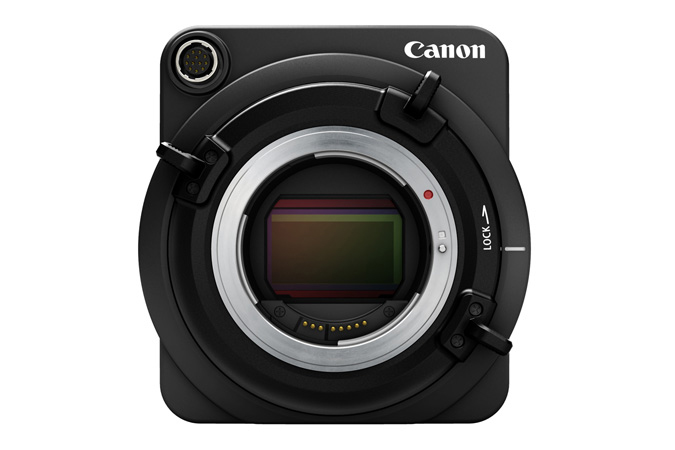
Canon promotes CMOS sensor technology touting exciting prospects (Canon ME20F-SH)

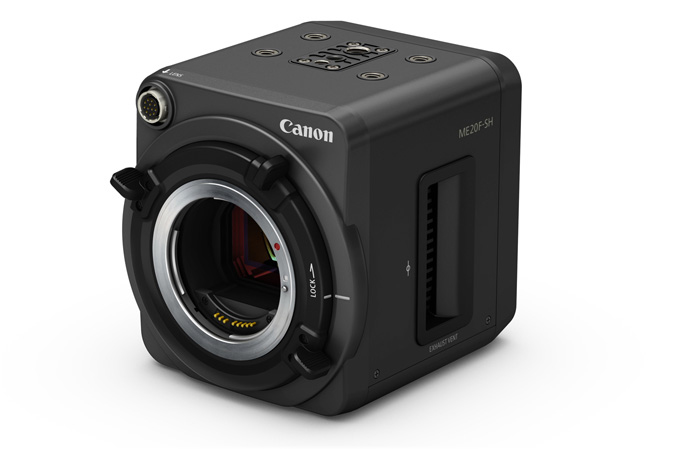
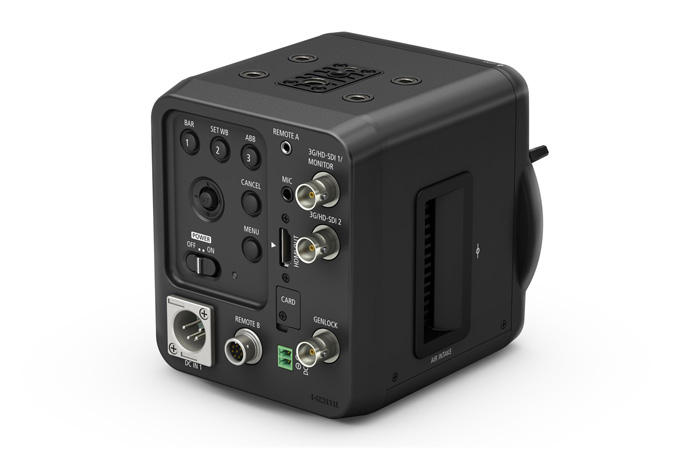
Canon ME20F-SH

Canon posted a rather theatrical (at least at the beginning) video to underline the low light features of the company’s CMOS sensors.

A moonbow is a natural phenomenon that can only be seen when the appropriate lunar brightness, angle of elevation and levels of moisture in the air align. They are so rare that in Hawaii it is said they bring happiness to those who see them. Recently, Canon succeeded in capturing video of a moonbow, which would prove difficult to see with the naked eye, using an ultra-high-sensitivity CMOS sensor. Additionally, using a 250 million pixel ultra-high-pixel-count CMOS sensor, Canon succeeded in capturing* video in which the lettering on the side of a plane flying approximately 18 km away could be clearly read. “Exciting Prospects for CMOS Sensors,” a video introducing these technologies, is now available to view on the Canon Video Square.

The video is here.

This is about the pioneering technology featured in the Canon ME20F-SH (images below), a commercially available multi-purpose camera that goes up to ISO 4M; it’s yours if you have $20,000 to spend.

Dual Pixel AF has become a Canon standard, here’s how it works

dual pixel af panasonic dfd

It’s safe to assume that Dual Pixel AF (DPAF) has now become Canon’s standard on-sensor auto-focusing technology. Since it made it into a Rebel, it will be featured on almost any future Canon DSLR and MILC (and who knows…maybe also in some high-end PowerShots).

Dual Pixel AF debuted in July 2013 (press release), on the still noteworthy [shoplink 14246]Canon EOS 70D[/shoplink]. It took Canon a long time to feature it on other cameras, and even longer to put it into a mirrorless camera. The [shoplink 40697]EOS M5[/shoplink] and [shoplink 43815]EOS M6[/shoplink] are the first Canon MILCs to feature it. And hell if it makes a difference on a mirrorless system. If only Canon had used it before on their mirrorless offering.

Click here to open the rest of the article

Canon Rebel T7i (EOS 800D) sample photos (Canon official)

Canon Rebel T7i (EOS 800D)

At a glance:

  • 24.2MP APS-C CMOS Sensor
  • DIGIC 7 Image Processor
  • 3.0″ 1.04m-Dot Vari-Angle Touchscreen
  • Full HD 1080p Video Recording at 60 fps
  • 45-Point All Cross-Type Phase-Detect AF
  • Dual Pixel CMOS AF
  • Up to 6 fps Shooting and ISO 51200
  • Built-In Wi-Fi with NFC, Bluetooth
  • HDR Movie and Time-Lapse Movie
  • Movie Electronic IS, Feature Assistant

Canon Japan posted a set of four sample photos shot with the new Canon Rebel T7i (EOS 800D in EU).

Canon Rebel T7i (EOS 800D) pre-order links, shipping starts 3/31:

Pre-order links for the rest of the world: [shopcountry 43813]

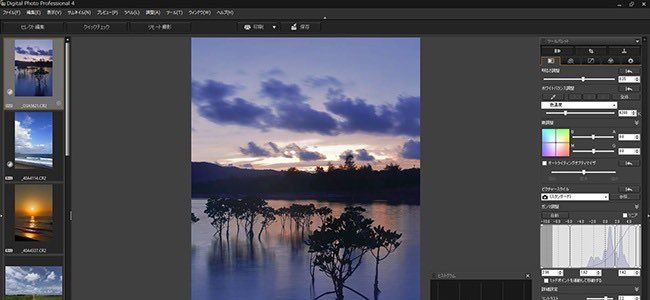
Digital Photo Professional Video Tutorials by Canon Professional Network

Digital Photo Professional video tutorials

The Canon Professional Network started a Digital Photo Professional video tutorials series. There is one new video tutorial coming each week.

Welcome to the Digital Photo Professional video tutorial section! CPN writer and software expert George Cairns unpacks Canon’s popular workflow software and explains key components with video demonstrations on how it can make a difference to your RAW workflow.

We will be publishing one video per week over the next 11 weeks, looking at particular elements of the software, with each video accompanied by a pdf mini guide and sample imagery used in the tutorial. Collect all 11 guides to build up the ultimate DPP library!

The first Digital Photo Professional video tutorial is “Get organised”. If you prefer you can get the tutorial by reading the PDF file, or just head over to the Digital Photo Professional video tutorials page (click here).