How AI Technology is Changing Photography and How Canon Cameras are Incorporating AI
I thought I could write a short post about artificial intelligence and what it means for photography. Nowadays everyone is talking about AI technology, often mystifying it. Here are my 2 cents, with an eye on Canon cameras, obviously ;-)
Introduction
Artificial intelligence (AI) is changing the world of photography in many ways. From the emergence of new text-based diffusion models that allow anyone to create an image by typing a description, to the launch of more powerful AI image generators like DALL-E 2, the development of open-source tools like Stable Diffusion, and the experimentation of photographers with AI-generated creations, AI is transforming the way we think about photography.
Big players like Google and Microsoft are also developing more powerful AI tools. However, ethical and legal questions remain, and AI-generated images could start to replace photographs in specific areas like lifestyle stock imagery.
Canon cameras and AI
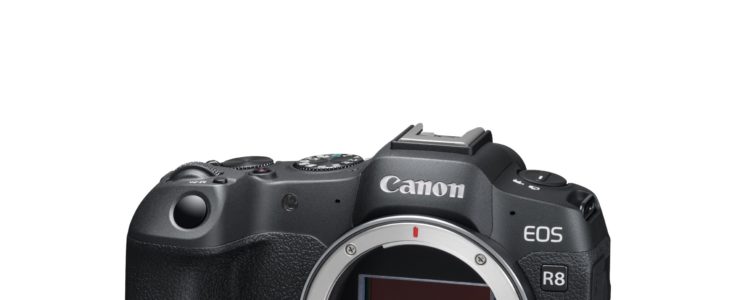
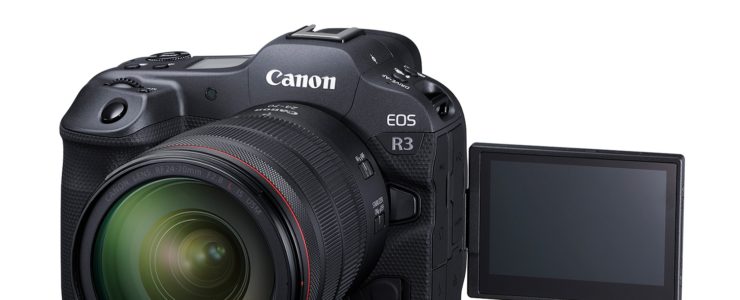
Canon cameras are incorporating AI technology. For example, the Canon EOS R3 features an AI-based autofocus system that can track subjects with incredible accuracy. The camera also has an AI-based image processor that can fix most major digital photo issues, such as distortion, vignetting, and chromatic aberration. AI is changing photography and Canon cameras are at the forefront of this transformation. As AI technology continues to evolve, we can expect to see even more exciting developments in the world of photography.
Canon’s Deep Learning AF
I decided to give this topic the most space, since it’s foundational to Canon’s approach to AI for auto-focus. To learn more about Deep Learning you might start here.
Canon’s Deep Learning AF is just one example of how AI is changing the photography industry. Deep Learning AF can improve the accuracy and speed of autofocus, which can help photographers capture better images. The technology can also help cameras focus on subjects more quickly and accurately, even in low light conditions. The algorithm was trained using Canon’s image database of sports photography and pictures of the company’s ambassadors who shoot sports. This has resulted in a highly accurate autofocus system that can track subjects even when they are moving quickly.
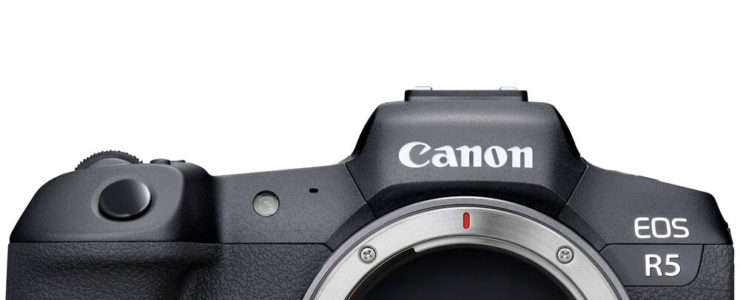
Deep Learning AF uses machine learning algorithms to analyze images and predict where the camera should focus. The algorithms are trained on large datasets of images to improve their accuracy over time. The technology can also learn from user feedback to improve its performance. Canon has integrated Deep Learning AF into several of its cameras, including the EOS-1D X Mark III and the EOS R5. The technology has enabled features such as Eye Detection AF and Head Detection AF, which can help photographers capture sharp images of people.
Canon plans to continue developing Deep Learning AF and integrating it into future products. By using machine learning algorithms to analyze images and predict where the camera should focus, the technology can help photographers capture better images. As Canon continues to develop and integrate Deep Learning AF into its products, we can expect to see even more advanced autofocus capabilities in the future.
Image Enhancement
AI is also being used to enhance the quality of photographs. By leveraging deep learning algorithms and neural networks, AI can improve various aspects of an image, even on the camera itself, including resolution, color balance, noise reduction, and more. Some of the key ways AI assists in image enhancement are:
- Super-resolution: AI algorithms can upscale low-resolution images by reconstructing high-frequency details and textures. This process, known as super-resolution, generates a higher-resolution image without sacrificing quality.
- Noise reduction: AI can effectively reduce image noise caused by low-light conditions or high ISO settings. By analyzing and differentiating between noise patterns and image details, AI can suppress noise while preserving essential information.
- High dynamic range (HDR): AI can help merge multiple exposures of the same scene into a single image with an extended dynamic range, preserving details in both the shadows and highlights. This creates a more balanced image with increased details and richer colors.
- Color correction and white balance: AI algorithms can analyze an image and make automatic adjustments to color temperature, saturation, and contrast, resulting in more accurate colors and improved overall image quality.
- Object and scene recognition: AI can identify and recognize objects, scenes, and even people within an image, enabling cameras to automatically adjust settings and apply appropriate image enhancements based on the subject matter.
- Autofocus and stabilization: AI can assist with faster and more accurate autofocus (see above), as well as image stabilization, by predicting subject motion and compensating for camera shake in real-time.
Conclusion
AI is changing the photography industry in many different ways, and it’s just the beginning. The best has yet to come. From improving autofocus systems to enhancing the quality of photographs and automating the editing process, AI is making it easier and more efficient to take great photographs. As AI continues to evolve, we can expect to see even more exciting developments in the world of photography. Stay tuned.