Canon Engineers Explain Why They Made The RF 800mm & 600mm Lenses (inspired by 1960’s 1000mm f/11)

In an interview, Canon engineers tell how it came Canon made the RF 800mm f/11 and RF 600mm f/11 lenses. And what inspired them.

In an interview with DC Watch, Canon engineers tell the reasons and challenges in designing the RF 800mm f/11 and RF 600mm f/11 lenses. It seems, a boyhood experience of one of the engineers was one of the reasons (machine translated):

Iezuka: I’m sorry about my boyhood story. At that time, I wanted to take a picture of a wild bird, Little Egret, but I couldn’t buy a super-telephoto lens because it was too expensive. I tried to make a telephoto lens with a close-up lens with a focal length of 400 mm, but it didn’t look good, and I wondered why it didn’t look so good.

I knew that there were many people who gave up what they wanted to shoot and the expressions they wanted to shoot because they couldn’t buy a super-telephoto lens and couldn’t carry it because it was big and heavy.

Canon already made a similar lens in 1960, the R 1000mm f/11:

Looking back, Canon’s first SLR camera system, the R mount (1959-), also had a “slender” super-telephoto lens like the 600mm / 800mm F11. The optical system is as simple as a telescope, the focusing is bellows, and the weight is as light as 2 kg.

The Canon R 1000 f/11

Why f/11?

Iezuka: Since the EOS R system can measure distances up to the maximum aperture of F22, I thought that the F value of the lens alone would be F11, considering the installation of a 2x extender. With F8, the lens becomes thicker, and with F16, it exceeds F22 when the 2x extender is attached. Around this time, the idea of ​​”Why don’t you eliminate the aperture unit for F11?”

I understood that there is a need to reduce the shutter speed further from F11 when considering panning at super telephoto, but control of the depth of field is less important at super telephoto, and it is low. The aperture unit was not installed because it leads to cost reduction and weight reduction.

Be sure to read the whole interview at DC Watch. More Canon RF 800mm and RF 600mm coverage is listed here.

Canon RF 600mm f/11 [shoplist 62748]

Canon RF 800mm f/11 [shoplist 62749]

Canon Explorers of Light Program Gets Five New Photographers

explorers of light

Canon’s Explorers of Light Program saw the addition of five new photographers: Lara Jade, Lynsey Weatherspoon, Kahran & Regis Bethencourt (CreativeSoul), and Atiba Jefferson.

Canon press release:

Five New Photographers Added to Famed Canon Explorers of Light Program

MELVILLE, NY, October 1, 2020 – Canon U.S.A., Inc., a leader in digital imaging solutions, today announced the addition of five photographers to its famed Explorers of Light (EOL) program. Lara Jade, Lynsey Weatherspoon, Kahran & Regis Bethencourt (CreativeSoul), and Atiba Jefferson will join 33 other photographers in the program. Each photographer brings their own refreshing blend of art and creativity by capturing life and culture from perspectives that are uniquely their own.

For more than 25 years, members of Canon’s EOL program have shared their knowledge and vision with the photographic community and consumers alike. Whether it is photojournalism, fashion, outdoor and nature, sports, or portraiture, their collective visions have given us unique perspectives of the world and helped hone the skills of professional photographers and enthusiasts through a series of educational initiatives within the program. As photography has evolved over time, so too has Canon’s EOL program, embracing new talent with new perspectives while honoring the masters before them with the exclusive title of Canon Legend.

“We are pleased and proud to welcome these talented photographers to Canon’s iconic Explorers of Light program,” said Tatsuro “Tony” Kano, executive vice president and general manager of the Canon U.S.A., Inc., Imaging Technologies & Communications Group. “The Canon EOL program is a platform for some of the most successful and influential photographers to showcase their vision, knowledge, and know-how through a variety of educational initiatives. As new generations of creatives use photography to explore new perspectives on the world, Canon will continue to provide the support needed to tell their stories.”

Click here to open the rest of the article

Meyer Optik Görlitz Released The Trioplan 50mm f/2.8 II Lens (Canon EF mount, and others)

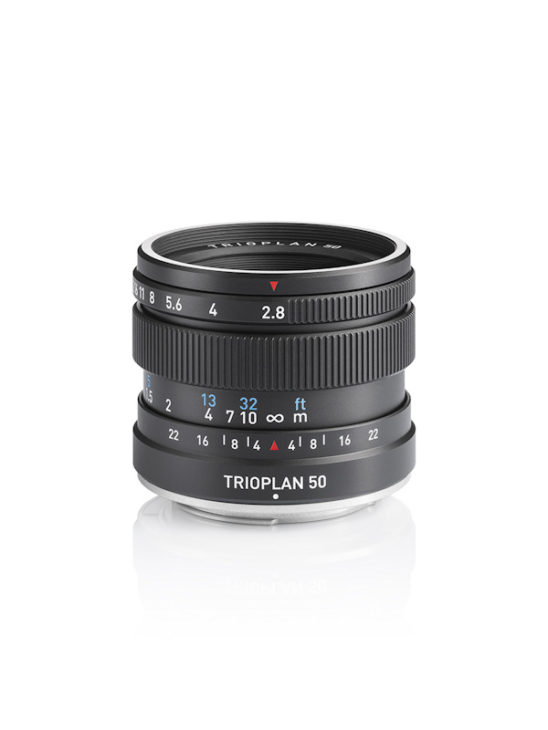
Trioplan 50 f2.8

Meyer Optik Görlitz released a new lens, the Trioplan 50mm f/2.8 II, an entirely new designed lens. Meyer Optik Görlitz had some troubled times and is now coming back.

The Trioplan 50mm f/2 II. sells at €876.34 (approx. $1,000, before shipping) at Meyer Optik Görlitz’ site.

The Trioplan 50mm f/2.8 II at a glance:

Mounts:Canon EF, Fuji X, Leica L, Leica M, M42, MFT, Nikon F, Pentax K, Sony E
Aperture:f2.8 – f22
Focal length:50mm
Filter diameter:52mm
Minimum object distance:0,4 m
Rangefinder Coupling for Leica:no (focussing must be done via LiveView)

Description:

The all-rounder with the special Trioplan-Bokeh

Our Trioplan 50 f2.8 II has been redesigned from scratch. A new mechanical design based on the Trioplan 100 f2.8 II now offers photographers an excellent handling of the 50mm focal length from the Trioplan family. By optimizing the optical design, it is now possible to focus on infinite sharpness even at aperture f2.8 and thus nothing stands in the way of versatile use. Of course, the Trioplan 50 f2.8 II also draws the famous soapbubble bokeh and at shorter distances a light swirl is created in the bokeh of the image. Like all current Meyer Optik Görlitz lenses, the Trioplan 50 f2.8 II was also designed for full format, but can of course also be used on APS-C cameras.

Historical model in a new guise

Through the use of high-quality materials and the latest manufacturing technologies, the more than 100-year history of the Trioplan 50 has been cast into modern moulds. Of course, the character of the Trioplan 50 was taken into account and implemented accordingly. Our Trioplan 50 f2.8 II offers photographers an individual picture language and at the same time the versatile possibilities of a 50mm focal length. Of course the Trioplan 50 is manufactured for the most common mounts of modern cameras: Canon EF, Nikon F, Fuji X, Sony E, Pentax K, M42, Micro-Four-Thirds, Leica M and Leica L.

The unique style of Trioplan

In addition to the well-known soapbubble bokeh, which is created most strongly in backlight situations, the Trioplan 50 f2.8 II draws a light swirl at close range. The versatility of a 50mm focal length or a so-called “normal lens” makes the Trioplan Bokeh suitable for many applications such as street/reportage, portrait and nature photography. Due to the natural-looking viewing angle at 50mm fixed focal lengths, the certain something is missing in some photographs and that’s exactly what the Trioplan with its wonderful Bokeh can contribute. By using macro-rings, you can profit from the special bokeh of the Trioplan 50 f2.8 II even in the macro range.

Sigma Explains Operating Conditions Of Sigma EF Lenses On The Canon EOS R5

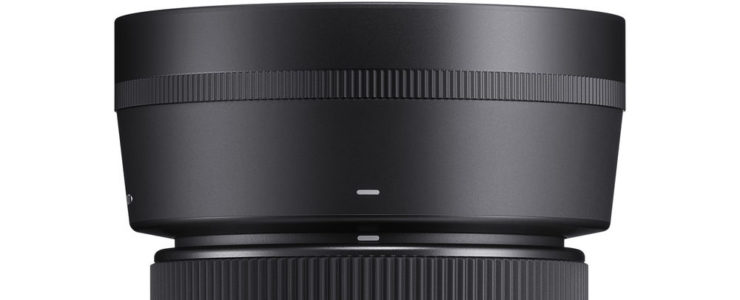
Sigma 30mm f/1.4 canon eos r

What motivated Sigma to release this advisory, have there been issues with EF mount lenses on the Canon EOS R5?

However, Sigma “verified the operation with our SIGMA GLOBAL VISION (SGV) interchangeable lenses (Contemporary, Art, and Sports lines) for Canon EF mounts used on the“ Canon EOS R5” with Canon’s mount adapter “EF-EOS R Series”, and confirmed that there were no problems with general operations such as AE, AF, and image stabilization”. Good to know.

Sigma advisory:

Operating conditions of SIGMA’s lenses for Canon EF mount with the Canon EOS R5

Thank you for purchasing and using our products.

We would like to share the results of our investigation regarding the operation of SIGMA’s lenses for Canon EF mount, when used on the Canon EOS R5.

We have verified the operation with our SIGMA GLOBAL VISION (SGV) interchangeable lenses (Contemporary, Art, and Sports lines) for Canon EF mounts used on the“ Canon EOS R5” with Canon’s mount adapter “EF-EOS R Series”, and confirmed that there were no problems with general operations such as AE, AF, and image stabilization.

Please note the following points when using our products.

1. For SGV interchangeable lenses released before 2017* , it is necessary that the lens firmware is updated to Ver.2.00 or later.
* The release year can be confirmed by the edition number (A017, C015, etc.) engraved on the lens barrel.

Please refer to the following page for details of the lens firmware.
https://www.sigma-global.com/en/download/lenses/firmware/

2. After setting the Digital Lens Optimizer to [OFF], set the “Peripheral Illumination Correction”, “Chromatic Aberration Correction”, and “Distortion Correction” of the “Lens Aberration Correction” function to  [ON] to achieve the appropriate corrections in accordance with the optical characteristics of each lens.

3. AF can be used within the area of approximately 80% of the height and 80% of the width of the sensor surface.

4. For lenses without an OS (Optical Stabilizer) mechanism, the in-camera image stabilization can not be used when the Full-time MF setting is set to “Full- time MF ON” via SIGMA Optimization Pro. When using in-camera image stabilization, please set the Full-time MF setting to “Full- time MF OFF”.
* The default Full- time MF setting is “Full- time MF OFF”.

5.  Image stabilization does not work optimally with interchangeable lenses which are not from the Contemporary, Art or Sports line. Please turn off the camera’s Image stabilization setting, or turn off the OS switch for lenses equipped with an OS (Optical Stabilizer) mechanism when using.

6. For interchangeable lenses which are not from the Contemporary, Art or Sports lines, using MF is recommended, since it may be difficult to achieve sufficient focusing speed and accuracy when AF is used.

For further information, please contact your nearest authorized SIGMA subsidiary / distributor.
https://www.sigma-global.com/en/about/world-network/

We appreciate your continued support for our company and products.

Canon Enters Guinness World Records By Printing World’s Longest Digital Photo

guinness world records

Canon entered the Guinness World Records book with the world’s longest digital photo print.

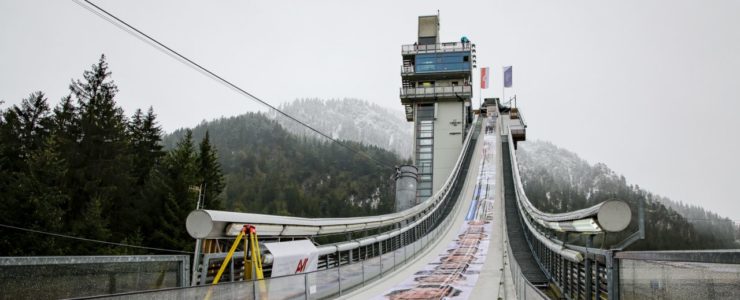
The printed photo is 109 meters (309.7 foot) long and was printed with an imagePROGRAF PRO-6100 printer. The photo was printed during the “Oberstdorfer Fotogipfel” event in Germany. Weather resistant paper from Ilford was employed, along with just 1,37 liters of ink.

Canon Germany issued a press release, here it is machine translated:

NEW GUINNESS WORLD RECORDS ™ RECORD 09/26/2020: CANON PRINT LONGEST DIGITAL PHOTO IN THE WORLD

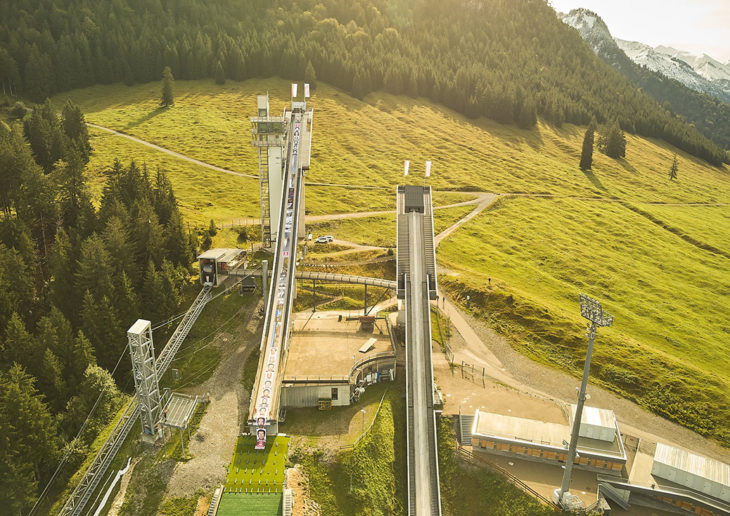
September 28, 2020. It’s official: Canon is GUINNESS WORLD RECORDS ™ record holder (09/26/2020). Canon has officially set a GUINNESS WORLD RECORDS ™ record on the Schattenbergschanze, where the best ski jumpers in the world hunt for records during the Four Hills Tournament. Despite the adverse weather conditions, with temperatures close to freezing point, continuous rain and the first snowflakes this year, Canon managed to print the longest digitally printed photo in the world in front of the jury on Saturday afternoon. The printing process took almost 16 hours and reached the incredible length of 109.04 meters. Canon supported the campaign with a comprehensive donation program, with a total of 5,000 euros for “Look!” eV, a regional association for aid to children and victims.

Canon is the official GUINNESS WORLD RECORDS ™ record holder

On September 26th, the historical Schattenbergschanze in Oberstdorf sees a world record of a special kind: Canon succeeded with the imagePROGRAF PRO-6100Large format photo printer to produce the longest continuous digital photo print in the world. For this purpose, the printer was placed at the highest point of the ski jump and continuously supplied with special paper from the manufacturer Ilford via a roll so that the pressure could slowly slide down towards the valley. A collage of landscape images, photos of citizens and famous personalities from Oberstdorf as well as sports and historical photos was printed. Under the watchful eye of the official record judges, media representatives and the Vice President of the German Bundestag and patron of the Oberstdorf Photo Summit Claudia Roth, Canon has achieved a total length of 109.04 meters and an ink consumption of only 1,37 liters officially received the GUINNESS WORLD RECORDS ™ record for the longest digitally printed photo in the world.

Image © Jochen Kohl – K2 Studio, Schattenbergschanze Oberstdorf: Canon prints the longest digital photo in the world

After Canon had set the world record and the longest digitally printed photo in the world covered the Schattenbergschanze in Oberstdorf, Claudia Roth, Vice President of the German Bundestag, congratulated everyone involved.

Every photo for a good cause

The commitment at the eighth Oberstdorf Photo Summit consisted of expert advice at the stand, touch & try options and professional sensor cleaning for your own Canon camera and could be noticed by the visitors. In addition, the record print was divided into its individual motifs, which could be auctioned online. The income generated from this also goes to the non-profit children’s and victims’ aid association.

“The eighth Oberstdorf Photo Summit was a complete success for Canon,” said Markus Koch, European Document Solutions Group Director at Canon Germany. “We are particularly pleased to do something good with pictures and our products in accordance with our principle, to support the“ Schaut hin! ”EV association with a donation of 5,000 euros. We would therefore like to thank everyone who supported the fundraising campaign, those responsible for the eighth Oberstdorf Photo Summit, the Ilford company for the weatherproof paper, and the Oberstdorf municipality, which provided us with the impressive backdrop for our longest photo print in the world.

More information about the photo summit and the entire event program is also available at: www.fotogipfel-oberstdorf.de

Industry Rumors: Leica To Release A James Bond-themed Limited Edition Camera

leica

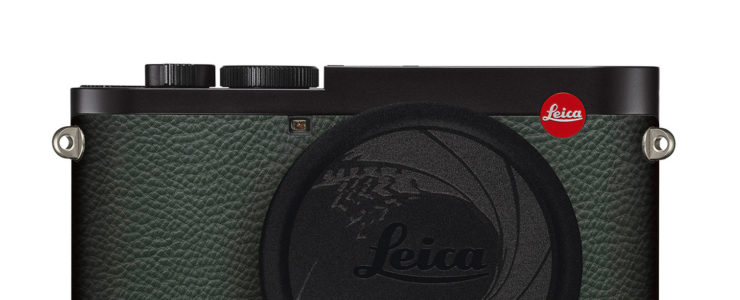
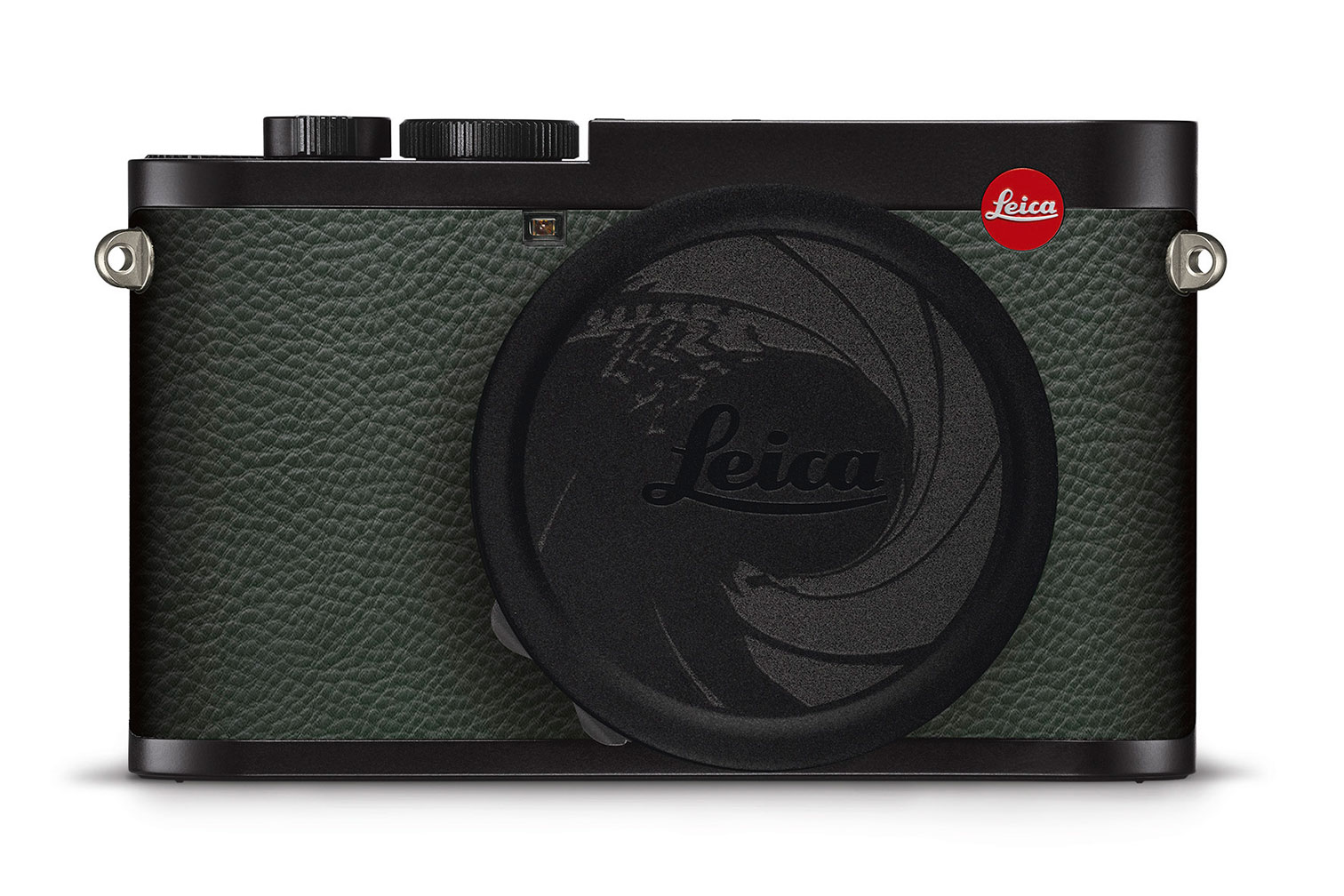
In a clear effort to uncover new ways to motivate people to waste spend $5000 for a camera with Sony sensor, Leica will soon release a special edition, James Bonde-themed camera. How can you afford not to own one?

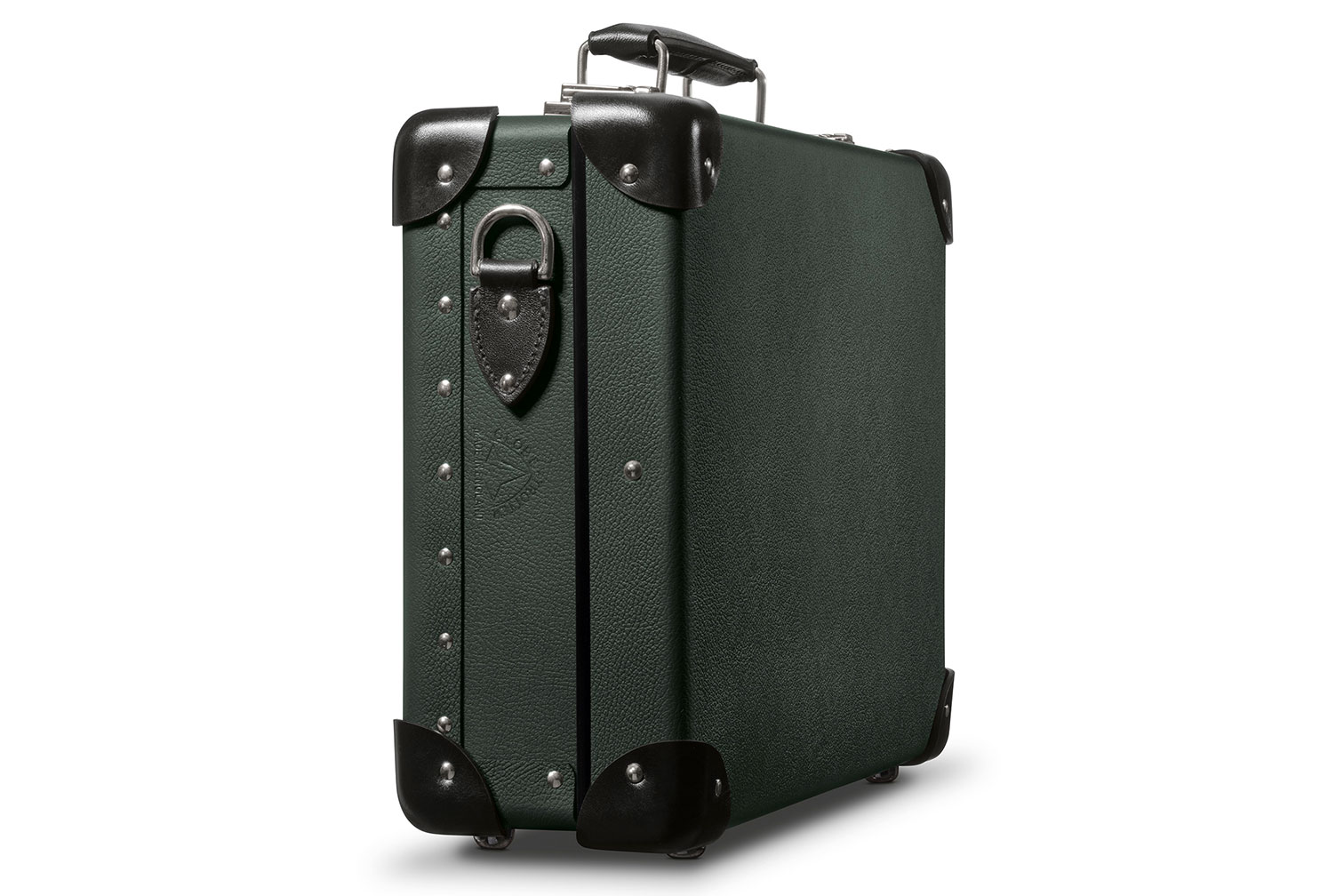
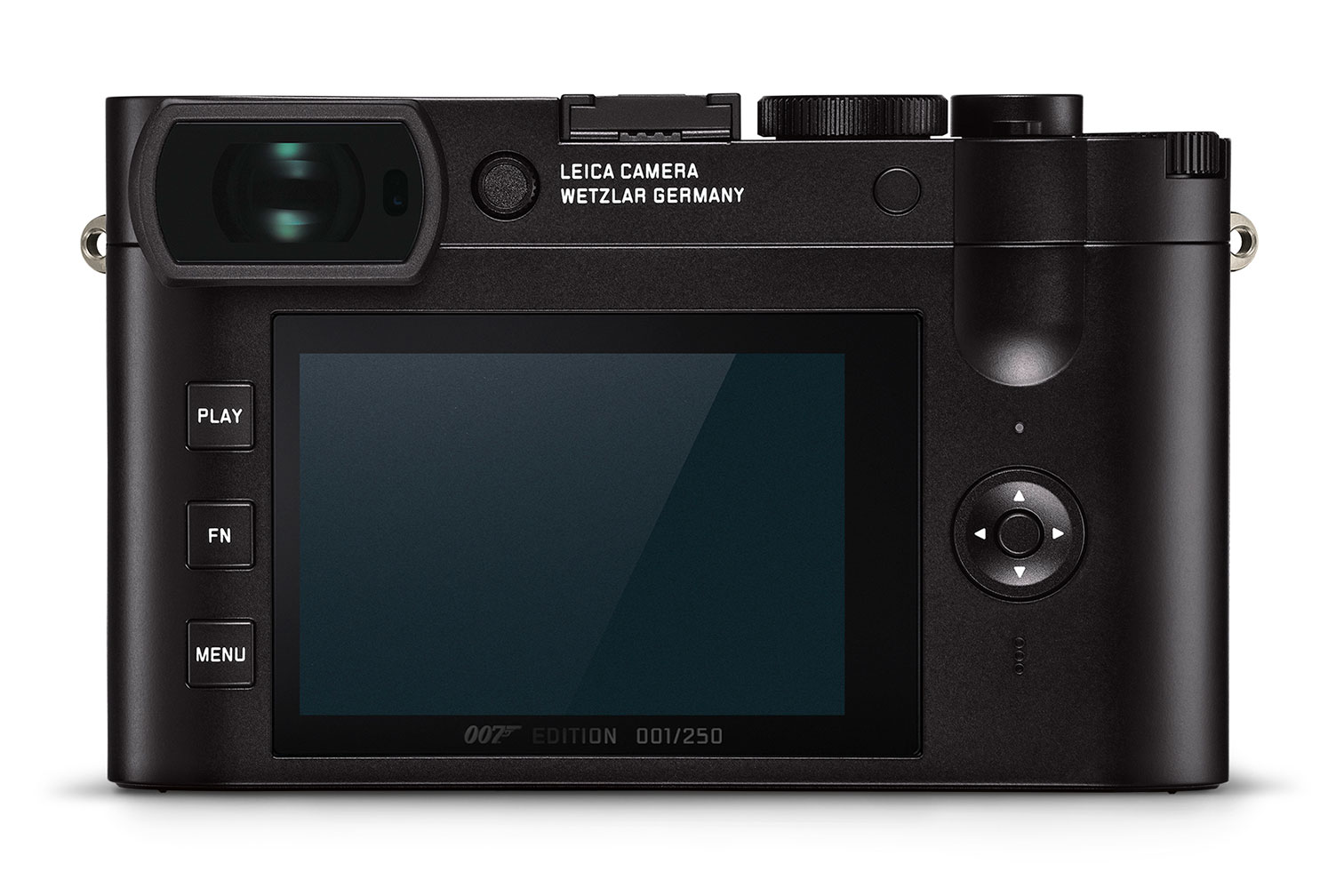
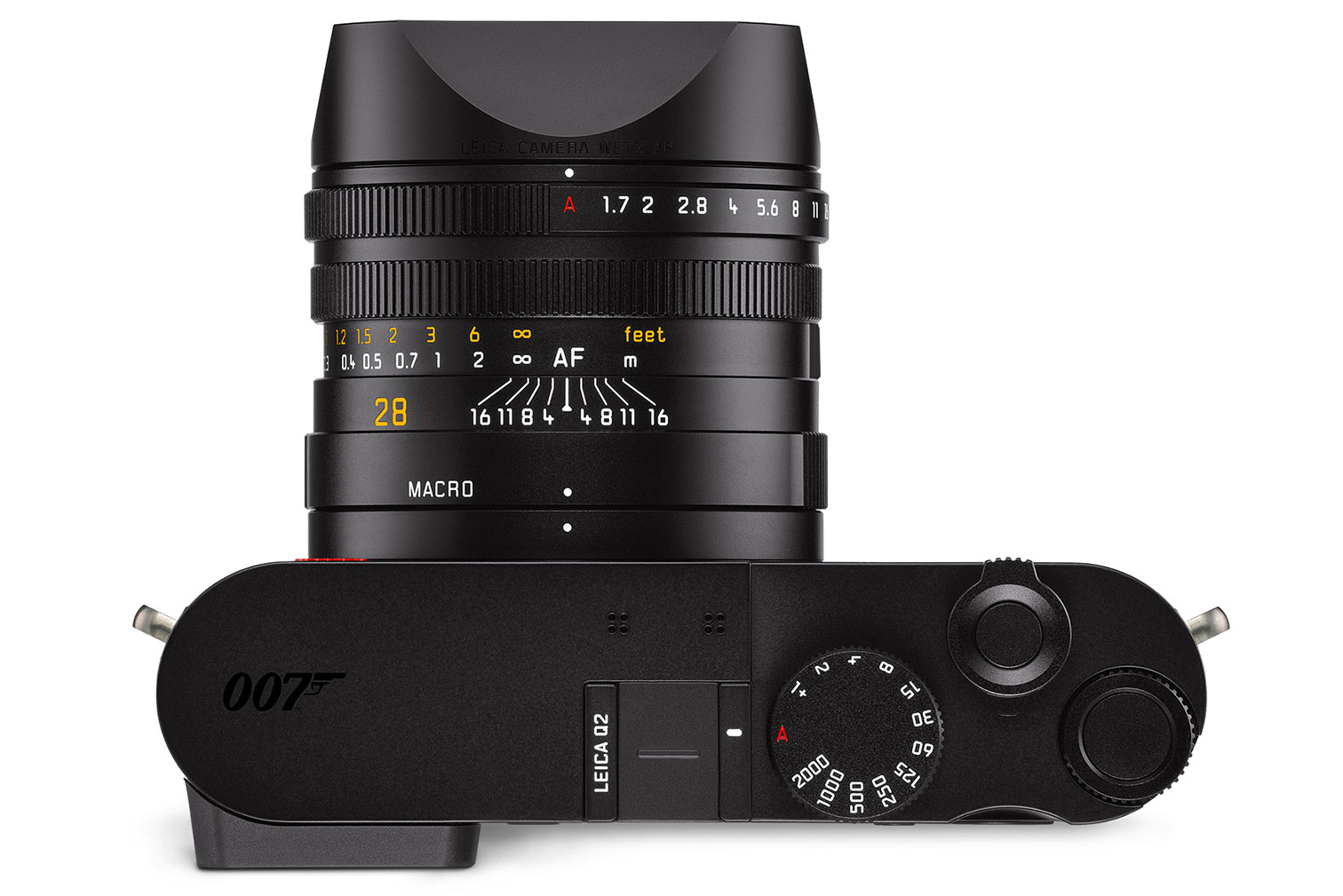
The Leica Q2 007 Special Edition will be released in the next weeks. Here are some images leaked ahead of the announcement. Is the suitcase a fancy camera case or a suggestion about how to take the money to the retailer?

[via Nokishita]