If you want to learn more about the life and work of American photographer Ansel Adams we got you covered. Below is an 80 minutes documentary originally broadcasted by PBS in 2002. It’s titled Ansel Adams: A Documentary Film, and you’ll watch an in-depth study of Adams’ life and work. A DVD version is available on Amazon for $13.97.
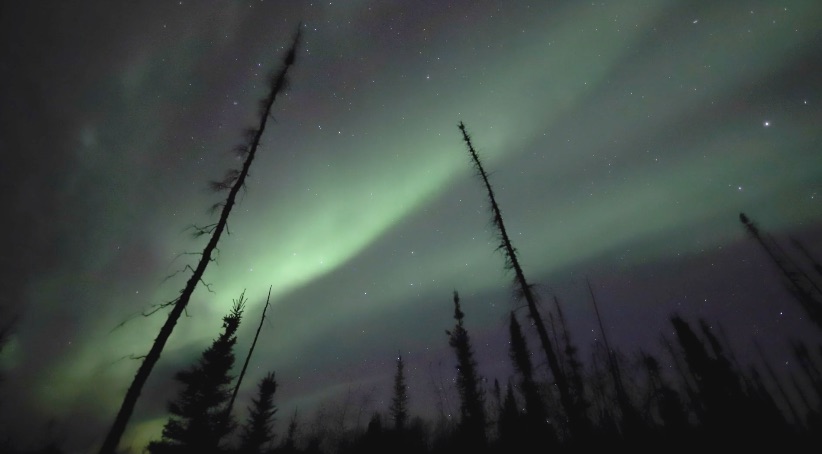
Astronomy and night sky photographer Phil Hart made two beautiful clips of the Aurora Borealis in Canada’s Yukon Territory. The results are beautiful and have a touch of magic.
To shot both Aurora Borealis clips, Phil Hart used a Canon EOS 5D Mark IV (price & specs) and an EOS 6D Mark II (price & specs) and fast Sigma ART lenses. With the EOS 5D Mark IV he captured 1080p video at the camera’s maximum 32000 ISO setting. 4K video on the EOS 5D Mark IV didn’t work out well for Phil: the combination of the 1.7x crop factor and significant reduction in maximum allowable ISO speed were the bottlenecks. He used the EOS 6D Mark II to shoot 4K time-lapse video.
First, have a look at the mesmerising clips below.
Phil Hart tells the story of both clips on his site, with many details on his workflow.
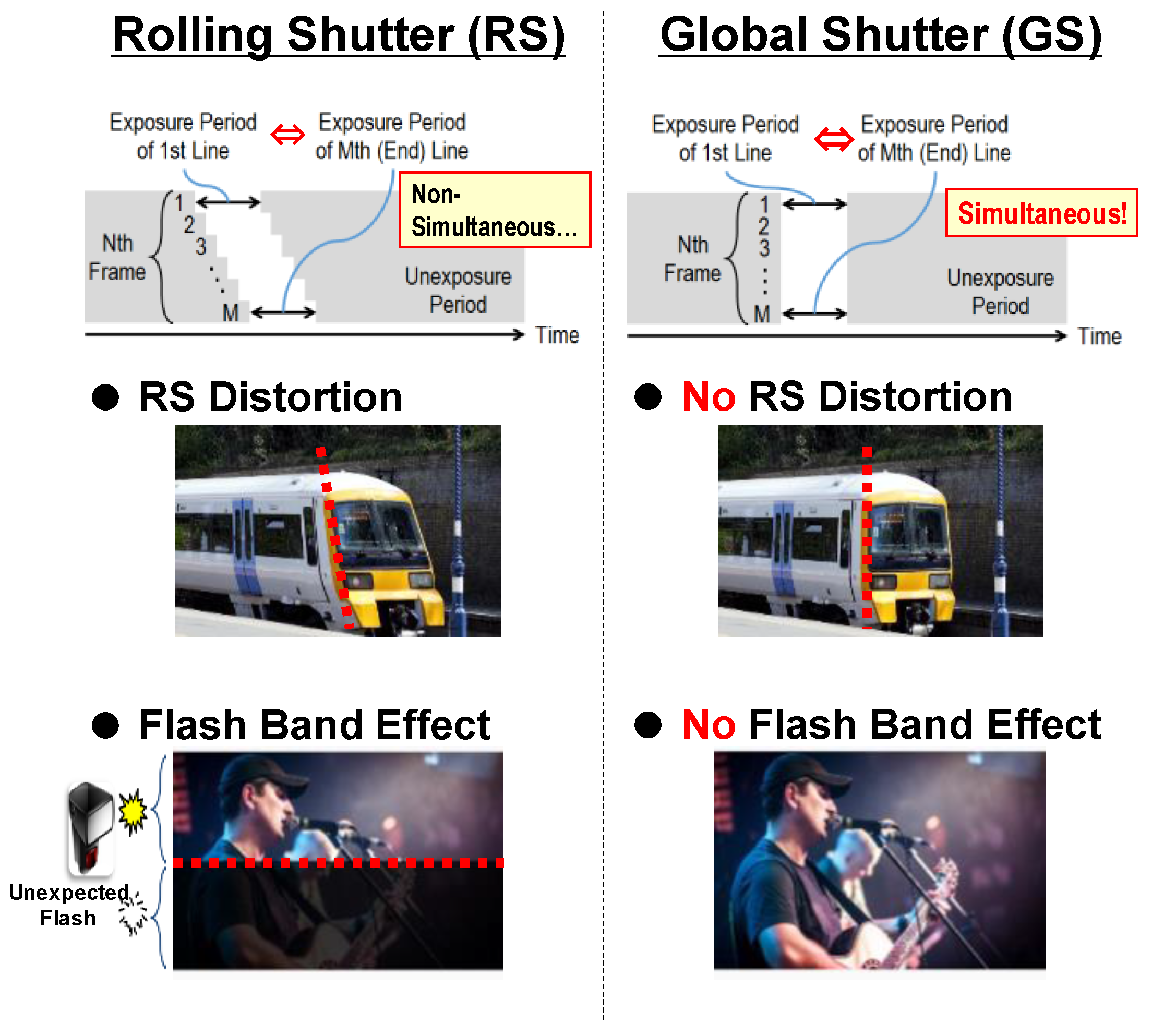
The paper describes a concept for a global shutter sensor. The paper’s abstract states:
CMOS image sensors (CISs) with global shutter (GS) function are strongly required in order to avoid image degradation. However, CISs with GS function have generally been inferior to the rolling shutter (RS) CIS in performance, because they have more components. This problem is remarkable in small pixel pitch. The newly developed 3.4 µm pitch GS CIS solves this problem by using multiple accumulation shutter technology and the gentle slope light guide structure. As a result, the developed GS pixel achieves 1.8 e− temporal noise and 16,200 e−full well capacity with charge domain memory in 120 fps operation. The sensitivity and parasitic light sensitivity are 28,000 e−/lx·s and −89 dB, respectively. Moreover, the incident light angle dependence of sensitivity and parasitic light sensitivity are improved by the gentle slope light guide structure.
Canon’s approach to the issue is two-fold (see also the picture after the quoted text):
[…] two key techniques to realize superior optical characteristics while suppressing the reduction of saturation more than the conventional GS pixels. The first technique is the multiple accumulation shutter technology. This technique improves pixel saturation. The second technique is the light guide structure. This technique improves optical performance. As a premise of adopting these two techniques, we first explain the idea of saturation allocation that is important in these techniques.
Flickr Blog published some figures about the device used by its users to snap pictures that get uploaded to the platform.
Smartphones dominate by upload volume, a trend we saw last year and that’s getting stronger:
Smartphones accounted for 50% of the photos uploaded to Flickr, up from 48% in 2016.
DSLR was 33%, up from 25% in 2016, and point and shoot was 12%, down from 21% in 2016.
Mirrorless remained at 4% of total uploads for the third year in a row.
Mirrorless still not playing a significant role on Flickr leaves me a bit puzzled. Where have all those Sony, Olympus and Fuji cams gone?
As for the the brands, we see Apple’s domination (54% of photos), accounting for 9 out of the top 10 devices. The first DSLR that follows in this list is the Canon EOS 5D Mark III (price & specs), the most used DSLR on Flickr. Canon is also the second most used brand, after Apple and before Nikon. Canon devices make 23% of the top 100 most used devices, Nikon 18%.
MacPhun Aurora HDR has been named best Mac OS X application of 2017. And that’s for a good reason.
Aurora HDR is a powerful editing software for your Mac. Aurora HDR is not just a tool for merging bracketed images, it also provides numerous tools and countless options to create perfect HDR photos for every taste – from one-click presets and advanced tone-mapping, to layers, noise reduction and powerful luminosity masking controls.
You can purchase both Luminar and Aurora HDR and and get a $10 discount with code WATCH.
Next-generation Tone Mapping – A new smart Tone Mapping algorithm automatically reduces noise, and produces more realistic and natural initial results.
Mac and Windows versions – Aurora HDR 2018 is available both for Mac and PC users, enabling mixed-computer households to share the same product key.
Lens Correction Tool* – The new Lens Correction filter easily fixes all kinds of lens distortion, from barrel and pincushion to chromatic aberration and vignetting.
Transform Tool* – Easily scale, rotate and shift your image to better fit your vision.
Dodge & Burn Filter – Selectively lighten or darken specific areas of an image to artfully direct your viewer’s eye towards the key subject of your image, similar to a traditional darkroom technique.
HDR Enhance Filter – Adds details and clarity to an image, adjusting colors, details and contrast without creating artificial halos or other problems.
User Interface – A new, modern and responsive user interface brings a powerful, yet joyful experience to HDR photo editing.
History Panel – An easy-to-reference list of edits made to your image, the History panel allows you to click on any editing step to revert the photo to an earlier stage of editing.
Touch Bar support for Mac – Aurora HDR 2018 adds Touch Bar support to give new MacBook Pro users fast access to key editing features and speed up their workflow.
Image Flip and Rotate* – Perfect for correcting photos with incorrect horizons or making creative compositions or other stylistic changes to an image.
IMPROVED: New Structure Algorithm – The re-developed Structure tool allows you to adjust detail and clarity of an image to get a classic HDR effect with great detail or a smoother effect with less details.
IMPROVED: RAW handling – An improved RAW conversion brings out more details in shadows/highlights, displays colors more accurately and reduces noise in RAW files.
IMPROVED: Crop tool update – Now specify custom crop sizes for even more versatility.
IMPROVED: Speed – Faster merging and masking performance, improvement in RAW image processing.
More gear gets announced today (see here too). Funny is, no rumor site saw it coming :-)
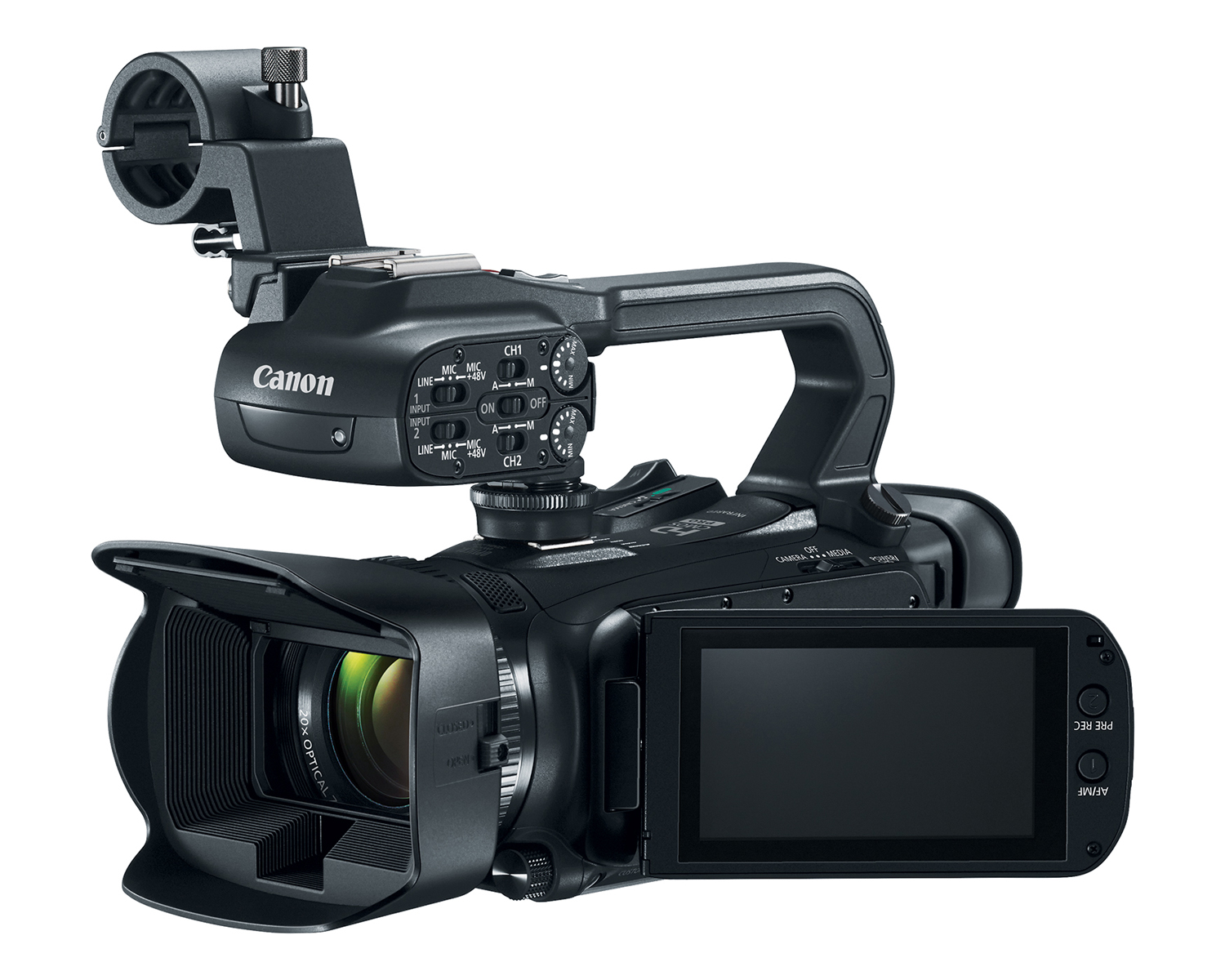
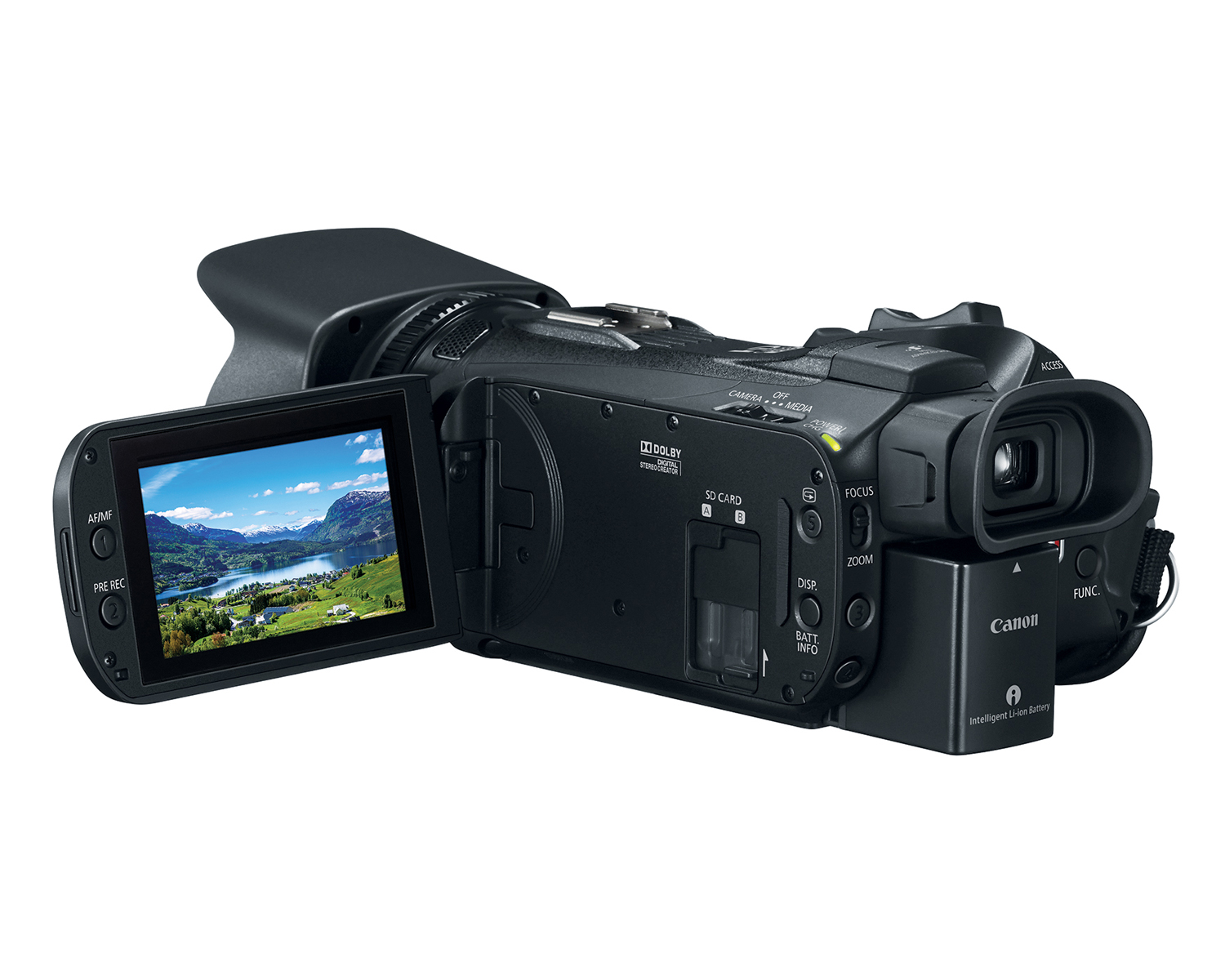
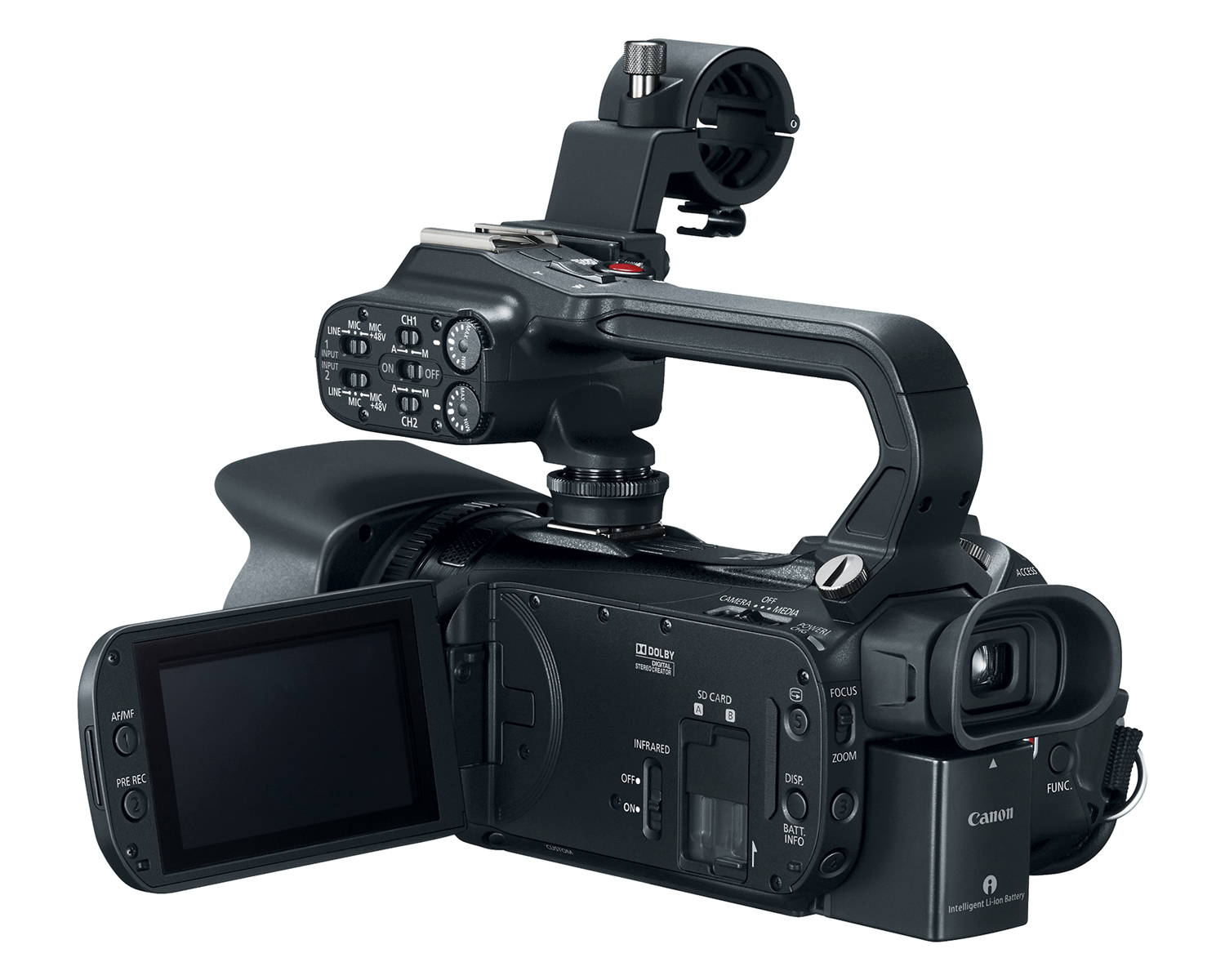
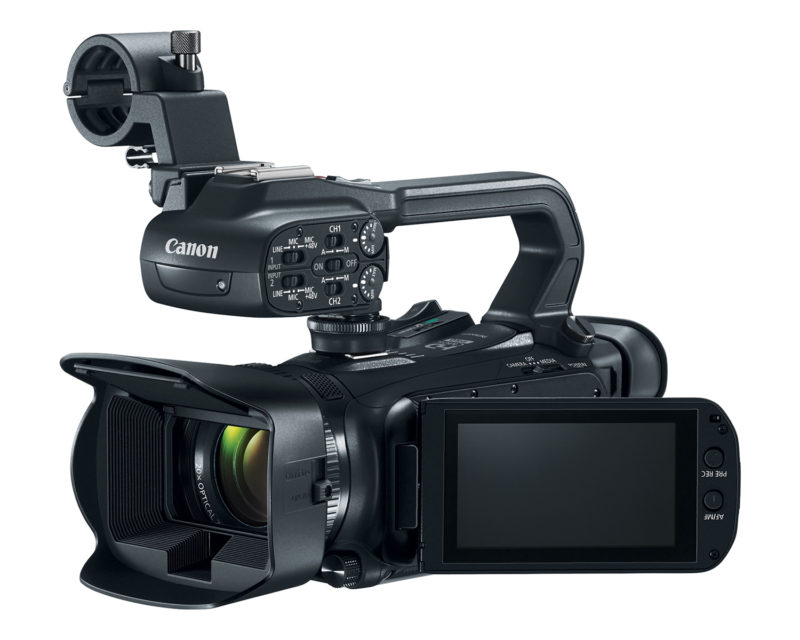
The Canon XA15, XA11 and VIXIA HF G21 Full HD camcorders are all scheduled to be available at the end of December 2017 for an estimated retail price of $1,899, $1,399 and $999 respectively.
Some of the gear is available for order/pre-order:
Canon VIXIA HFG21 on sale at $999 at B&H Photo (pre-order) and Adorama
Canon U.S.A. Ups The Videography Ante With Three New HD Camcorders
New XA15, XA11 and VIXIA HF G21 Camcorders All Feature a Full HD CMOS Sensor, 20x HD Optical Zoom Lens
MELVILLE, N.Y., December 5, 2017 – Canon U.S.A. Inc., a leader in digital imaging solutions, today announced the launch of three new compact and lightweight Full HD camcorders, the Canon XA15, XA11 and VIXIA HF G21. Delivering first-class optics, powerful sensors and a range of versatile features, these camcorders are perfect for a broad range of video productions.
“The ability to capture high-quality video on-the-go in a compact and lightweight form factor is extremely valuable to videographers of all skill levels,” said Yuichi Ishizuka, president and COO, Canon U.S.A., Inc. “These camcorders were designed to help professionals and enthusiasts who are in the field capture action as it happens.”
Professional Performance and Functionality
The Canon XA15, XA11 and VIXIA HF G21 Full HD camcorders each provide videographers with a spectacular 20x 26.8mm-576mm optical zoom lens allowing a user to easily capture a variety of scenes with superb image quality. Canon’s HD CMOS Sensor and the powerful DIGIC DV4 image processing platform deliver great performance in low-light and the ability to capture superb Full HD images in 60p at 35Mbps. Wide DR mode supports the smooth compression of high luminance areas to achieve 600 percent DR making it possible to shoot with smooth color gradation and suppressed overexposure. This is applicable to any shooting environment where the difference between light and dark areas is prone to causing overexposure. Flexible image expression is supported by a Slow/Fast Segment function that enables users to select shooting speeds from 0.4x to a maximum of 1,200x, and a Hi-UD lens supports the reduction of chromatic aberration and drives vivid imaging.
These camcorders are capable of recording in both AVCHD and MP4 formats, at multiple bit rates, simultaneously, to Dual SD card slots. All camcorders offer HDMI, headphone jack, optional GPS support and the XA15 and XA11 models offer XLR professional audio terminals. Additionally, the XA15 model also features a HD-SDI output. Comprising of a compact and lightweight body, each camcorder is ideal for high-action shoots when both speed and mobility are essential. Dynamic Mode provides 5-Axis image stabilization – roll axis, horizontal roll, vertical roll, up-down and left-right – to help facilitate smooth image capture in various styles of fast-paced shots. The VIXIA HF G21 is identical to the XA15 and XA11 in performance, but does not include a handle.
Key Features:
High optical performance
Stunning Full HD image quality
Professional recording options
Professional interfaces
Easy operability and compact design
Pricing and Availability
The Canon XA15, XA11 and VIXIA HF G21 Full HD camcorders are all scheduled to be available at the end of December 2017 for an estimated retail price of $1899.00, $1399.00 and $999.00 respectively*. For more information please visit, usa.canon.com.
This website or its third-party tools use cookies, which are necessary to its functioning and required to achieve the purposes illustrated in the cookie policy. If you want to know more or withdraw your consent to all or some of the cookies, please refer to the cookie policy. By closing this banner you agree to the use of cookies.


 Canon’s research division posted a paper named “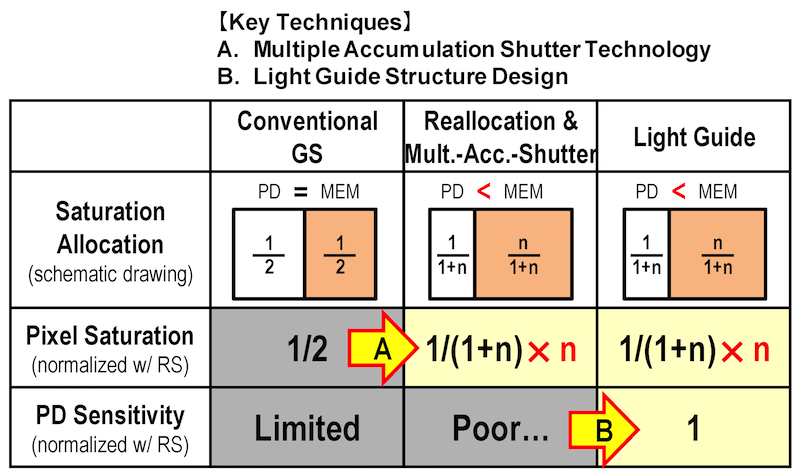
 Flickr Blog