Canon EF 16-35mm f/2.8L III review (ePhotozine)
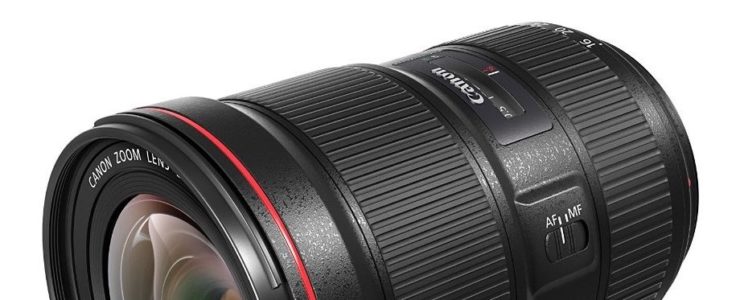
ef 16-35mm f/2.8L III

Canon EF 16-35mm f/2.8L III: [shopcountry 40054]

At a glance:

  • EF-Mount Lens/Full-Frame Format
  • Aperture Range: f/2.8 to 22
  • Three Aspherical & Two UD Elements
  • Subwavelength & Air Sphere Coatings
  • Ring-Type Ultrasonic Motor AF System
  • Internal Focus; Full-Time MF Override
  • Fluorine Coating on Exposed Elements
  • Dust- and Water-Resistant Construction
  • Rounded 9-Blade Diaphragm

ePhotozine posted their review of the Canon EF 16-35mm f/2.8L III. a highly regarded, professional wide-angle lens. In the conclusion they write:

We have weather sealing, outstanding performance, solid construction and a very high price. We lose IS, but that may be more acceptable in wide angle lenses. Really the question is not so much is the lens worth the price, it quite probably is, but whether or not our budget can justify the large margin between it and the alternatives.

If that equation can be satisfied for the individual photographer, then certainly the lens will not disappoint. Read the review…

The reviewers praise the excellent sharpness of the EF 16-35mm f/2.8L III, the very good correction  of chromatic aberrations, the absence of flare, the outstanding build quality and the weather sealing. All this goodness comes at a price, the EF 16-35mm f/2.8L III sells at $2,199.
These are the best primes and zooms for the Canon EOS-1D X Mark II, according to DxOMark

eos-1dx mark ii

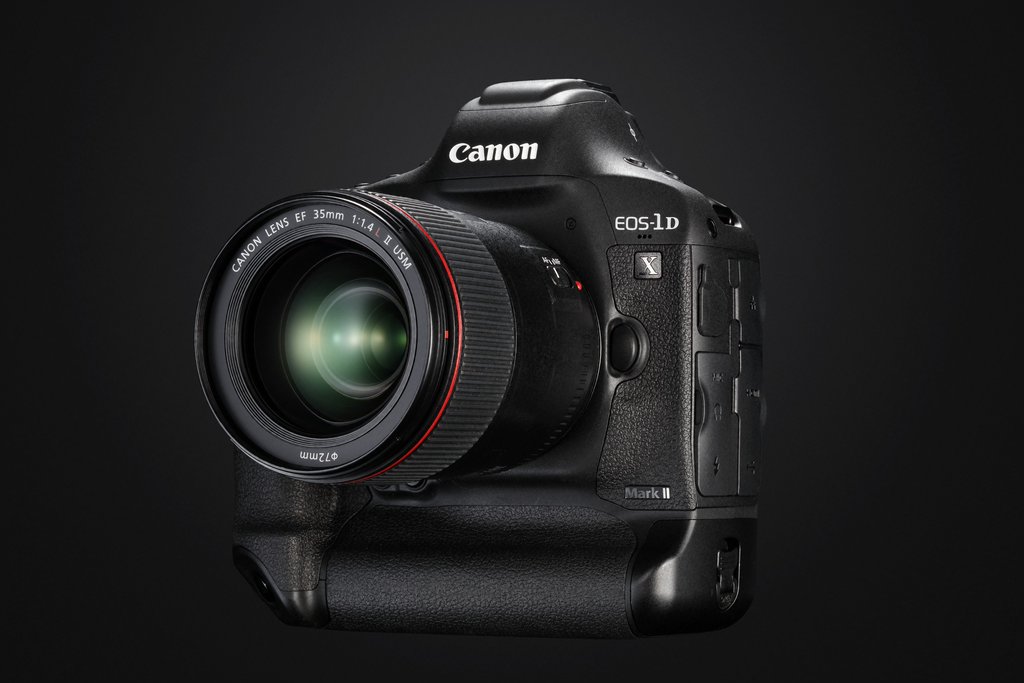
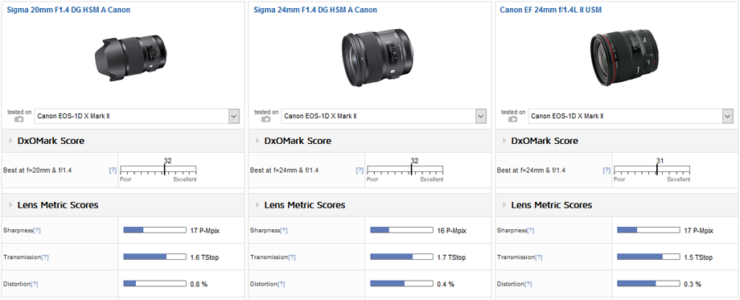
DxOmark posted a list of what they consider the best prime and zoom lenses to be used with the Canon [shoplink 37157]EOS-1D X Mark II[/shoplink].

Surprisingly (or maybe not), the zoom lenses ranked first and second are not Canon.

  1. [shoplink 32601]Sigma 24-35mm f/2 DG HSM ART[/shoplink]
  2. Tamron SP 15-30 mm F2.8 Di VC USD.
  3. [shoplink 21480]Canon EF 16-35mm f/4L IS USM[/shoplink]

The three best ranked prime lenses (recommended for photojournalists):

  1. [shoplink 36336]Sigma 20mm f/1.4 DG HSM[/shoplink]
  2. [shoplink 30145]Sigma 24mm f/1.4 DG HSM[/shoplink]
  3. [shoplink 237]Canon EF 24mm F1.4L II[/shoplink]

What does it mean that third party manufacturers build lenses that are considered the best for Canon’s flagship, the EOS-1D X Mark II? It means that both Sigma ad Tamron made some significant advances in the last years and are now able to build lenses with outstanding optical performance and to sell them at a price that’s usually lower as the Canon counterparts.

eos-1d x mark ii

[via DxOMark: prime lenses | zoom lenses]

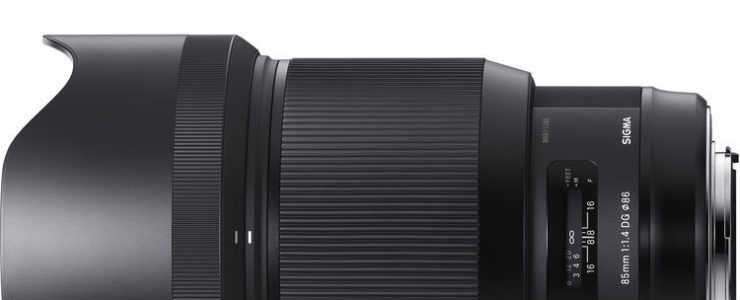
Sigma 85mm f/1.4 DG HSM Art Review (ePhotozine)

Sigma 85mm f/1.4

Sigma 85mm F1.4 DG HSM Art: [shopcountry 41663]

At a glance:

  • EF-Mount Lens/Full-Frame Format
  • Aperture Range: f/1.4 to 16
  • Two Low Dispersion Elements
  • One Aspherical Element
  • Super Multi-Layer Coating
  • Hyper Sonic AF Motor, Manual Override
  • Rounded 9-Blade Diaphragm
  • TSC Material, Brass Bayonet Mount
  • Compatible with Sigma USB Dock

Another positive review for the new Sigma 85mm f/1.4 DG HSM Art lens by ePhotozine.

The Sigma 85mm f/1.4 DG HSM Art lens is a high class, highly competent design that performs confidently and efficiently. It is of the modern breed of 85mm lenses, sharp from open aperture, as opposed to older designs that were intended to be softer wide open for the purposes of flattering portraits. This new lens is sharp throughout, although not cruelly over-sharp, so subjects should be pleased enough.

It is also delightful to use, the only omissions being vibration reduction and weather sealing, but the performance itself is not in question. Read the review…

The Sigma 85mm f/1.4 Art is a highly anticipated lens, and it just started shipping.

Canon and Nikon produce the best JPGs straight out of the box, Sony is crap and Fuji disappoints

APS-C EOS 80d canon eos 90d

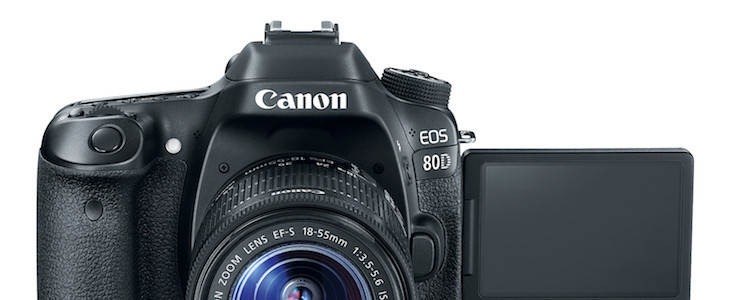
The never-Canon-friendly folks at The Camera Store TV did a non-scientific test to establish which brand produces the best JPG images out of the box, i.e. coming from the camera with no editing. On all cameras the standard setting (factory defaults) for JPG was used. The compared the Pentax K7D, Olympus Pen F, Nikon D500, Canon EOS 80D, Panasonic G85, iPhone 7+, and Fujifilm X-T2.

It’s obviously a test based on subjective perception, with no claims to be objective. However, it confirmed what I was thinking since long: Nikon and Canon have the best JPG engines, Sony one of the worst, and Fuji’s color rendition in JPG is over hyped and not that good (despite the sensor), especially not in landscape pictures. The Camera Store confirmed this. According to these guys, Nikon shoots the best JPGs out of the box, closely followed by Canon. I still think Canon is better than Nikon, especially when it comes to skin tones.

You see that having a camera with “wow-factor” specs is not enough. To build a good camera you have to take in account many factors. Nikon and Canon have more experience and know-how than all the others. That’s it.

Overall Results:

  1. Nikon
  2. Canon
  3. Panasonic
  4. Fujifilm
  5. Olympus
  6. Sony
  7. Pentax
  8. iPhone

Enjoy the video!

[via The Camera Store TV]

Canon EF 16-35mm f/2.8L III review (photozone)

ef 16-35mm f/2.8L III

 Canon EF 16-35mm f/2.8L III: [shopcountry 40054]

At a glance:

  • EF-Mount Lens/Full-Frame Format
  • Aperture Range: f/2.8 to 22
  • Three Aspherical & Two UD Elements
  • Subwavelength & Air Sphere Coatings
  • Ring-Type Ultrasonic Motor AF System
  • Internal Focus; Full-Time MF Override
  • Fluorine Coating on Exposed Elements
  • Dust- and Water-Resistant Construction
  • Rounded 9-Blade Diaphragm

Specialized lens testing site photozone posted their analysis of the new Canon EF 16-35mm f/2.8L III, a highly regarded professional lens that comes at $2,199. The EF 16-35mm f/2.8L III was tested on a Canon [shoplink 27766]EOS 5Ds R[/shoplink].

From the conclusion:

The Canon EF 16-35mm f/2.8 USM L III is, of course, an improvement over its predecessors. If you stop down a bit you can achieve edge-to-edge sharp images at all focal lengths even on a 50 megapixel camera. That’s quite an achievement! The image corners are a bit soft at f2/8 and the extreme ends of the zoom range though. However, in real life that’s rarely a showstopper. If you are using a camera with a more moderate pixel count, you don’t really need to worry because the lens is plenty sharp enough in this case. Lateral CAs are generally very well controlled. A substantial weakness is the amount of vignetting at the wide end though. When designing a lens you have to balance the different optical aberrations and Canon obviously decided to favour sharpness over vignetting this time. Read the review…

The review comes with MFT and distortion charts, images samples and plenty of information about this lens.

Canon EOS 5D Mark IV long term review (Dustin Abbott)

eos 5d mark v

Canon EOS 5D Mark IV: [shopcountry 40051]

At a glance:

  • 30.4MP Full-Frame CMOS Sensor
  • DIGIC 6+ Image Processor
  • 3.2″ 1.62m-Dot Touchscreen LCD Monitor
  • DCI 4K Video at 30 fps; 8.8MP Still Grab
  • 61-Point High Density Reticular AF
  • Native ISO 32000, Expanded to ISO 102400
  • Dual Pixel RAW; AF Area Select Button
  • Dual Pixel CMOS AF and Movie Servo AF
  • 7 fps Shooting; CF & SD Card Slots
  • Built-In GPS and Wi-Fi with NFC

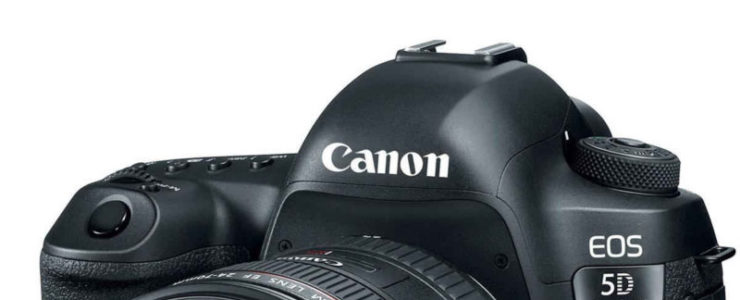
After having shared various bits of his work-in-progress review of the Canon EOS 5D Mark IV, photographer and reviewer Dustin Abbott posted the final review.

As I said many times before, this kind of reviews are the ones I like most. As much as lab tests might say about a sensor (mostly) and a camera, it’s the point of view of the photographer in the field that gets all my interest.

In his exhaustive review, Dustin Abbott discusses also the criticism the EOS 5D Mark IV got, mainly on the video front where its features have been called “2012-like”. I let this interesting part of the review to your reading pleasure. As usual, Dustin’s reviews come double served, as video review and written review. The video is below, the full review with sample images and a lot of interesting considerations about Canon’s new full-frame DSLR is here.

In the conclusion he writes:

The Canon EOS 5D Mark IV is a bit of paradox. It is simultaneously one of the best cameras Canon has ever created along with being one of its most divisive ones. Whereas the 5D Mark III was universally accepted as an excellent choice for both professional and amateurs alike, things have changed. It is my opinion that the 5D Mark IV is a better camera in every measure than the 5D Mark III, but is that enough for the 2016 market that it is released into? It has better autofocus performance (including vastly improved performance with teleconverters), better resolution, better dynamic range, better high ISO performance, and faster shooting and buffer performance. And, despite all of the drama surrounding the video performance, it is actually a better video camera than the 5D Mark III. It has more shooting options, a better sensor to work with, time lapse movie mode, a useful HDR video mode, and most importantly, it has DPAF video servo focus and that great touchscreen. While the 4K support is unquestionably flawed, the reality is that it does serve some purpose, the footage looks great, and the image grab from 4K video is actually useful.