Canon EOS-1D X Mark III Sensor DxOMarked, Clearly Behind Competition
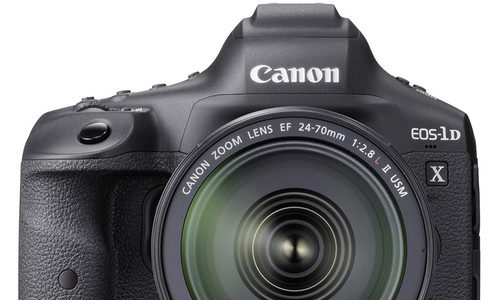
canon eos-1d x mark iii sensor

The Canon EOS-1D X Mark III sensor was tested in DxOMark’s lab, and figures suggest it’s performance is behind the competition.

The Canon EOS-1D X Mark III has an overall score of 83. That’s less than the Nikon D850 (100) or the Sony a7R IV (99). Note that Nikon features a Sony-made sensor in the D850. To compare the 1DxIII with another sport oriented camera, the Sony a9 II, you can see the a9 II scores significantly better with 93. The EOS-1D X Mark III score is even behind the EOS-1D X Mark II (88).
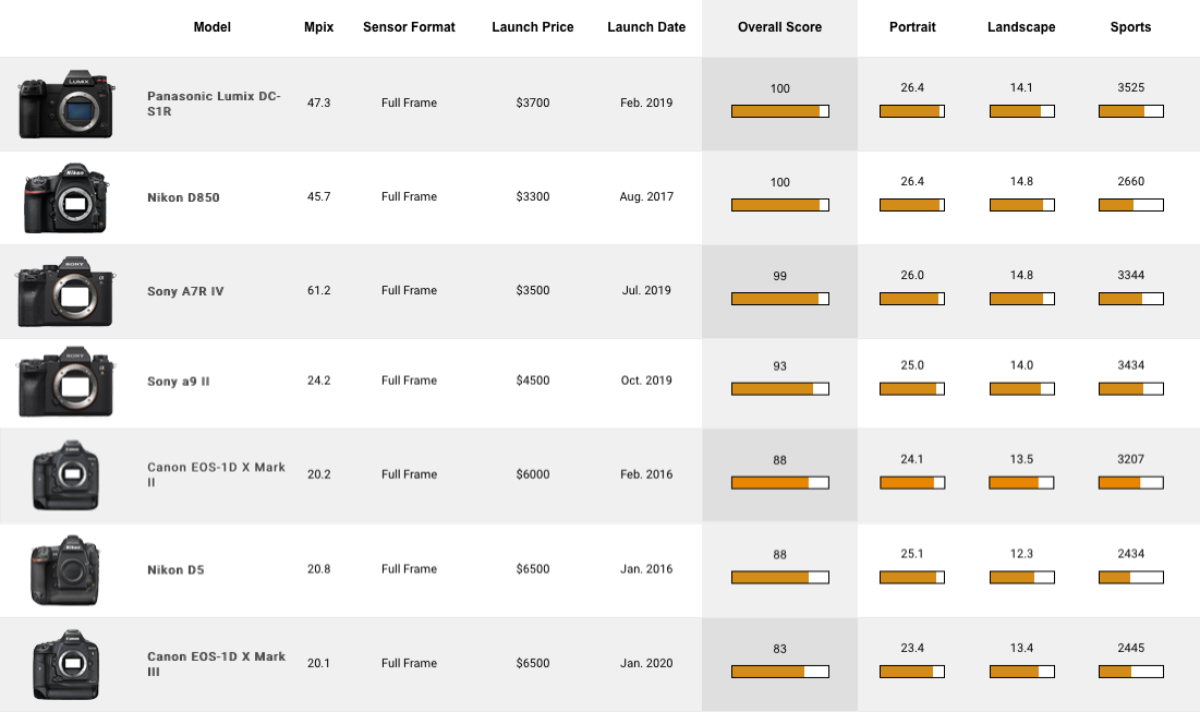
We are firmly convinced that pure sensor performance figures do not describe a camera as a whole and are just one aspect of a camera. Never the less, the Canon EOS-1D X Mark III having a sensor score that’s so much lower than the competition is something that at least Canon’s marketing department should be worried about.

DxOMark’s conclusion:

Sports journalism is a highly competitive field and requires a camera that can keep pace with the action unfolding in front of the lens. The Canon EOS-1D X Mark III has been designed with that one goal in mind. Although we at DXOMARK test only sensor performance and no other features, at face value it’s an incredibly fast DSLR with not only blazing AF speed, incredible continuous shooting rates and a prodigious buffer, but also an equally impressive sensor. Admittedly, it’s not quite at the cutting edge in our metrics for sensor performance, but there’s far more to it than that.

Like the Nikon D5 and the Sony a9 II, such cameras are highly specific and a niche purchase. If you’re already a Canon user with a significant investment in lenses and other dedicated system accessories, then there’s not enough difference here in sensor dynamics to get you switch brands. If you’re new to the market, there’s a lot to consider, but even then the Canon EOS-1D X Mark III is still more than a worthy contender for your hard-earned cash.

Read the review at DxOMark

More Canon EOS-1D X Mark III coverage is listed here.
7Artisans 55mm f/1.4 Lens For Canon EOS M Review

7Artisans 55mm f/1.4

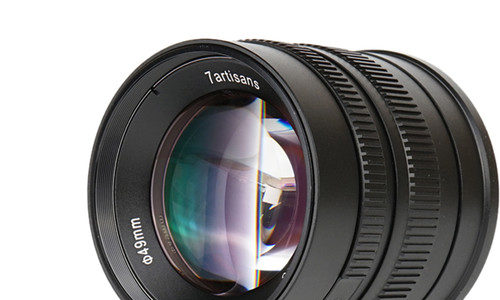
The 7Artisans 55mm f/1.4 is one of the less expensive options for mirrorless shooter.

Dustin Abbott tested the 7Artisans 55mm f/1.4 in its EOS M version. A large sample image gallery is also available.

You can follow Dustin Abbott on his YouTube channel.

Key features:

  • EF-M-Mount Lens/APS-C Format
  • 88mm (35mm Equivalent)
  • Aperture Range: f/1.4 to f/16
  • Multi-Layer Coating
  • Manual Focus Design
  • Depth of Field and Distance Scales
  • Rounded 14-Blade Diaphragm

7Artisans 55mm f/1.4 sells at $119: [shoplist 62456]

Click here to open the rest of the article

Samyang AF 85mm f/1.4 RF Review (highly recommended, Photography Blog)

Samyang AF 85mm f/1.4 RF review

Here is another Samyang AF 85mm f/1.4 RF review, Samyang/Rokinon latest autofocus lens for the Canon EOS R system

Photography Blog posted their full Samyang AF 85mm f/1.4 RF review, and rated it “highly recommended” with 4.5/5 stars. From the conclusion:

Sharpness is acceptable when shooting wide-open at f/1.4, very good at f/2 and outstanding from f/2.8 onwards, although the edges aren’t quite as sharp as the centre, with f/2.8-f/11 producing the sharpest results. There is some evidence of chromatic aberrations plus vignetting at wide-open apertures, although admittedly that’s something that other fast lenses also suffer from.

The build quality is surprisingly good given the price tag, with the metal lens mount and housing adding to the high-quality feel, Samyang have also included a very good lens hood, and weather-sealing is the icing on the proverbial cake. Auto-focusing was acceptably quick on the Canon EOS RP camera that we tested the lens with, and the AF mechanism is pretty quiet too, making it well-suited to both stills and video use.

In summary, if you want an affordable yet high-quality portrait prime for your Canon EOS R camera, there’s only one contender in town – the new Samyang AF 85mm f/1.4 RF lens.

Read the review at Photography Blog…

The Samyang AF 85mm f/1.4 RF is available at $699: [shoplist 62302]

Samyang AF 85mm f/1.4 RF Review (image quality perfect for portrait work)

Samyang AF 85mm f/1.4 RF review

A Samyang AF 85mm f/1.4 RF review, Samyang aka Rokinon’s new autofocusing lens for the EOS R system.

Dustin Abbott posted an exhaustive Samyang AF 85mm f/1.4 RF review. While we recommend you head over and read his review, which comes with test charts and sample photos, and comparisons with similar lenses, and likely can answer any question you might have about this lens, here is a short summary of Dustin Abbott’s conclusion:

[…] For those interested in portrait photography, but without incredibly deep pockets, the Samyang RF85 ($700) is a godsend. It gives them a quality build (yet reasonable weight), good autofocus performance (with excellent Eye AF results), and image quality that is, essentially, near perfect for portrait work.

[…]

The list of shortcomings is fairly brief, with the typical wide aperture short telephoto traits of vignette and flare being the chief optical complaints.  The autofocus performance is roughly on par with what I saw from the Canon 85L lens, which is to say very good but not as quiet, smooth, or fast as the very best that I’ve seen.  I also wish the lens had support of Canon’s Lens Aberration Corrections (like the 14mm F2.8), but hopefully that will come via firmware in the future.  That’s about as much as I can come up with, as overall I think the lens is a wonderful addition to the RF catalog and a lens I plan to add to my own Canon RF kit.

Read the full review at Dustin Abbott’s website...

For those who prefer watching a review, here are two videos, the first one the short version and the second one the full review. You can follow Dustin Abbott on his YouTube channel.

The Samyang AF 85mm f/1.4 RF is available at $699: [shoplist 62302]

Five Reasons To Prefer Full Frame Over APS-C and Micro 4/3

micro 4/3

A video about the never ending dispute on what’s better among sensor size and format. Do you prefer full frame over APS-C and Micro 4/3?

In the video below Manny Ortiz lists five reasons that make him prefer full frame cameras over APS-C and Micro 4/3. Personally I’m a big fan of APS-C sensors and don’t see any full frame advantage for at least 90% of the pictures I take. I take pics mainly on travel and abroad and highly value every bit of weight I can avoid. For me APS-C, especially with Canon’s recent sensors, is the way to go. The needs of other photographers might be different, and if you shoot a lot in low light or at night then a full frame sensor is likely the better way to go.

Stay safe.

Canon EOS Webcam Utility Beta Review (free and valuable, DPReview)

Canon rumor Canon EOS Webcam Utility

In an unexpected and really nice move, a few weeks ago Canon released the free EOS Webcam Utility Beta software to help homeworkers and others who needed a webcam because of the global COVID-19 pandemic. Kudos Canon!

DPReview published a short review of the EOS Webcam Utility Beta. They write:

In the end, I have to applaud Canon for making the effort to create this software quickly enough to allow locked-down workers to take advantage of it. It’s free, it’s valuable, and it could really benefit a ton of people out there with minimal effort. It may not be the best solution for everyone, but for at-home workers that still need to keep up professional appearances, this is a fantastic option. We find ourselves hopeful that more videoconferencing software will be supported in the near future.

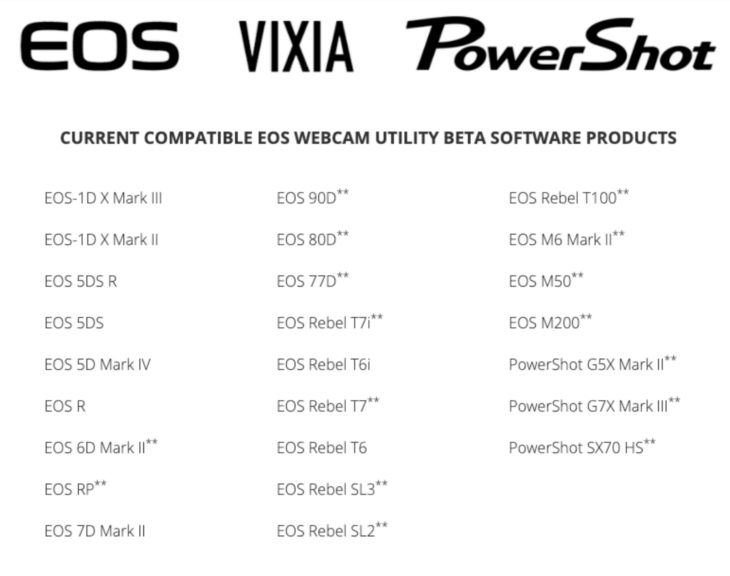
You an download the beta version of the software here. Help can be found in the Canon support forum. These Canon gear is supported:

Canon EOS Webcam Utility
Click here to open the rest of the article