Dynamic range, tonality, sharpness and detail, high ISO, auto focus, and video in 4K and 1080p modes, they’re all put under scrutiny. There is one camera that apparently fails on a lot of categories. Guess which?
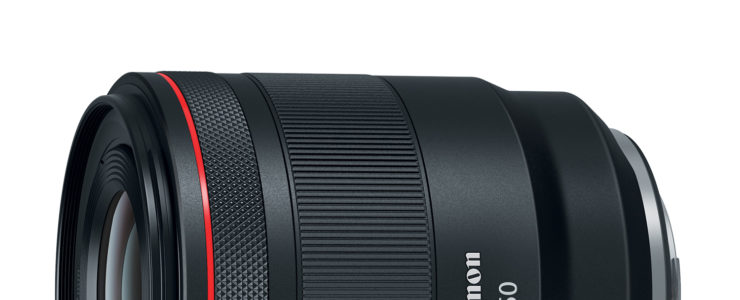
Optical Limits (formerly known as photozone.de) reviewed the [shoplink 53675]Canon RF 50mm f/1.2L[/shoplink] lens for the EOS R system.
From the conclusion:
[…[ it is quite obvious that the Canon RF 50mm f/1.2 USM L is an awesome lens … with a similar awe-inspiring price tag. In relation to other lenses in this class, the performance is already superb at f/1.2. Yes, the outer image region is not truly stellar but it’s impressive nonetheless. The image quality is extreme at medium aperture settings – across the image frame that is. Low lateral CAs contribute to the very high image quality perception. Image distortions are generally no issue. Vignetting is though – at least in its uncorrected state. There is some heavy light-falloff at f/1.2 and f/1.6 but to be fair – that’s to be expected. Most users will not (should not?) buy the lens for its sharpness but for its shallow depth-of-field capabilities. While not truly exceptional, the bokeh is very good with a smooth rendition in the focus transition zone. Out-of-focus highlights are nicely rendered in the image center, less so towards the image corners. However, that’s a physical limitation really. We were also very impressed by the very low bokeh fringing. Yes, you may spot some traces at f/1.2 but it’s not really relevant anymore from f/1.6 onward – and that’s a very rare characteristic. Read the review…
Optical Limits gives it a “highly recommended” rating.
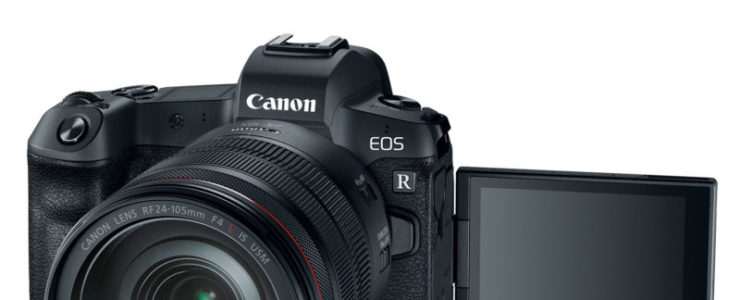
Like most new Canon cameras, the initial reaction for many is to be underwhelmed. It is sometimes easy to overlook the areas where Canon is quietly innovating (the sensor protecting “shield” and control ring on the RF lenses/adapter are genuinely useful innovations) because of the obvious areas where Canon is lagging (no IBIS, video quirks, lower frame rate, single card slot). Typically Canon cameras prove to be better cameras than their specs, however, and I do think that will be the case here. What’s somewhat atypical, however, are the ergonomic fails of the EOS R, as that is typically an area of strength for Canon. In this case an attempt to be innovative (the touch bar) actually proved to be a fail (at least from my perspective). If you are using a camera on a regular basis, however, you typically learn ways to get it to do what you want it to do, and Canon has allowed for a higher degree of customization on this camera than is typical for them. The excellent touchscreen also helps in this regard. I also think that Canon has implemented the best grip I’ve found in a mirrorless camera yet.
Dustin’s review comes with a huge set of sample photos and all sort of tests and analysis. If you prefer to watch the review, the video below tells you everything Dustin has to say about the EOS R.
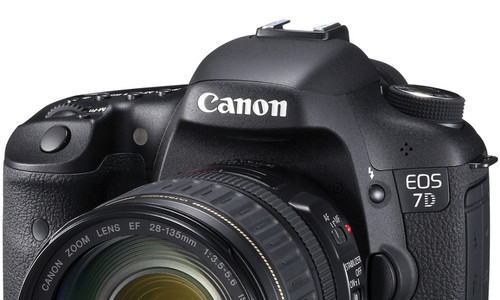
Carl Garrard of Photographic Central reviewed the original Canon EOS 7D. The EOS 7D was a revolutionary camera in some sense, and started Canon’s professional APS-C DSLR lineup.
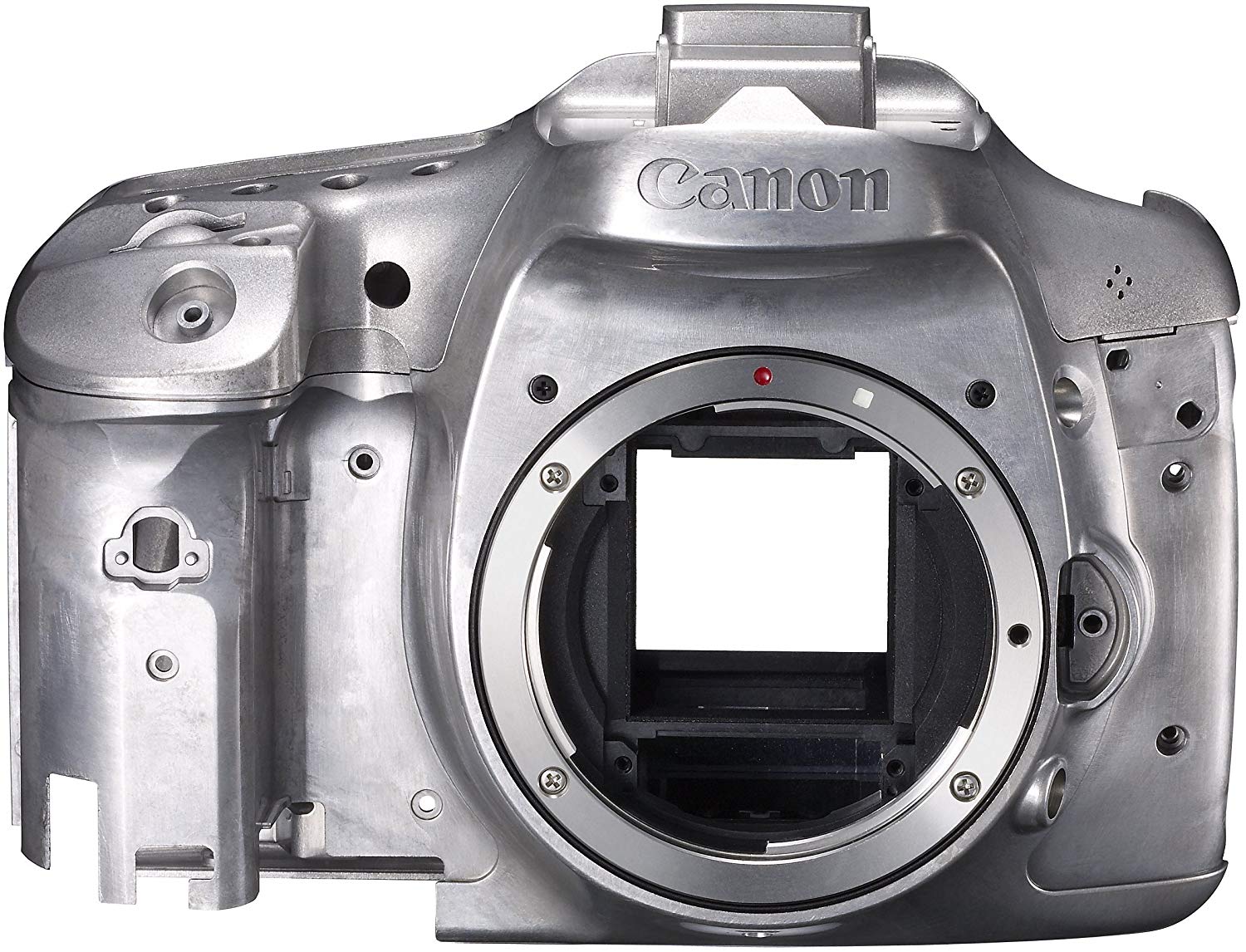
The EOS 7D was released in September 2009, still has a more than respectable specifications sheet. It’s still a camera that’s worth your attention, especially if you consider you can get it for as little as $260. And it’s still the rugged and rock solid camera it has always been. Say’s Carl about the build quality:
[…[ it’s a camera equivalent of a tank. It’s construction is almost 100% magnesium alloy, and feels indestructible and built to last a lifetime. Judging by the huge amount of available second hand 7D’s on the market, it seems this is completely true.
The Canon EOS 7D has a magnesium alloy
About the image quality:
So long as you don’t push shadows in the 7D too far, and get your exposure right, it’s capable of some great quality images for the price. I’d say that this is the area where the 7D shows its age most of all, but that doesn’t mean you can’t make excellent images with it.
He concludes:
So overall the Canon 7D offers a great entry into the semi pro camera world, and you can do so without emptying your wallet. In fact, I’d recommend anyone considering getting into photography to go the used camera route first (after doing some reading and homework) before spending a lot of money on a system. These days you just have too many excellent options to choose from, but if Canon is a system you are interested in, the EOS 7D is definitely worth a look.
Cinema5D’s Johnnie Behiri made a somewhat different review of the Canon EOS R. He took it to an Indian Wedding and made a mini documentary. More field tested than this might be impossible.
Good lowlight quality. Up to ISO 6400 with no issues. Above it, noticeable noise but still usable.
Focus peaking
Swivelled LCD screen
Shutter dust protector – Will automatically be engaged when the camera switches off
Touch and Drag AF (LCD), makes it easy to change focus between given points
Dual Pixel autofocus works well.
Dual Pixel Focus Guide for an easy manual focusing
High Data rate (Up to 480Mbps, All Intra recording)
Excellent battery life
No signs of overheating
Manual audio adjustment and monitoring
4K,10Bit, 4:2:2 over HDMI to an external recording device
Canon Log included (2 variations)
World camera (24, 25, 30p in 4K)
And what he didn’t like so much:
Full Frame camera which unfortunately records 4K video in 1.7x cropped mode
Severe rolling shutter effect
No 4K DCI recording
No internal optical stabilisation system
Take in account that when using the strongest available digital stabilisation option, picture quality will suffer and will become softer
No Zebra
No “Joystick” for smooth and easy focus placement
Focus magnifying won’t work while recoding
8Bit internal recording
High Frame Rate in 720p quality only (120fps)
No autofocus when shooting in High Frame Rate
60p is restricted to Full HD only
The new programable slide touch pad needs to be activated first before operating. Then (in case of assigning it to sound levels) changes can be made by tapping only and not sliding
If you have small hands, holding the camera becomes uncomfortable after a while
This website or its third-party tools use cookies, which are necessary to its functioning and required to achieve the purposes illustrated in the cookie policy. If you want to know more or withdraw your consent to all or some of the cookies, please refer to the cookie policy. By closing this banner you agree to the use of cookies.