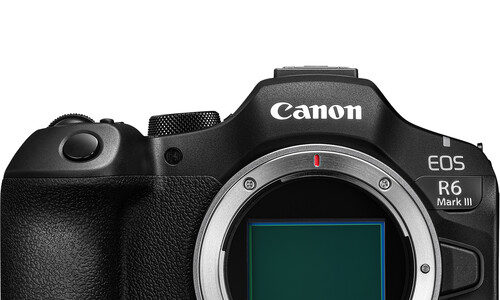
Canon EOS R6 Mark III Review: Mobile01 Calls It a Complete Hybrid

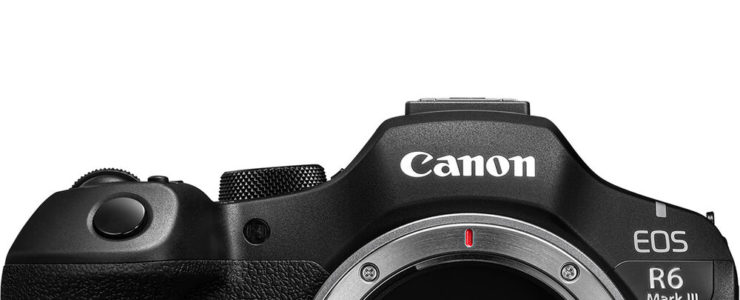
The EOS R6 Mark III has been out since November 2025, and the reviews are starting to roll in. Mobile01 just published their full take (via Asobinet), and it’s pretty glowing — with a couple of caveats.

The Highlights

Sensor & Speed

  • 32.5MP sensor, up from 24.2MP in the Mark II
  • 40fps electronic shutter with pre-burst
  • CFexpress Type B + SD UHS-II dual slots
  • ISO 102400 max — same ceiling despite the higher resolution
  • ISO 6400 excellent, ISO 12800 usable

Video

  • 7K Open Gate recording — shoot once, reframe in post
  • Full-size HDMI Type-A (finally)
  • USB 3.2 Gen 2 with power delivery
  • Multi-function hot shoe with digital audio support

Build & Ergonomics

  • ~670g body with improved heat dissipation
  • Deep Canon-trademark grip, magnesium alloy frame
  • Weather-sealed
  • Vari-angle touchscreen, 3-inch 1.62M dot

Autofocus

  • Subject tracking holds through partial occlusion
  • Pre-register up to 10 people for priority tracking in crowds

The Weaknesses

  • Rolling shutter on fast subjects using electronic shutter
  • Strong crop when using electronic IS in video mode
  • No IBIS performance figures quoted in the review

The Verdict

Mobile01 calls it “a highly competitive hybrid with few weaknesses” — strong in both stills and video, with real-world improvements that matter. The 7K Open Gate and full-size HDMI alone are significant wins for hybrid shooters.

Pricier than the Mark II at launch — but you’re getting a meaningfully upgraded camera.

More Canon EOS R6 Mark III coverage.

Source: Mobile01 via Asobinet

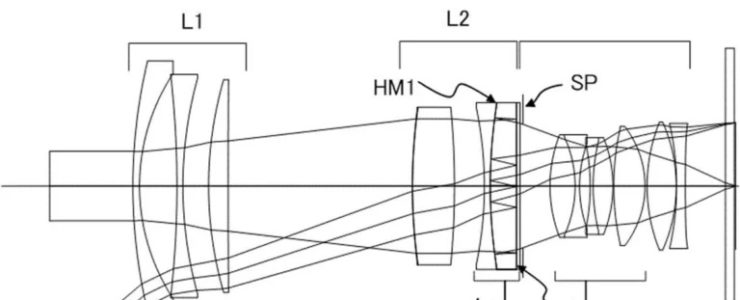
Canon Patent: 28-45mm f/1.2 and 35-70mm f/1.4 Zoom Lenses With Reflective-Transmissive Elements

Canon just dropped a new patent, and it’s making us raise an eyebrow. Published February 27, 2026 (filed August 2024), the patent describes zoom lenses with apertures ranging from f/1.2 to f/1.4 — using reflective-transmissive (mirror) elements to keep things compact.

The Patent Details

The filing (P2026033938) covers several implementations:

  • Example 2: 28-45mm f/1.2 — backfocus 0.40mm
  • Example 3: 28.5-45mm f/1.4 — backfocus 0.40mm
  • Example 5: 35-70mm f/1.4 — backfocus 0.70mm

Example 2

  • Focal length: 28.00-45.00
  • F-number: 1.20
  • Half angle of view: 37.26-25.33
  • Image height: 21.30
  • Total length: 222.37-171.73
  • Back focus: 0.40

Example 3

  • Focal length: 28.50-45.00
  • F-number: 1.40
  • Half angle of view: 35.22-25.68
  • Image height: 20.12-21.64
  • Total length: 189.76-137.77
  • Back focus: 0.40

Example 4

  • Focal length: 15.40-36.01
  • F-number: 1.42
  • Half angle of view: 36.86-20.54
  • Image height: 11.54-13.49
  • Total length: 165.18
  • Back focus: 0.40

Example 5

  • Focal length: 35.70-68.00
  • F-number: 1.40
  • Half angle of view: 28.55-17.65
  • Image height: 19.42-21.64
  • Total length: 227.59
  • Back focus: 0.70

That’s… extremely short backfocus. Like, “we’re not talking about RF mount” short.

Wait, What?

For context, RF-mount lenses need a backfocus of around 20mm+ to clear the mirror. These numbers — 0.40mm and 0.70mm — are barely enough to clear a sensor. This suggests the optical design is intended for:

  • Compact cameras — where the lens sits directly on or very close to the sensor
  • Surveillance cameras — where catching every photon matters more than shallow DoF
  • Cinema sensors — some have extremely short flange distances

Not interchangeable lenses. Canon confirmed this in the filing notes: “backfocus is extremely short so this is not intended for interchangeable lens systems.”

But Here’s The Fun Part

Canon previously filed similar patents for prime lenses using the same reflective-transmissive technology — a 24mm f/0.7 and a 12mm f/1.0. Those were weird enough. Now they’re applying the same trick to zooms, going even wider and faster. A 28-45mm f/1.2 zoom would be absolutely enormous if built with conventional optics. The mirror elements fold the light path, dramatically shrinking total length.

Our Take

Is this coming to an RF-mount lens? Almost certainly not. The backfocus is physically incompatible.

Could this be a hint at future compact camera ambitions? Maybe. The G7 X line is due for a replacement, and a 28-45mm f/1.2 equivalent in a pocketable body would be something to see.

Or maybe Canon just likes filing patents for lenses they’ll never build. We’ve seen stranger things.

Source: Asobinet

Canon Rumors Update: CP+ Concept Camera, RE-1 Retro, and R3 Mark II

canon eos r7 mark ii canon rumors EOS R6 Mark III

Or: Canon Finally Discovered That Nostalgia Sells

It’s been a week since the last rumor roundup, and Canon decided that wasn’t enough chaos. Between CP+ 2026 revelations and fresh leaks about their 2026 roadmap, there’s a lot to unpack. Let’s dive in.


1. The CP+ 2026 Concept Camera: Canon Built a Hipster’s Dream

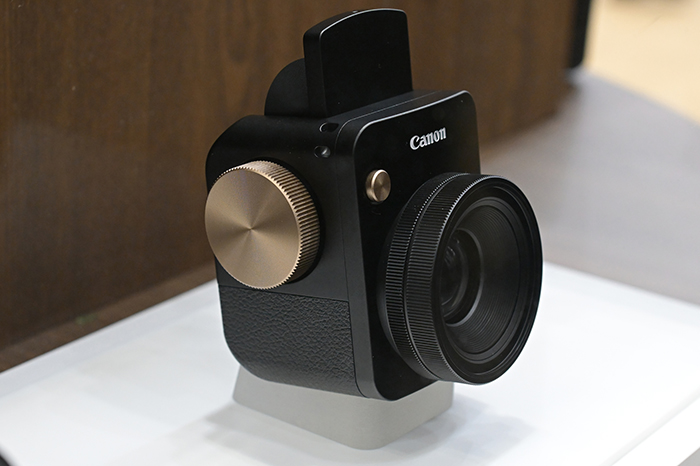
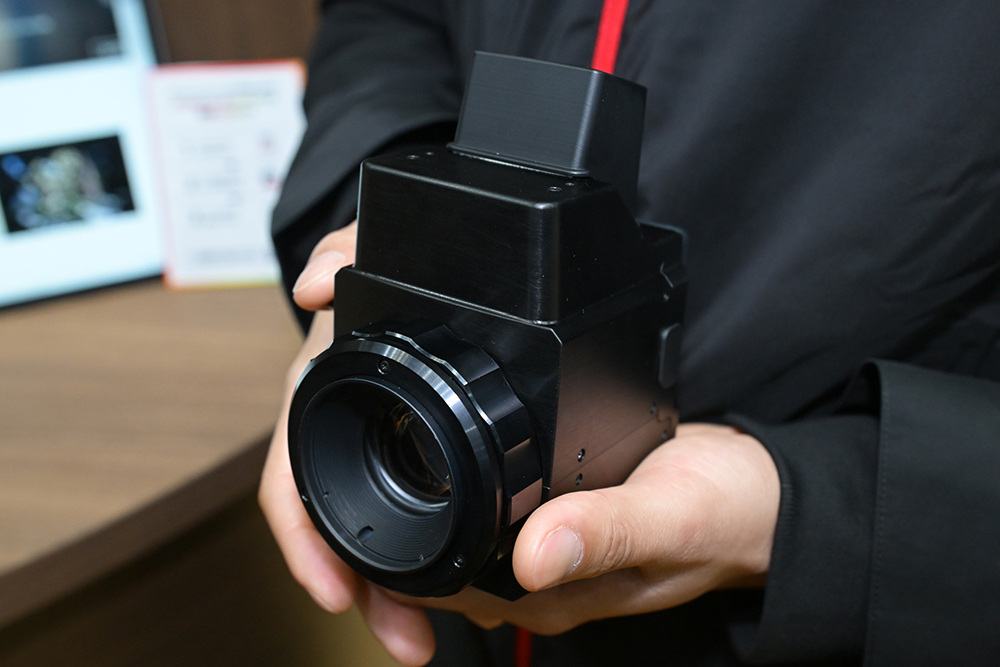
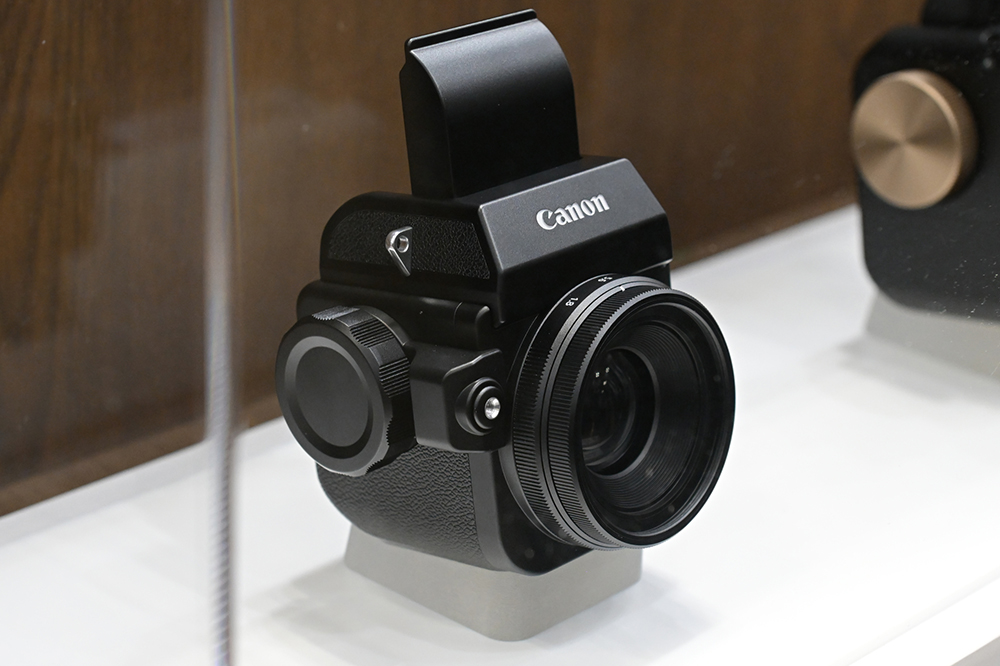
Canon showed up to CP+ 2026 with something nobody expected: a working concept camera that looks like it time-traveled from 1965.

What It Is

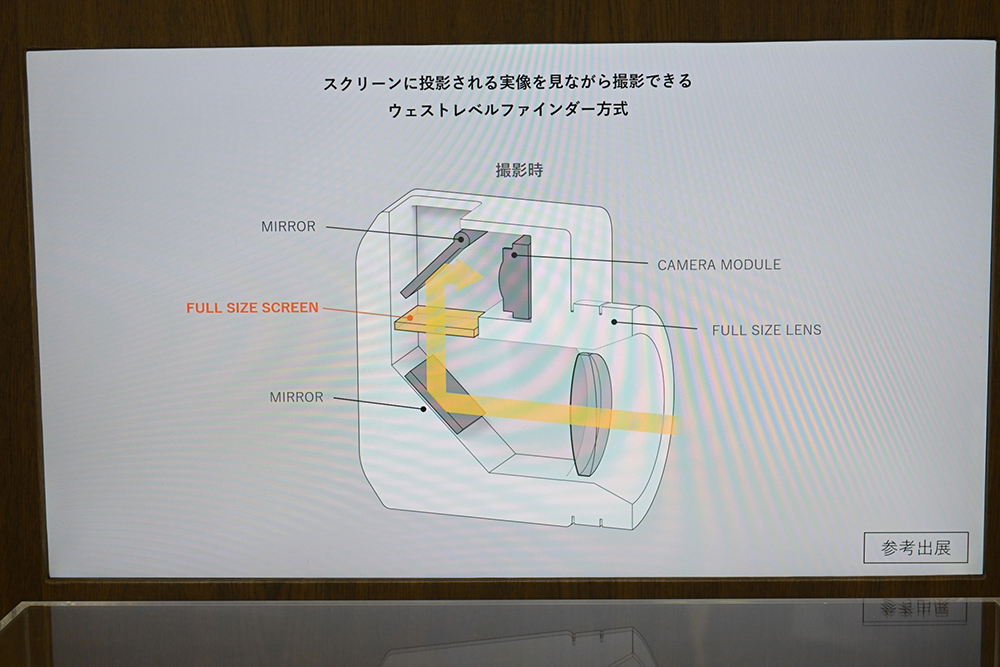
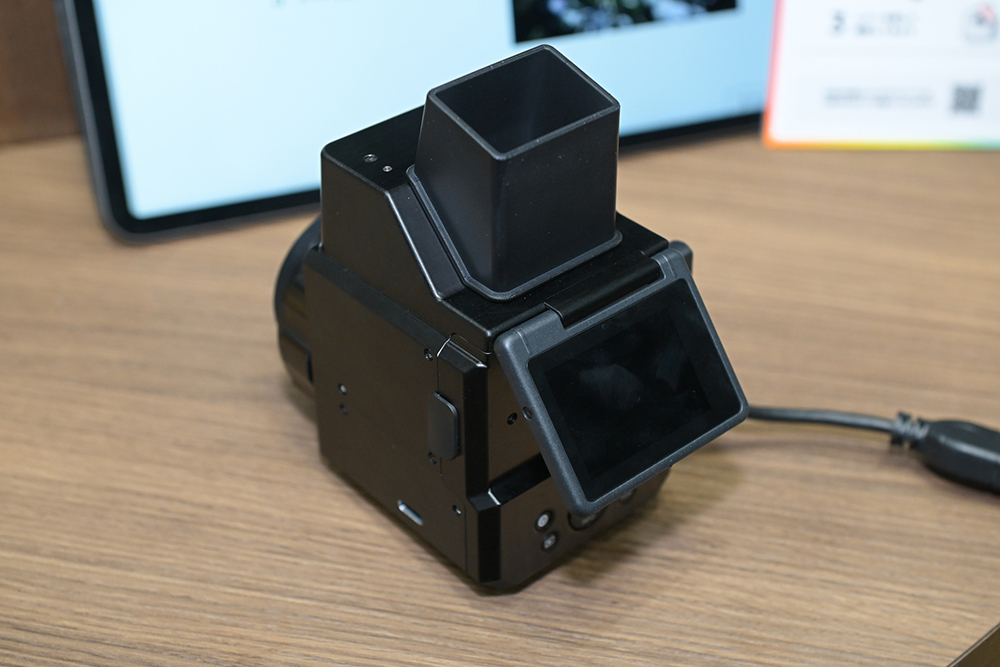
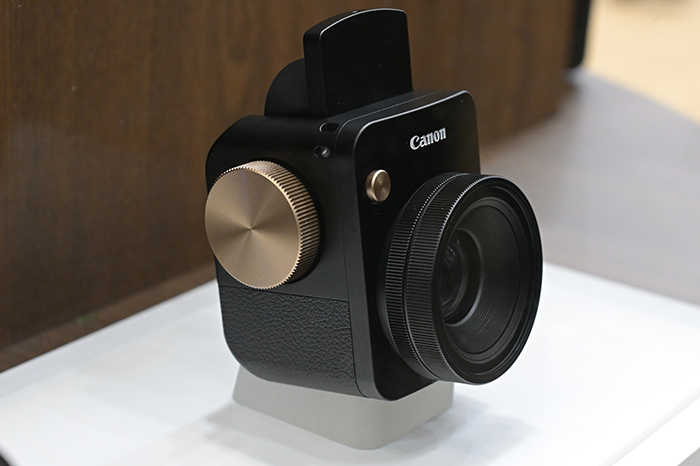
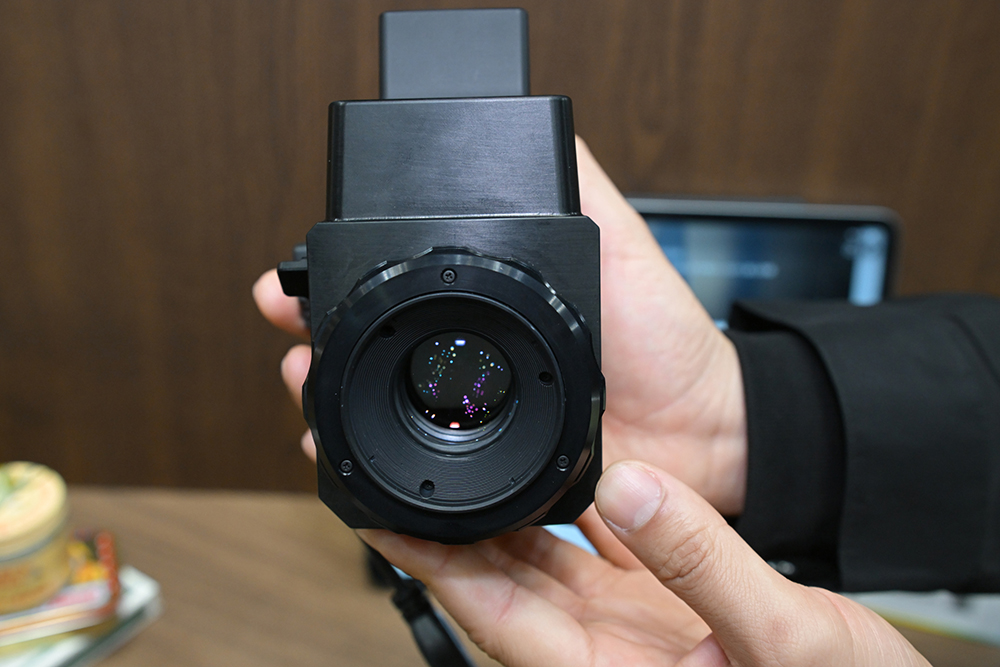
The “Analog Concept Camera” is a waist-level viewing camera that borrows its soul from the Hasselblad 500 and Seagull 4. Metal body. Box shape. No giant EVF hump. No flip-out touch screen. No mode dial screaming P/A/S/M.

What it has instead:

  • Waist-level optical viewfinder — not digital, actual mirrors
  • Manual focus only — because apparently autofocus is for the weak
  • 1-inch 6MP sensor — yes, six megapixels, this is not a typo
  • Fixed f/1.8 prime lens — non-interchangeable
  • USB-C port — the only concession to living in 2026

The Optical Trick

Here’s where it gets weird. Canon didn’t just slap a film simulation filter on a digital sensor. They built a dual-mirror optical system:

  • Light enters through the lens
  • First mirror reflects it upward
  • Second mirror projects it onto the waist-level viewfinder’s ground glass

You see actual optical depth of field. Actual bokeh. Not a digital preview.

When you press the shutter (well, flip the side lever), the mirrors switch positions and the sensor captures the image projected on the glass, not direct light from the subject. Canon claims this produces a more “film-like” rendering.

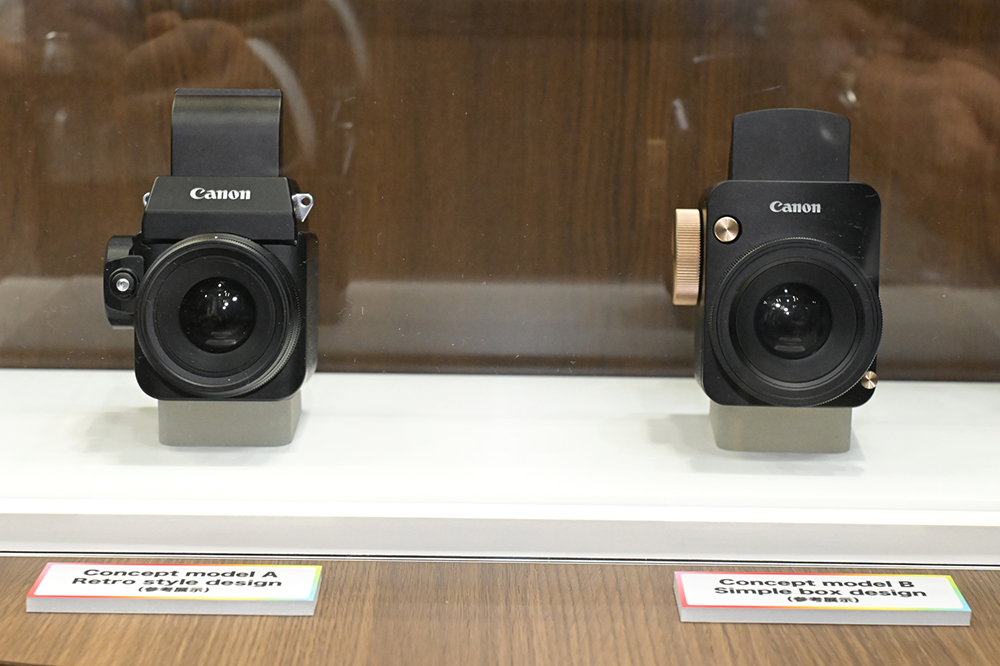
Two Designs Shown

  • Retro version: Angular, boxy, metal texture like a 1960s medium format SLR
  • Modern version: Rounded, slightly more contemporary

My Take

This is Canon throwing elbows at Fujifilm. The X100 series and Instax Evo proved that young buyers don’t care about dynamic range charts — they care about whether the camera looks cool on Instagram. Canon’s response: “You do rangefinder styling? Watch us do waist-level viewing.”

It’s a concept, so it may never ship. But the fact that Canon built a working prototype suggests they’re seriously exploring the “analog experience” market. Reddit is already divided between “this is pretentious garbage” and “shut up and take my money.”


2. EOS RE-1: The AE-1 Tribute We’ve Been Waiting For

The rumor mill has been whispering about Canon’s retro full-frame camera for months. Now we have actual specs.

What We Know

SpecRE-1 (Rumored)
Sensor32.5MP Full-Frame CMOS (same as R6 Mark III)
ProcessorDIGIC X (entry-level variant)
VideoSeverely cut down — this is a photo camera
Price~$1,999 (significantly below R6 III’s $2,799)
ReleaseQ4 2026 / Q1 2027
DesignAE-1 inspired, metal body, leather texture

The Strategy

This isn’t a technical showcase. It’s a market play. Nikon proved with the Zf that there’s serious demand for “modern sensor, retro body” cameras. Canon’s response is to give you R6 III image quality in a package that looks like your dad’s 1976 AE-1.

The timing is deliberate: 2026 marks the AE-1’s 50th anniversary.

What Gets Cut

To hit that $1,999 price point while using a premium sensor, something had to give:

  • Video features will be minimal (no 7K, no open gate)
  • Processor is entry-level DIGIC X, not the accelerated version
  • Burst rates likely capped below R6 III

The pitch: “A camera for people who just want to take photos.” Which, honestly, sounds kind of refreshing.

Matching Lenses

Canon is rumored to launch two retro-styled lenses alongside the RE-1. Likely existing optics with vintage exterior designs. Probably a zoom and a prime. L-series red rings? Probably not.


3. EOS R3 Mark II: Global Shutter Confirmed

Remember when the internet said the R3 Mark II “probably won’t ever exist”? Good times.

What’s Confirmed

Multiple sources now agree: Canon is testing a global shutter sensor for the R3 Mark II. This is the same technology Sony used in the A9 III — zero rolling shutter, zero jello effect, perfect for sports.

SpecR3 Mark II (Rumored)
SensorGlobal Shutter CMOS (Sony A9 III inspired)
ProcessorDIGIC X Mark II (new generation)
AF SystemEye-Control AF 2.0 with AI enhancement
EVF5.76M-dot OLED (same as R1)
Video6K/120p RAW internal recording
ReleaseFebruary 2026 (Milan Olympics timing)
Price$6,500 – $7,000

Eye-Control AF 2.0

The original R3 introduced eye-controlled autofocus. Version 2.0 adds deeper AI to handle complex scenes — sports, birds in flight, chaos at the finish line. The idea: look at your subject, and the camera locks on.

The Olympics Play

Canon always drops flagship updates around major sporting events. The R3 Mark II is being tested by photographers at the Milan Winter Olympics right now. If it ships in February, it’ll be in pros’ hands before the games end.


4. Lens Roadmap: VCM Everywhere

Canon’s 2026 lens strategy is clear: VCM motors for everyone.

Confirmed / Coming Soon

LensStatus
RF 14mm f/1.4L VCMReleased Feb 4 — 578g, HYBRID prime series
RF 7-14mm f/2.8-3.5L Fisheye STMReleased Feb 4 — 190° coverage
RF 300-600mm f/5.6L IS VCMComing 2026 — fills the $3K-$10K gap
RF 24-70mm f/2.8L IS VCM IIUpdated with VCM motor
RF 28mm f/1.4L VCMPlanned for HYBRID series
RF 70-180mm f/2.8 STM“Budget trinity” alternative
RF 400mm f/2.8L IIWorld Cup / Olympics timing
RF 600mm f/4L IIWorld Cup / Olympics timing

The RF 300-600mm f/5.6L VCM Story

This lens has been rumored in various forms for years — 200-500mm f/4, 150-600mm f/5.6, back to 300-600mm f/5.6. The current consensus:

  • Constant f/5.6 aperture
  • L-series optics with fluorite elements
  • VCM motor for fast, silent AF
  • Price target: under $10,000
  • Weight: significantly lighter than the 400mm and 600mm primes

Why it matters: Canon currently has nothing between the $3,000 RF 100-500mm and the $13,000+ supertele primes. Nikon and Sony have been eating Canon’s lunch in this segment.


5. Compact Camera Revivals

Because apparently 2026 is the year of “everything old is new again”:

CameraNotes
PowerShot G7 X Mark IV1-inch sensor, 4K 60p, aimed at vloggers
PowerShot SX750 HSTravel zoom revival
PowerShot V3G3 X-style compact with EVF
PowerShot V10 Mark IIUpdate to 2023’s V10

The G7 X series in particular has surprisingly stable demand despite smartphones eating everyone’s lunch. Canon apparently sees enough market to justify an update.


The Big Picture

Canon’s 2026 strategy is becoming clear:

  • Flagships get serious — R3 Mark II with global shutter, no compromises
  • APS-C gets love — R7 Mark II and R10 Mark II finally shipping
  • Retro is money — RE-1 for the AE-1 nostalgists, concept camera for the experimental crowd
  • Lenses for everyone — VCM motors across the line, budget STM options, super-tele gap filled
  • Compacts aren’t dead — G7 X and SX series get updates

The question isn’t whether Canon has products. It’s whether they can ship them on time.


Sources: PhotoRumors (CP+ concept), CanonRumors (RE-1, lenses), The New Camera (R3 II, PowerShot), via ITHome, Sina, Sohu

Announcement: Sigma 15mm f/1.4 DC | Contemporary for Canon RF Mount

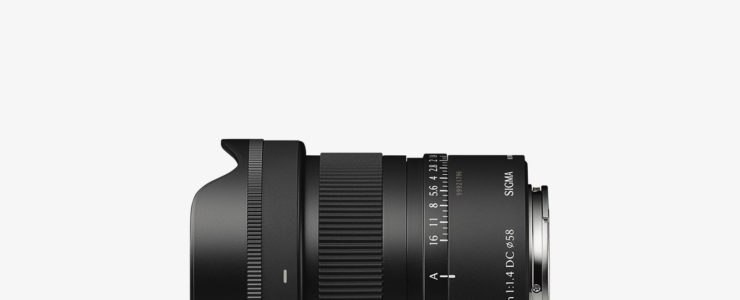
Sigma has officially announced the Sigma 15mm f/1.4 DC | Contemporary lens for Canon RF mount, alongside Sony E-mount and Fujifilm X-mount versions.

Press Release

Sigma 15mm f/1.4 DC | Contemporary is the successor to the Sigma 16mm f/1.4 DC DN | Contemporary, further refining the acclaimed optical performance while achieving remarkable compactness and lightweight design.

Key Specifications

  • Lens construction: 11 elements in 13 groups (1 FLD, 3 SLD, 3 aspherical)
  • Angle of view: 86.9°
  • Aperture: 9-blade circular diaphragm
  • Minimum aperture: F16
  • Minimum focus distance: 17.7cm
  • Maximum magnification: 1:7.9
  • Filter size: 58mm
  • Dimensions: 64.0mm × 64.8mm
  • Weight: 220g

Price & Availability

  • Price: $579
  • Release date: March 12, 2026
  • Pre-orders begin: February 26, 2026 at 10:00 AM (Sigma Online Shop)

Source

Sigma Japan Press Release

Latest Canon Rumors: The Triple Crown of Speculation

canon eos r7 mark ii canon rumors EOS R6 Mark III

Or: How I Learned to Stop Worrying and Love the Rumor Cycle.

Hi, i am back.


1. EOS R3 Mark II: The One That Came In From the Cold

The claim: Dual native resolution (54MP/24MP), back-illuminated stacked sensor, 80% better sensitivity, 40fps (90fps in 24MP mode!), 9K 60p RAW video, and a quad-pixel AF system that makes your current camera look like a pinhole in a shoebox.

Source: A Weibo account called “Camera Beta”, yes, the same source that half the internet dismissed as fantasy fiction translated through Google Translate.

The twist: Here’s where it gets delicious. CanonRumors’ own editor previously said this camera “probably won’t ever exist.” That aged like milk in the Sahara. Because as of February 18, multiple outlets, ITHome, Sina, Sohu, DoNews, all confirmed that Canon is actively testing the R3 Mark II at the Milan Winter Olympics. Real camera. Real photographers. Real NDAs that are probably longer than the Italian constitution.

Camera Beta, the source everyone mocked? Turns out they were right. The dual resolution specs, the quad-pixel AF, the absurd video capabilities, all corroborated. Sometimes the conspiracy theorist is the one who landed on the moon.

What we know:

  • Dual native resolution: 54MP for detail, 24MP for speed, switch on the fly
  • 40fps at full resolution, 90fps in 24MP mode (sports photographers, breathe)
  • Pixel-binning in 24MP mode delivers ~80% better sensitivity than the original R3
  • Quad-pixel CMOS AF: four photodiodes per pixel, dual cross-type AF across all 54 million pixels
  • 9K 60P and 6K 120P RAW video, internally recorded, with full-pixel AF maintained
  • Described as a “multimedia refresh”, not a high-res R1, but its own beast entirely

My verdict: Canon built a camera that can’t decide if it wants to be a studio monster or a sports demon, so it said “why not both?” The engineering is genuinely impressive, if the real-world performance matches the spec sheet. The fact that it’s being field-tested at the Olympics suggests Canon isn’t just dreaming. They’re shipping prototypes to people who will actually yell at them if the AF misses a slalom turn.

The irony? The camera the internet said couldn’t exist is now being tested at an event the entire internet is watching.


2. EOS R7 Mark II: The Sure Thing

Status: Happening. Not “probably.” Not “sources say.” Happening.

The FCC filing (DS126933) landed December 17, 2025, with a 180-day confidentiality window pointing straight at June 2026. Multiple Chinese outlets, ITHome, Sohu, Tencent, Fengniao, independently confirmed a May-June announcement window. CanonRumors gave it 99% confidence, which is basically a press release wearing a trench coat.

What we know:

  • 39-40MP BSI (possibly stacked) sensor, a massive jump from the current R7’s 32.5MP
  • DIGIC Accelerator processor (the same silicon wizardry from the R1)
  • 40fps electronic shutter continuous shooting
  • 8.5-stop 5-axis IBIS
  • CFexpress Type B + SD dual card slots (your wallet just flinches)
  • LP-E6P battery (the grown-up battery)
  • More robust body, closer to R6 series in build
  • RAW video recording

The cameras are already in the wild. Select photographers in Milan and elsewhere are shooting with pre-production units right now, behind NDAs thick enough to stop a bullet.

My verdict: If you’re sitting on an original R7 waiting for a sign, this is your sign. The Mark II is the real deal, and it’s coming in weeks, not months. The only question is whether it gets a stacked sensor (making it a mini-R1) or “just” a BSI sensor (making it merely excellent). Either way, this will be Canon’s biggest APS-C launch in years.

Just don’t buy an R7 at full price right now. Seriously. Don’t.


3. EOS R10 Mark II: The Patient One

Status: Coming in 2026, but don’t hold your breath for spring.

While the R7 Mark II gets the red carpet treatment, the R10 Mark II is waiting backstage like the understudy who knows their time will come. Multiple sources (ITHome, Sina, Sohu, all reporting on February 14) confirm Canon plans to release it in 2026, targeting entry-level buyers in China, India, and other emerging markets.

What we know:

  • Canon’s own financial reports flag “increasing entry-level APS-C sales” as a 2026 priority
  • Will NOT launch simultaneously with the R7 Mark II (Canon learned that lesson)
  • Likely inherits the current R7’s 32.5MP sensor (cost-effective upgrade)
  • Market positioning near the EOS R50/R100, this is a volume play, not a spec war
  • No shared components with the R7 Mark II

What we don’t know: Basically everything else. Video specs, AF system, price point, all TBD. Canon isn’t even pretending to leak details about this one.

My verdict: This isn’t a rumor so much as a strategic inevitability. Canon needs a cheap APS-C body to compete in markets where a camera costs more than a month’s salary. The R10 Mark II will exist because spreadsheets demand it. The only drama is whether it gets the 32MP sensor (making it genuinely compelling) or the recycled 24MP (making it a firmware update with a new serial number).

Expected: Q3-Q4 2026. Set your calendar and then immediately forget about it.


Bonus: The Lenses That Actually Exist

While the rumor mill churns, Canon quietly dropped two actual products you can buy with actual money:

RF 14mm f/1.4L VCM

  • Weight: 578g, absurdly light for a 14mm f/1.4 L-series
  • Construction: 13 groups, 18 elements (1 fluorite, 1 UD, 1 BR, 3 GMo aspherical)
  • Coatings: ASC + SWC dual coating (Canon throwing everything at flare suppression)
  • Motor: VCM (Video Creator’s Motor, basically), the sixth HYBRID series prime
  • Available: Late February 2026
  • More here…

The sixth lens in Canon’s HYBRID series, covering 14mm to 85mm in fast primes. Astrophotographers are already hyperventilating. At 578g, this thing weighs about the same as competing f/1.8 lenses while being a full stop faster. The “bulb” front element means no front filters, but there’s a rear gel filter holder. Welcome to ultra-wide life.

RF 7-14mm f/2.8-3.5L Fisheye STM

  • FOV: 190 degree circular fisheye (yes, it can technically see slightly behind itself)
  • Feature: Insertable ND filter slot, a godsend for video shooters
  • Motor: STM (silent, smooth, video-friendly)
  • Available: Late February 2026
  • More here…

A 190-degree field of view. This lens can see things that are behind it. Let that sink in. Canon’s first native RF fisheye zoom, and they went full chaos mode with the coverage.


The Big Picture

Canon in early 2026 is serving a three-course meal:

Appetizer: Two genuinely excellent lenses that you can order right now. The 14mm f/1.4 is a statement piece, Canon’s HYBRID lens system is maturing into something special.

Main course: The R7 Mark II is coming in May-June with specs that should make every APS-C shooter pay attention. FCC filings don’t lie, and neither do 40 independent Chinese tech outlets saying the same thing.

Dessert (flamed at the table): The R3 Mark II exists, it’s being tested at the Olympics, and the specs are genuinely wild. Dual native resolution in a single sensor is the kind of engineering flex that makes other manufacturers nervous. Whether it ships this year or next, Canon is clearly working on something that doesn’t fit neatly into any existing product category.

The lesson? Don’t mock the Weibo leakers. Sometimes “Camera Beta” knows more than the editors who built careers on “trust me, bro.”


This post was written with 97% irony, 3% genuine awe at a sensor that can’t decide how many megapixels it wants to be, and 0% affiliate links. Okay, maybe a few affiliate links. A writer’s gotta eat.

Last updated: 2026-02-22

Canon EOS R6 Mark III Review (very impressive evolution, D. Abbott)

canon eos r6 mark iii

Canon EOS R6 Mark III at a glance:

  • 32.5MP Full-Frame CMOS Sensor
  • 7K 60p 12-Bit Internal RAW Light Video
  • Open Gate 7K 30p, High-Speed 4K 120p
  • Dual Pixel CMOS AF II & Movie Servo AF
  • Up to 40 fps & Pre-Continuous Shoot Mode
  • 8.5-Stop 5-Axis Image Stabilization
  • 3.69m-Dot OLED EVF with OVF View Assist
  • 3″ 1.62m-Dot Vari-Angle Touchscreen LCD
  • CFexpress & SD UHS-II Memory Card Slots
  • Multi-Function Shoe, Wi-Fi and Bluetooth

After some time I am happy to feature again a review by a reviewer I consider to be one of the most reliable out there. If you are on the fence for the Canon EOS R6 Mark III, this is the review to read.

Dustin Abbott posted a comprehensive review about the new Canon EOS R6 Mark III. The review discusses every aspect of the EOS R6 III, from sensor performance to dynamic range. Test pics, charts, ISO comparison, image quality analysis, it’s all there and there won’t be any question left after you read Mr. Abbott’s review on his webiste, so that you do not miss anything.

From Mr. Abbott’s conclusion:

[…] the Canon EOS R6 MKIII a very impressive evolution of the R6 line. Canon used to be notorious for “crippling” their lower tier cameras to protect the higher tier options, but the R6 MKIII feels like anything but that. It is enough cine camera for most people, and enough sports camera for others, while also managing to be a generally excellent jack-of-all-trades for those who need their camera to do everything. This is very competitive against equivalent options from Sony or Nikon, and definitely justifies its price tag of $2799 USD through its performance.

I remain frustrated by Canon’s prohibitive policies around third-party lenses, making it harder for me to recommend the system as a whole to people despite excellent cameras like this, but if you are someone who prefers to buy first party lenses anyway, that won’t be a restriction for you.

I wouldn’t be surprised to find the Canon EOS R6 Mark III become Canon’s best selling full frame camera over the next few years, as it now has enough resolution to feel acceptable, enough buffer depth and tracking capabilities to make people question the reason to spend more, and enough video performance to allow aspiring filmmakers to choose it over more expensive cine cameras. And, considering that Canon remains the top selling camera brand in the world, I suspect they will move just about as many R6 MKIII’s as they can make.

Seems to be a rather cool piece of gear, the EOS R6 Mark III. As usual with Mr. Abbott’s reviews, there is an exhaustive video version too.

More reviews by Dustin Abbott are listed here.

[via Dustin Abbott]