From Retro Rebels to 600mm Reach: Every Canon Camera and Lens Rumor Worth Believing Right Now
eos r8 mark ii

The EOS R8 Mark II is real, a 300-600mm may be weeks away, and the rumor mill says Canon isn’t done with 2026 yet.

Canon doesn’t do quiet autumns. Fresh off unveiling the retro-leaning, IBIS-equipped EOS R8 Mark II on September 15, the rumor mill is already buzzing about one more announcement day before the year closes; this time, it’s supposed to be all about lenses. Honestly, the leaks coming out of Canon right now read like a photographer’s wishlist: a long-rumored RF 300-600mm f/5.6L that has dealers buzzing, a compact 90mm macro outed by patent filings, Sigma glass quietly landing on the RF mount, and a 40MP-class EOS R7 Mark II that’s been delayed so many times it’s practically folklore. There are even whispers of an R5 Mark III in 2027.

Some of that is solid reporting; some of it is patent tea-leaf reading. And knowing the difference is the difference between buying smart and waiting forever. So let’s sort the near-certainties from the educated guesses: what just launched, what’s almost certainly coming, and what Canon’s rumored pipeline reveals about an RF mount finally entering its maturity phase.


1. The EOS R8 Mark II — Canon Goes Retro (Sort Of)

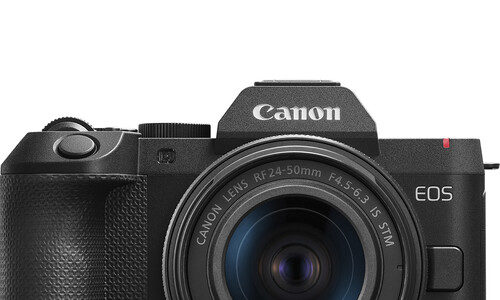
Let’s start with what’s no longer a rumor. On September 15, Canon pulled the cover off the EOS R8 Mark II, and the headline story is the redesign: a flatter-top, angular body that’s clearly courting the retro wave Fujifilm has been riding for a decade. Under the skin, it’s a familiar-but-smarter package. The same 24.2MP full-frame sensor carries over, but in-body image stabilization arrives for the first time at this tier, making this the lightest IBIS-equipped EOS body to date. Canon lists it at roughly 546g with battery and card. Drive speed is genuinely serious for the money: a blistering 40fps electronic shutter with pre-continuous shooting that buffers frames before you fully press the shutter. Price is $1,899 body only and $2,099 in a kit with the RF 24-50mm f/4.5-6.3 IS STM. It ships late October alongside the Speedlite EL-5 Ver.2 ($379) and the optional EG-E2 Extension grip ($99,99). And yes, it keeps a single SD card slot; expect the internet to fight about that for a month.

The rumor-scorecard angle is what makes this launch worth studying. Reportedly, early leaks pointed to a 32.5MP sensor and dedicated manual dials; both were walked back in the final weeks before launch, and neither materialized. That’s a textbook case of how rumors calcify into “fact” and then quietly dissolve. Keep that lesson in mind for everything else in this post.

Why does this camera matter beyond its spec sheet? Two reasons. First, it’s Canon’s clearest admission yet that the Fujifilm aesthetic sells; dials, flat tops, and nostalgia have proven their market. Second, and more importantly, IBIS trickling down to the entry full-frame tier signals the end of stabilization as a segmentation tool. Canon used to treat IBIS as a reason to upsell you to an R6; that era is ending.

One honest caveat: plenty of early readers argue the R8 II reads “modern angular” more than genuine AE-1 homage. If you were hoping for a Nikon Zf-style time machine, temper those expectations.


2. The Super-Telephoto Pipeline — Canon’s Answer to Nikon

If the R8 Mark II was the appetizer, this is where the rumor mill says the year-end announcement will deliver the main course. And it’s aimed squarely at Nikon.

The star is the RF 300-600mm f/5.6L IS VCM, the long-rumored wildlife and sports zoom that follows the playbook of Canon’s beloved (but $9,000-plus) RF 100-300mm f/2.8L: take a professional supertele range and make it a zoom. Rumor mills have been tracking this lens for years and describes its confidence as higher than ever; retail chatter is heating up too, though nobody has official pricing yet. Also on deck: replacements for the RF 400mm f/2.8L and RF 600mm f/4L primes, the workhorses of the sidelines and safari circuit. Multiple sources say those two get announced in late 2026, ship in early 2027, and add a built-in 1.4x teleconverter; that would turn the 400mm into a 560mm f/4 and the 600mm into an 840mm f/5.6 with no accessory needed.

The genuinely intriguing wildcard is a patent: an internal-zoom RF 180-600mm f/6.3L IS design, which was recently spotted alongside 70-135mm f/2L and 200-400mm f/4L concepts in the same filing. Nikon has been quietly owning the affordable supertele space with its lightweight telephotos, the 400mm f/4.5, 600mm f/6.3, and 800mm f/6.3, while Canon’s budget options stop at the 100-400mm zoom and the slow-but-cheap f/11 primes. If this patent becomes a product, Canon’s answer to Nikon wouldn’t be copying their primes. It would be one L-grade internal-zoom lens that replaces all three. Internal zooming also means the lens doesn’t extend while you’re tracking a bird in flight; that’s a genuinely meaningful upgrade over every consumer telephoto in this range.

For wildlife, bird, and budget-sports shooters, the takeaway is simple: the RF mount’s biggest weakness, the lack of credible mid-priced long glass, may finally be closing.


3. Compact Glass and the Third-Party Wave

From the biggest glass on the roadmap to the smallest: the freshest rumor in the pipeline also happens to be the most believable, an RF 90mm f/2.8 IS STM Macro. It’s a non-L lens by design, since the RF 100mm f/2.8L Macro already exists at the top of the range, and the whole point is compact: roughly 100mm long versus 148mm for the 100L. Expected to land under $1000, it is positioned as travel and hiking lens imo.

What makes this rumor unusually solid is the paper trail. It surfaced first it in late September, and the patent evidence has since grown from one design to two, and now to a third design (patent JP-2026-155997). Three independent optical layouts for the same focal length and aperture is about as close to a confirmation as patents ever get. The same reporting suggests a late October or early November announcement, right on schedule for the rumored year-end lens day. Bonus tea leaves: a separate Canon patent also shows 135mm f/2.8 and 180mm f/3.5 macro designs, so this 90mm may just be the first of a small macro family.

Meanwhile, the third-party wave keeps building. Sigma is rumored to be prepping an RF 50-120mm f/2.8 DC OS for APS-C in October; that’s an 80-200mm f/2.8 equivalent, giving the EOS R7 and EOS R10 the classic fast-telephoto zoom they’ve never had. Sigma already sells a licensed lineup of ten-plus RF-mount lenses, so this would be a natural next step rather than a leap. Between Sigma’s expanding RF lineup and Canon’s own push toward smaller, lighter “hybrid” lenses with VCM motors, the RF mount’s early reputation as a walled garden is fading fast.


4. The Long Game — Flagships and the “Unicorn” APS-C Body

Zoom out from this year’s roadmap and the rumors get fuzzier. But arguably more interesting.

The EOS R7 Mark II is, by wide consensus, the most-delayed camera in Canon rumor history. It’s been penciled in for 2025, then 2026, and now points to a Q1 2027 launch around CP+; one Reddit thread counts seven different release-date claims that came and went. When it arrives, the whispers say it gets a roughly 39-40MP APS-C stacked sensor, which would finally match Fujifilm’s high-resolution bodies, plus fast electronic burst shooting with pre-capture. For APS-C shooters who’ve watched the original R7’s 32.5MP sensor age gracefully since 2022, that’s the body worth waiting for. Or waiting again for, as it were.

Beyond that: R5 Mark III whispers point to a 2027 window (late 2026 at the earliest) with a 60MP-plus next-generation sensor and AI-assisted autofocus. The R1 Mark II and R6 Mark IV exist mostly as names and informed shrugs; the most concrete R6 IV chatter says 2027-2028. And the compact front is livelier than it looks: a PowerShot G7 X Mark III successor is reportedly coming before the R7 Mark II, possibly as one of three new Canon compacts, though Digital Camera World’s retailer source claims it may not carry the “Mark IV” name at all. With the current G7 X III still selling faster than Canon can make it, that successor is quietly one of the most consequential items on this whole roadmap.


5. How to Read Canon Rumors Like a Pro

So how do you sort all of this yourself? A quick toolkit, before you repost the next “leak.”

First: take it always with a grain of salt. Second: patents are not products. Canon has placed among the world’s top 10 U.S. patent holders for 41 consecutive years, and first among Japanese companies for 20 years running; it files thousands of designs annually, and the overwhelming majority never become lenses. A patent tells you what Canon is exploring, not what’s shipping.

You can also lean on Canon’s remarkably predictable calendar: big bodies around CP+ in late February, flagship and enthusiast announcements in late August/September, and a lens-focused announcement day in October or November. If a rumor claims a major camera is dropping in July, be skeptical.

And the practical takeaway: if you need a camera today, buy today. With the R8 Mark II shipping in late October at $1,899, the original EOS R8 and the EOS R6 Mark II are already sliding into bargain territory. Waiting for the 300-600mm or the R7 Mark II means budgeting realistically; the lens could be weeks away, but the R7 II means holding out until CP+ 2027.

One last thing, because it always needs saying: everything above except the R8 Mark II is unconfirmed. Rumors are for planning, not for guarantees.


The Bottom Line: What’s Real, What’s Next, and What It All Means

So let’s tally the scorecard. Confirmed and real: the retro-adjacent, IBIS-equipped EOS R8 Mark II, down to its $1,899 price and 40fps burst. Near-locks: the RF 300-600mm f/5.6L, which has dealers buzzing, and the compact 90mm macro, whose three patent designs are the closest thing to a paper trail rumors ever get. Informed speculation: everything stamped 2027, from the 39-40MP EOS R7 Mark II to the R5 Mark III and the big-prime refreshes with their built-in teleconverters.

Thread them together and a single strategy emerges: Canon isn’t chasing headlines anymore. It’s methodically sealing every gap in the RF mount; retro bodies for the heart, compact glass for the bag, and long lenses for the budgets that were always priced out of reach.

Which leaves a question worth sitting with: when a mount has everything, what are you still waiting for? The rumors we choose to believe tend to reveal more about us than about Canon.

So here’s your homework: bookmark this piece and come back after Canon’s year-end announcement; we’ll grade the rumor mill together, leak by leak. Which ones landed, which fizzled, and which we should have seen coming. And drop your Canon wishlist in the comments while you wait; I’ll revisit the best guesses when the next announcement drops. In the meantime, if you’re shopping, remember the one rule that never leaks: a camera that exists today beats a camera that might exist in February.
Canon’s Legendary 24-70mm f/2.8L Might Be Getting a Wider Successor — And Yes, It Would Have VCM

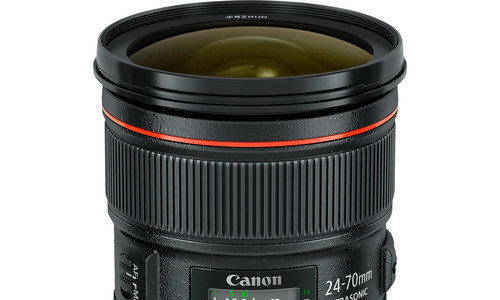
Canon EF 24-70mm f/2.8L II USM

Canon’s Legendary EF 24-70mm f/2.8L Might Be Getting a Wider Successor — And Yes, It Would Have VCM

If you’ve been using the RF 24-70mm f/2.8L IS USM and thinking “this is great, but what if it started at 20mm instead?”— first of all, congratulations on your very specific taste. Second: Canon may be thinking the same thing.

According to rumor source, the next iteration of Canon’s flagship workhorse zoom is reportedly in the works, with sources suggesting it could arrive sometime in 2026. The headline detail: the follow-up lens could be wider than 24mm — with the working hypothesis being an RF 20-70mm f/2.8L IS VCM. The source reportedly didn’t know exactly how much wider, which is either honest uncertainty or a carefully maintained air of mystery. We’ll give them the benefit of the doubt.

VCM: The Acronym of the Moment

Here’s the part that’s actually news: this lens would reportedly be Canon’s first VCM (Voice Coil Motor) zoom lens — a significant step, given that VCM autofocus is widely considered the future of high-performance lens AF. Canon already dropped the RF 14mm f/1.4L VCM ($2,599) in February 2026 — alongside the RF 7-14mm f/2.8-3.5L Fisheye STM ($1,899), which uses a leadscrew-type STM motor — so VCM technology is clearly in production and working in the RF lineup. A VCM zoom would be a new frontier.

Nikon and Sony have already been heading in the VCM direction, and Canon has made no secret of wanting to evolve its RF lineup beyond the traditional USM motor. So a VCM-powered 24-70 successor isn’t just a nice rumor — it fits the roadmap.

The 20mm Difference

For anyone who’s shot wide, the jump from 24mm to 20mm is not trivial. It’s the difference between “that almost fits in frame” and “yes, that absolutely fits in frame.” The RF 20mm f/1.4L VCM prime is already in Canon’s lineup, and those who’ve used it know the focal length has real character. A zoom that starts there — at f/2.8 — would be genuinely exciting for event, wedding, and documentary photographers who live on that lens.

It would not, however, be cheap. Plan accordingly.

Don’t Expect It Tomorrow

The CanonRumors source is confident enough that this lens is coming “at some point this year,” but also notes that no new lens announcements are expected in the next couple of weeks. Attention will likely shift to the EOS R7 Mark II first, expected in the coming months. After that, the L glass pipeline should open up again — and we may start hearing more concrete details about the zoom.

NAB in April is traditionally a Cinema EOS moment, so don’t hold your breath for a 24-70 successor there either. But summer? Fall? A man can dream.

Bottom Line

Confirmed: Canon is moving toward VCM zoom lenses. The RF 7-14mm and RF 14mm f/1.4L VCM are real, shipping, and in the wild.

Rumored (with moderate confidence): A follow-up to the RF 24-70mm f/2.8L IS USM is in the works, likely wider than 24mm, possibly an RF 20-70mm f/2.8L IS VCM.

Speculation: It will cost more than you want to spend, arrive later than you’d like, and you’ll buy it anyway.

Source: CanonRumors

A New Canon Macro Longer Than 100mm With Variable Magnification? Yes Please.

Canon EF 180mm f/3.5L Macro USM Lens

An anonymous source claims that Canon is planning a new macro lens, longer than 100mm, and with variable magnification ratios. No focal length. No aperture. No timeline. Just a dangling carrot for the macro crowd, and honestly? That’s enough to get people excited.

Canon’s Macro Legacy (The Good Old Days)

Let’s take a quick trip down memory lane, because Canon has made some genuinely wild macro lenses in the past.

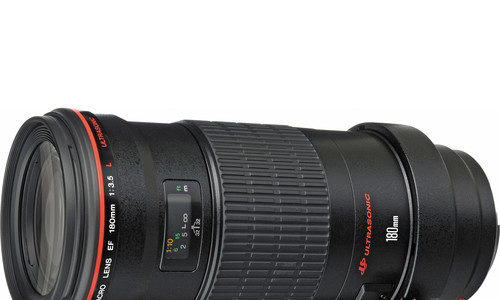
The EF 180mm f/3.5L USM Macro, a telephoto macro that gave you true 1:1 reproduction and a generous working distance, meaning you didn’t have to shove the lens two inches from a bug’s face to get a sharp shot. Beloved by macro shooters. Discontinued. No RF replacement has appeared. Macro fans are still waiting.

The MP-E 65mm f/2.8 1-5x Macro, now this was something special. A manual-focus-only lens capable of magnification from 1:1 all the way up to 5:1. Five times life size. At 5x you’re essentially photographing the cellular structure of a gnat’s wing. A deeply weird lens that attracted a deeply passionate following. Also discontinued. Also without an RF successor.

Both lenses are gone from Canon’s active lineup, but you can still find them new-in-box if you look hard enough.

The New Rumor: Combining the Best of Both

Here’s where it gets interesting. The source suggests a lens that would combine:

  • Focal length longer than 100mm (the 180mm territory)
  • Variable magnification ratios (the MP-E 65mm territory)
  • Potentially with autofocus — which the MP-E 65mm notably lacked

The rumor source floats the idea of something like an RF 200mm f/4L with variable magnification as one possibility. That’s entirely speculative, no specs were provided, but it’s a plausible direction given Canon’s recent RF lens design philosophy.

What About the RF 100mm f/2.8L?

Canon does have a current macro for the RF mount: the RF 100mm f/2.8L IS USM, which features 1.4x maximum magnification (slightly beyond 1:1) and excellent hybrid IS. It’s a good lens. But some shooters have noted a focus shift issue when stopping down, and it doesn’t scratch the itch of the longer working distance crowd or extreme magnification enthusiasts.

A 100mm macro is great. A 180mm+ variable-magnification macro with autofocus would be on a different level entirely.

Fact Check

ClaimStatus
Canon EF 180mm f/3.5L USM existed✅ Confirmed — real lens, now discontinued
Canon MP-E 65mm f/2.8 1-5x existed✅ Confirmed — real lens, MF only, now discontinued
Canon RF 100mm f/2.8L IS USM exists✅ Confirmed — current RF macro, 1.4x magnification
RF 100mm focus shift issue✅ Reported by multiple shooters
New macro longer than 100mm planned❓ Single anonymous source, unverified
Variable magnification on new lens❓ Same anonymous source, unverified
RF 200mm f/4L specifically❓ Canon Rumors speculation, not from source
Timeline❌ None given

The Verdict

Low confidence on specifics, but Canon absolutely should make this lens. The EF 180mm and MP-E 65mm communities were passionate and underserved. A modern RF macro that merges long working distance with variable magnification, and adds autofocus, would be a statement lens.

Whether it actually happens is another question. As Canon Rumors admits, the source is anonymous and confidence is low. But hey, a macro shooter can dream.


Source: Canon Rumors

Canon Rumors Update: CP+ Concept Camera, RE-1 Retro, and R3 Mark II

canon eos r7 mark ii canon rumors EOS R6 Mark III

Or: Canon Finally Discovered That Nostalgia Sells

It’s been a week since the last rumor roundup, and Canon decided that wasn’t enough chaos. Between CP+ 2026 revelations and fresh leaks about their 2026 roadmap, there’s a lot to unpack. Let’s dive in.


1. The CP+ 2026 Concept Camera: Canon Built a Hipster’s Dream

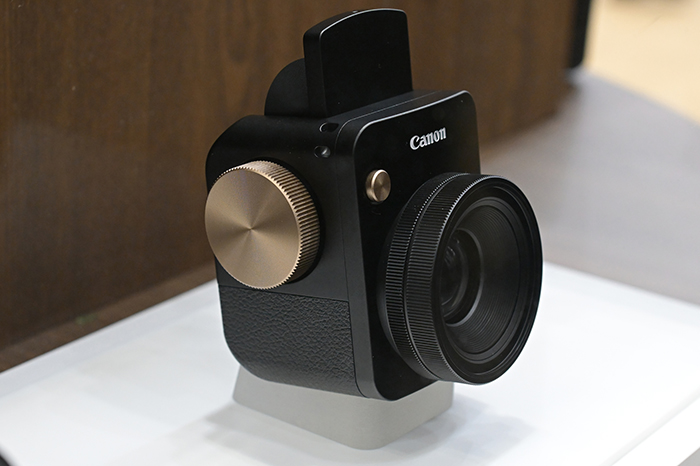
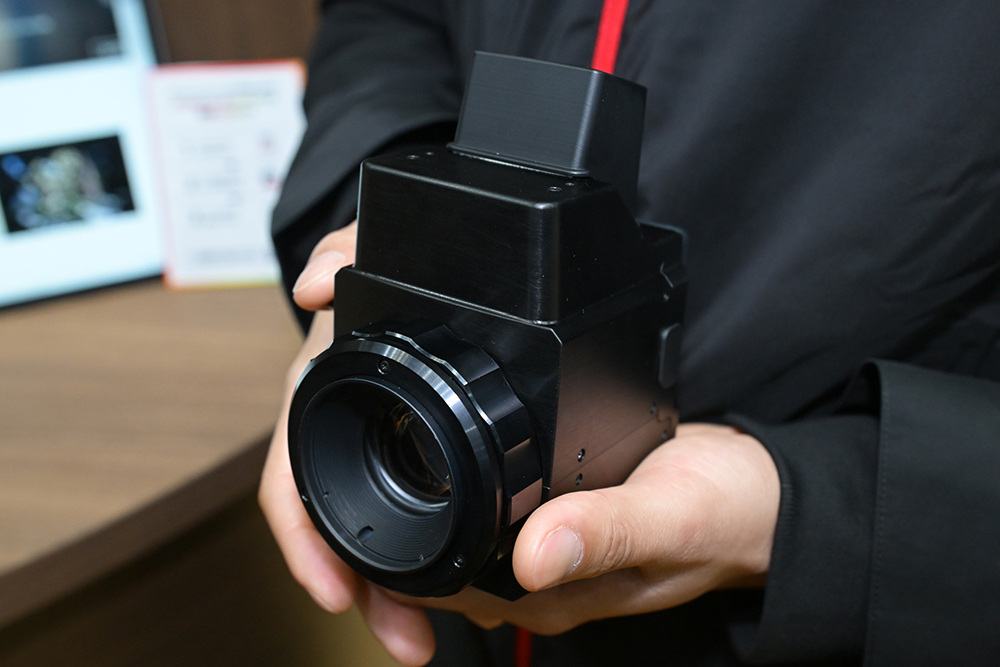
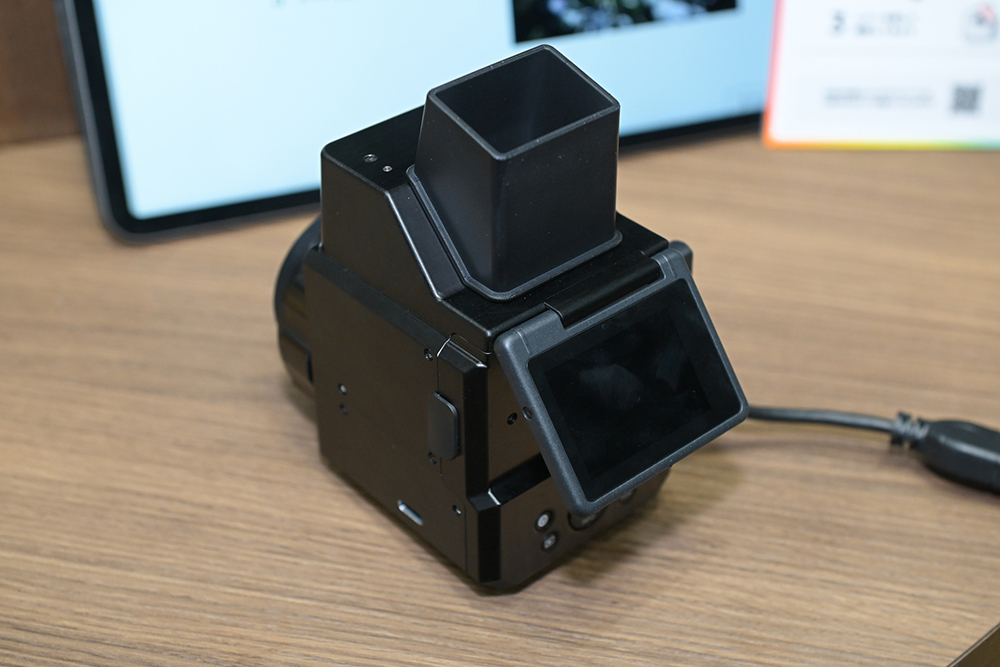
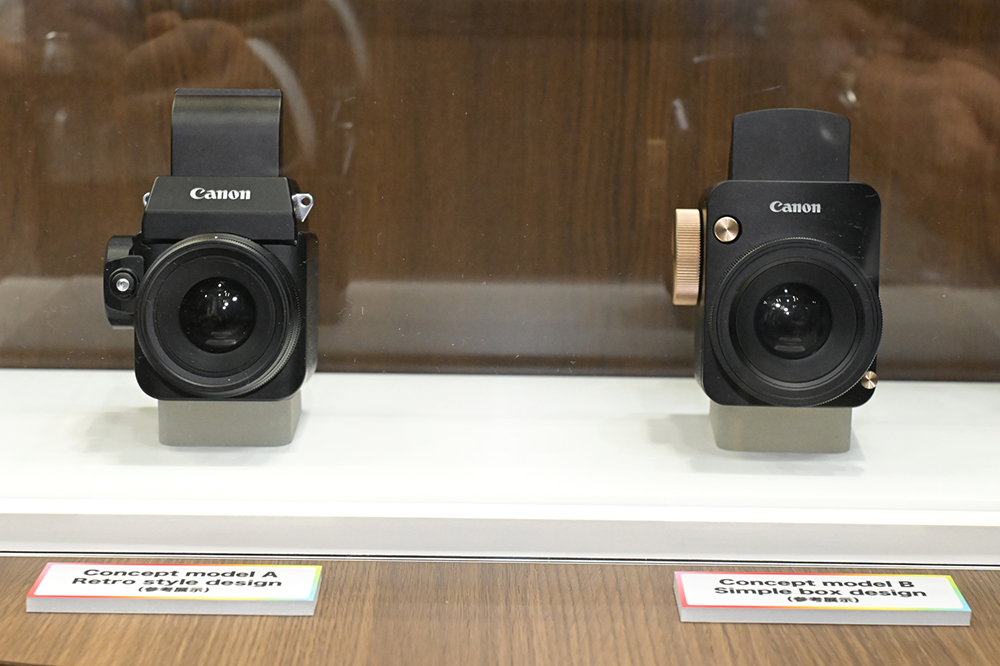
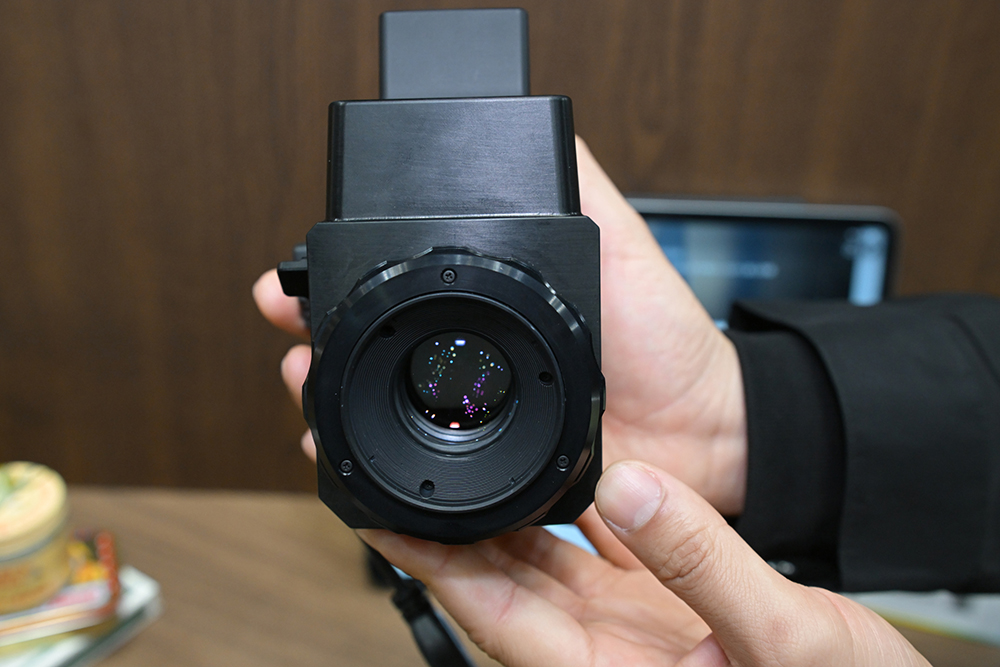
Canon showed up to CP+ 2026 with something nobody expected: a working concept camera that looks like it time-traveled from 1965.

What It Is

The “Analog Concept Camera” is a waist-level viewing camera that borrows its soul from the Hasselblad 500 and Seagull 4. Metal body. Box shape. No giant EVF hump. No flip-out touch screen. No mode dial screaming P/A/S/M.

What it has instead:

  • Waist-level optical viewfinder — not digital, actual mirrors
  • Manual focus only — because apparently autofocus is for the weak
  • 1-inch 6MP sensor — yes, six megapixels, this is not a typo
  • Fixed f/1.8 prime lens — non-interchangeable
  • USB-C port — the only concession to living in 2026

The Optical Trick

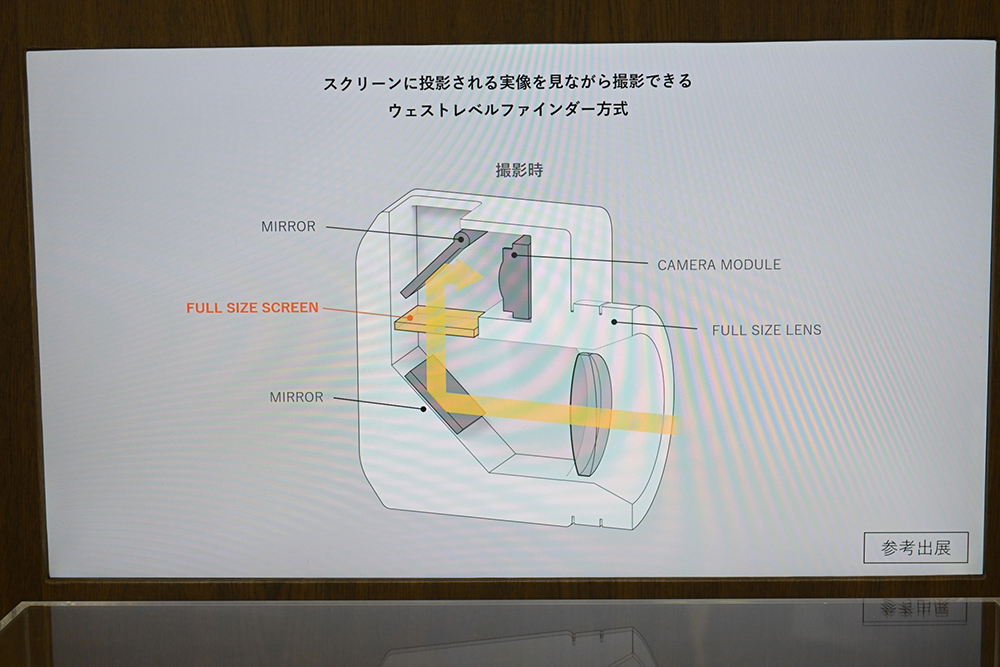
Here’s where it gets weird. Canon didn’t just slap a film simulation filter on a digital sensor. They built a dual-mirror optical system:

  • Light enters through the lens
  • First mirror reflects it upward
  • Second mirror projects it onto the waist-level viewfinder’s ground glass

You see actual optical depth of field. Actual bokeh. Not a digital preview.

When you press the shutter (well, flip the side lever), the mirrors switch positions and the sensor captures the image projected on the glass, not direct light from the subject. Canon claims this produces a more “film-like” rendering.

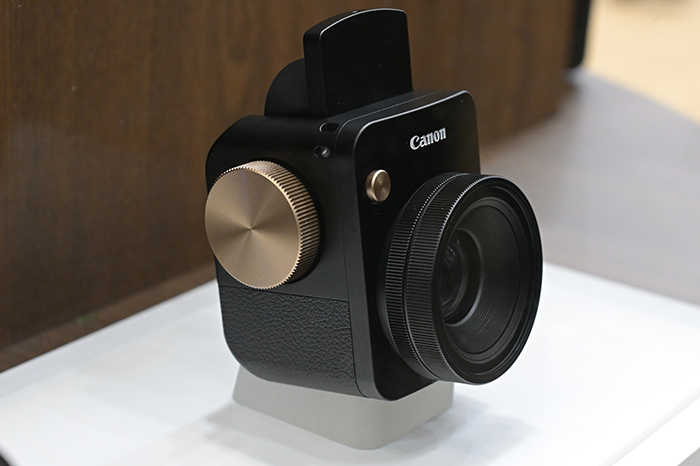
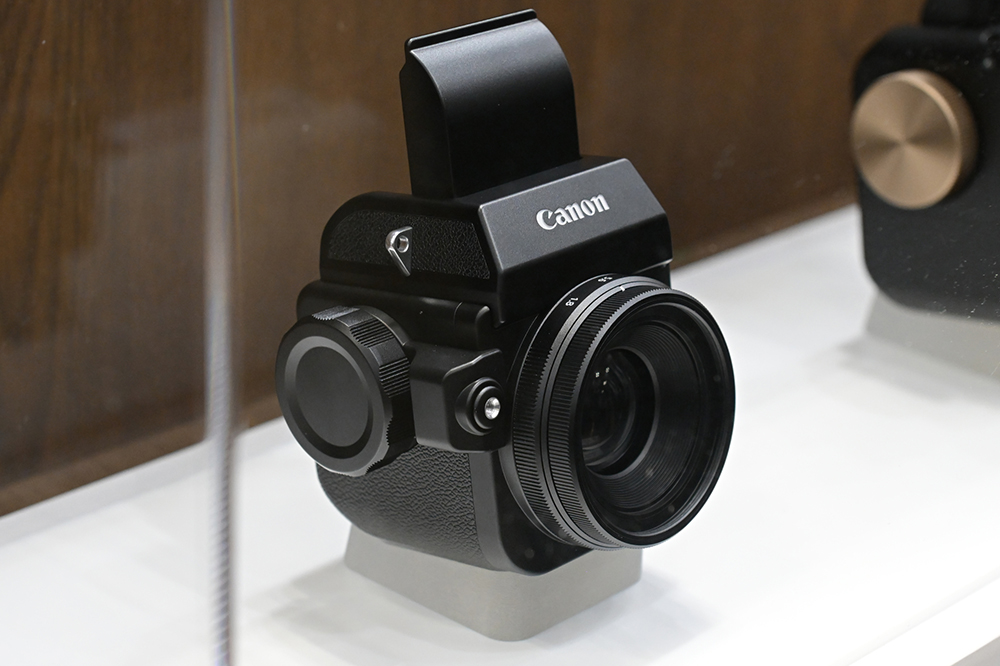
Two Designs Shown

  • Retro version: Angular, boxy, metal texture like a 1960s medium format SLR
  • Modern version: Rounded, slightly more contemporary

My Take

This is Canon throwing elbows at Fujifilm. The X100 series and Instax Evo proved that young buyers don’t care about dynamic range charts — they care about whether the camera looks cool on Instagram. Canon’s response: “You do rangefinder styling? Watch us do waist-level viewing.”

It’s a concept, so it may never ship. But the fact that Canon built a working prototype suggests they’re seriously exploring the “analog experience” market. Reddit is already divided between “this is pretentious garbage” and “shut up and take my money.”


2. EOS RE-1: The AE-1 Tribute We’ve Been Waiting For

The rumor mill has been whispering about Canon’s retro full-frame camera for months. Now we have actual specs.

What We Know

SpecRE-1 (Rumored)
Sensor32.5MP Full-Frame CMOS (same as R6 Mark III)
ProcessorDIGIC X (entry-level variant)
VideoSeverely cut down — this is a photo camera
Price~$1,999 (significantly below R6 III’s $2,799)
ReleaseQ4 2026 / Q1 2027
DesignAE-1 inspired, metal body, leather texture

The Strategy

This isn’t a technical showcase. It’s a market play. Nikon proved with the Zf that there’s serious demand for “modern sensor, retro body” cameras. Canon’s response is to give you R6 III image quality in a package that looks like your dad’s 1976 AE-1.

The timing is deliberate: 2026 marks the AE-1’s 50th anniversary.

What Gets Cut

To hit that $1,999 price point while using a premium sensor, something had to give:

  • Video features will be minimal (no 7K, no open gate)
  • Processor is entry-level DIGIC X, not the accelerated version
  • Burst rates likely capped below R6 III

The pitch: “A camera for people who just want to take photos.” Which, honestly, sounds kind of refreshing.

Matching Lenses

Canon is rumored to launch two retro-styled lenses alongside the RE-1. Likely existing optics with vintage exterior designs. Probably a zoom and a prime. L-series red rings? Probably not.


3. EOS R3 Mark II: Global Shutter Confirmed

Remember when the internet said the R3 Mark II “probably won’t ever exist”? Good times.

What’s Confirmed

Multiple sources now agree: Canon is testing a global shutter sensor for the R3 Mark II. This is the same technology Sony used in the A9 III — zero rolling shutter, zero jello effect, perfect for sports.

SpecR3 Mark II (Rumored)
SensorGlobal Shutter CMOS (Sony A9 III inspired)
ProcessorDIGIC X Mark II (new generation)
AF SystemEye-Control AF 2.0 with AI enhancement
EVF5.76M-dot OLED (same as R1)
Video6K/120p RAW internal recording
ReleaseFebruary 2026 (Milan Olympics timing)
Price$6,500 – $7,000

Eye-Control AF 2.0

The original R3 introduced eye-controlled autofocus. Version 2.0 adds deeper AI to handle complex scenes — sports, birds in flight, chaos at the finish line. The idea: look at your subject, and the camera locks on.

The Olympics Play

Canon always drops flagship updates around major sporting events. The R3 Mark II is being tested by photographers at the Milan Winter Olympics right now. If it ships in February, it’ll be in pros’ hands before the games end.


4. Lens Roadmap: VCM Everywhere

Canon’s 2026 lens strategy is clear: VCM motors for everyone.

Confirmed / Coming Soon

LensStatus
RF 14mm f/1.4L VCMReleased Feb 4 — 578g, HYBRID prime series
RF 7-14mm f/2.8-3.5L Fisheye STMReleased Feb 4 — 190° coverage
RF 300-600mm f/5.6L IS VCMComing 2026 — fills the $3K-$10K gap
RF 24-70mm f/2.8L IS VCM IIUpdated with VCM motor
RF 28mm f/1.4L VCMPlanned for HYBRID series
RF 70-180mm f/2.8 STM“Budget trinity” alternative
RF 400mm f/2.8L IIWorld Cup / Olympics timing
RF 600mm f/4L IIWorld Cup / Olympics timing

The RF 300-600mm f/5.6L VCM Story

This lens has been rumored in various forms for years — 200-500mm f/4, 150-600mm f/5.6, back to 300-600mm f/5.6. The current consensus:

  • Constant f/5.6 aperture
  • L-series optics with fluorite elements
  • VCM motor for fast, silent AF
  • Price target: under $10,000
  • Weight: significantly lighter than the 400mm and 600mm primes

Why it matters: Canon currently has nothing between the $3,000 RF 100-500mm and the $13,000+ supertele primes. Nikon and Sony have been eating Canon’s lunch in this segment.


5. Compact Camera Revivals

Because apparently 2026 is the year of “everything old is new again”:

CameraNotes
PowerShot G7 X Mark IV1-inch sensor, 4K 60p, aimed at vloggers
PowerShot SX750 HSTravel zoom revival
PowerShot V3G3 X-style compact with EVF
PowerShot V10 Mark IIUpdate to 2023’s V10

The G7 X series in particular has surprisingly stable demand despite smartphones eating everyone’s lunch. Canon apparently sees enough market to justify an update.


The Big Picture

Canon’s 2026 strategy is becoming clear:

  • Flagships get serious — R3 Mark II with global shutter, no compromises
  • APS-C gets love — R7 Mark II and R10 Mark II finally shipping
  • Retro is money — RE-1 for the AE-1 nostalgists, concept camera for the experimental crowd
  • Lenses for everyone — VCM motors across the line, budget STM options, super-tele gap filled
  • Compacts aren’t dead — G7 X and SX series get updates

The question isn’t whether Canon has products. It’s whether they can ship them on time.


Sources: PhotoRumors (CP+ concept), CanonRumors (RE-1, lenses), The New Camera (R3 II, PowerShot), via ITHome, Sina, Sohu

Latest Canon Rumors Roundup (R6 III, R7 II, R10 II, lenses)

canon rumors canon news eos r7 mark ii canon eos rv

Below is a ​roundup of the most credible Canon rumors that surfaced in the last two weeks. I’ve grouped the rumors by product family so you can see how they fit together and – just as important – where the rumors are still murky.


1. Full-frame bodies: a “moving target” launch calendar

EOS R6 Mark III
The most-quoted leak is that Canon quietly pushed a May product event to “later in the year”, stalling the long-anticipated R6 III as well as several lenses. Behind the scenes, sources cite two factors: a 7-8 % price hike for North-America, and fears that new U.S. tariffs could whipsaw production costs. Specification whispers haven’t changed – 24-30 MP new-gen sensor, 6 K (possibly 8 K) capture, better thermal management, and an EVF upgrade – but commentators now peg the body for late Q4 2025 or even early 2026.


2. APS-C bodies: “Baby R5” hype and cascading delays

EOS R7 Mark II
It might come with a stacked 40 MP APS-C sensor, 8 K/60p video, and be the first Canon mirrorless body that might ditch the mechanical shutter entirely. The new chassis is said to be physically larger so it can share the R5 II’s cooling grip and larger battery. If those specs stick, the R7 II would leapfrog Fujifilm’s X-T5 on resolution while matching its 8 K headline. But the same sources warn that the R7 II is tied to the R6 III event window, so the practical ship date could slide in lockstep.

EOS R10 Mark II
Insiders mention the entry-level R10 II as “collateral damage” of Canon’s reshuffled roadmap. Expected upgrades – oversampled 4 K/60 p, livestream-friendly USB, and a flippy screen – are intact, but no firm timing survived the schedule reshuffle.


3. Lens buzz: two threads worth watching

(a) The long super-telephoto zoom
What about a RF 300-600 mm f/5.6 L IS USM as the “new big white zoom”? With a design that would slot between the RF 100-500 mm and the long-rumored but heavier (and pricier) RF 200-500 mm f/4. The leak stressed a constant-aperture 5.6 design to keep weight and cost under control, plus an internal zoom to maintain balance on monopods.

(b) A pair of ultra-fast f/1.2 L primes
It is rumored that two new f/1.2 L primes for stills shooters are “imminent.” No focal lengths were named, but insiders speculate on a revamped RF 50 mm f/1.2 L (lighter, possibly with VCM focusing) plus a long-awaited RF 35 mm f/1.2 L. Conversation on X during the past ten days shows the story still has legs, with commenters noting the absence of patents for an updated RF 85 mm f/1.2, suggesting Canon may refresh the 50 mm first.


4. RF-S glass: small hints, no hard leaks

Forum chatter continues about four unnamed RF-S lenses scheduled for 2025, but no real specs leaked in the last 14 days. The consensus – based on older road-map slides – is two constant-aperture zooms and at least one compact prime, likely timed to ship with the delayed R7 II and R10 II bodies. Until Canon reschedules its APS-C announcements, that thread remains speculation.


5. Market context: why every rumor now carries an asterisk

Canon’s own financial guidance called for a global price adjustment in April, and North-American retailers have already updated price lists. Add the looming U.S./China tariff hikes and component shortages, and it’s easy to see why every body-launch date leaked this month came with a hedged “late 2025 or 2026” qualifier. Analysts also warn that Canon is spacing releases to avoid cannibalizing R5 II and R1 sales in a year when margins are razor thin.


6. What feels firm – and what still feels fuzzy

CategoryLikelihood (next 9 months)Key unknowns
R6 Mark IIIMedium – delayed but highly developedFinal sensor resolution; CP+ 2026 vs. Q4 2025 launch
R7 Mark IIMedium-low – tied to R6 III timelineWill Canon really go stacked 40 MP APS-C?
R10 Mark IILow – entry bodies slip firstWhether Canon keeps mechanical shutter to cut costs
RF 300-600 mm f/5.6 LMedium – optical patents existInternal zoom vs. external zoom; target price
New f/1.2 L primesMedium-high – multiple sources, long overdueExact focal lengths; whether VCM focus rings return

Bottom line

Over the last two weeks Canon rumors have shifted from “what’s next?” to “when is next?”. Hard specs on the R7 II fan the flames of an APS-C renaissance, but tariff jitters and component inflation have turned May’s expected launch cycle into a waiting game. On the lens side, a constant-5.6 mega-zoom and refreshed f/1.2 primes look the most solid, yet even these are hostage to Canon’s revised calendar. If you need new gear for summer 2025, the safest bet is still the already-shipping R5 II or existing RF glass. If you can wait, the next nine months should be telling – just keep in mind that every credible leak now carries an economic caveat as big as the cameras themselves.

[via CR]

Copycat Rumors Happen, Exactly Like S*** Does

canon rumors canon news eos r7 mark ii canon eos rv

Here we have a wonderful example of copycat rumor. Read on.

A new rumor by Camera Insider claims Canon will release four prime lenses for the RF mount in 2024, these:

  • RF14mm F1.4L USM
  • RF24mm F1.4 L IS USM
  • RF28mm F1.4 L IS USM
  • RF35mm F1.4 L IS USM

The funny thing, this rumor is almost exactly the photocopy of another rumor posted almost one year ago by Canon Rumors (which, btw, never became true).

It’s very easy to understand what’s going on here. The listed lenses have a high likelihood to be released, sooner or later, for the mere fact that they are present in each and every lens lineup. It’s certain that Canon will release them. So why not suggesting they will get announced in 2023, then 2024, and if still not here, let’s suggest 2025. Easy peasy, isn’t it?

They call it educated speculation. I do not ¯\_ (ツ)_/¯

Take this as example for how the rumor industry works, what it is based upon.

[via asobinet]