Off Brand: Images of upcoming Fujifilm XF10 leak ahead of announcement

FUJIFILM XF10

Edit: pre-orders for the Fujifilm XF10($499(  are now open at B&H Photo and Amazon

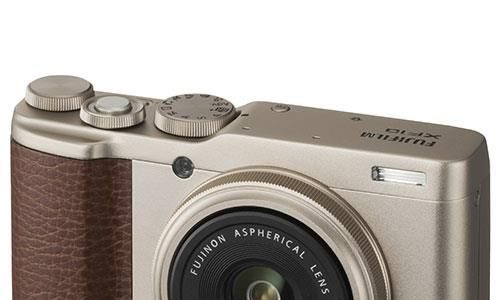
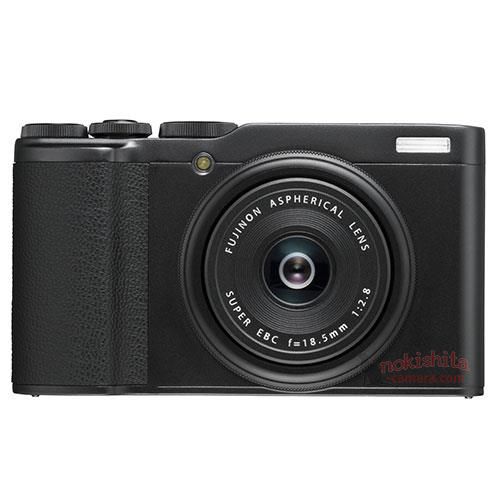
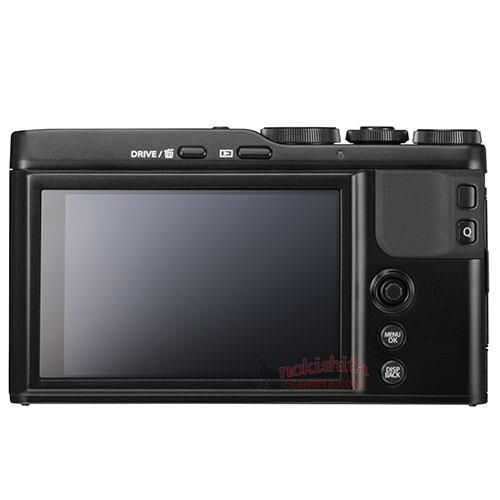
Images and specifications of the Fujifilm XF10 leaked at Nokishita.

  • 24.2 Megapixel APS-C sensor
  • Lens: 18.5 mm F 2.8 (converted 28 mm)
  • Shortest shooting distance: 10 cm
  • Back LCD: 3.0 type · Touch panel
  • 4K video
  • Wi-Fi · Bluetooth installed
  • Size: 112.5 mm x 64.4 mm x 41.0 mm
  • Weight: 278.9 g
  • SQUARE MODE with single flick to switch to 1: 1 format
  • Conversion with Digital Teleconverter Capture at a field angle equivalent to a focal length of 35 mm or 50 mm
  • All 11 types of “film simulation” and 19 types of “advanced filter” are installed (“Rich & Fine” and “Monochrome [NIR]” are newly added)
  • Color: Black · Champagne gold
  • Overseas price: 449 pounds

Announcement expected in a few days.

Canon EF 70-200mm f/4L IS II review (well crafted photographic tool, ePhotozine)

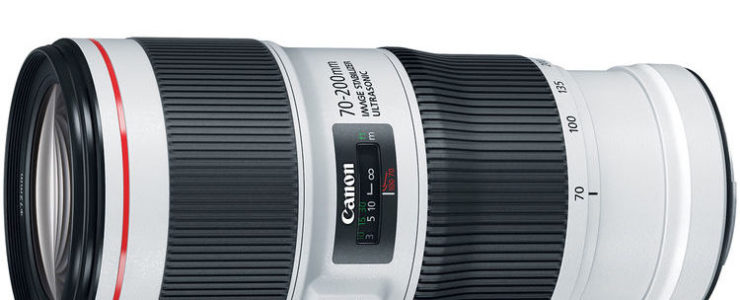
Canon EF 70-200mm f/4L IS II

Canon EF 70-200mm f/4L IS II at a glance:

  • EF-Mount Lens/Full-Frame Format
  • Aperture Range: f/4 to f/32
  • One Fluorite Element and Two UD Elements
  • Super Spectra Coating
  • Ring-Type Ultrasonic Motor AF System
  • Optical Image Stabilizer
  • Internal Focus, Focus Range Limiter
  • Weather-Sealed Construction
  • Rounded 9-Blade Diaphragm

ePhotozine reviewed the new Canon EF 70-200mm f/4L IS II lens.

The praise the excellent sharpness, very low CA and distortion, ergonomics, image stabilisation, and the build quality. It seems Canon made another winner with the Canon EF 70-200mm f/4L IS II.

From the conclusion:

A well crafted photographic tool that does its job flawlessly is always a pleasure to use, and this new lens can be fairly described as just that. Fair enough, we lose a little of the ability to throw backgrounds out of focus by sacrificing the usual f/2.8 aperture, but we gain portability, a lower cost and there is really very little sacrifice in terms of narrow depth of field. The f/4 70-200mm lenses, in general, look an attractive proposition and the Canon EF 70-200mm f/4L IS II USM is a particularly good example. Read the review…

If you are on the fence for the EF 70-200mm f/4L IS II have a look also on Dustin Abbott’s first look and hands on review.

The new Canon EF 70-200mm f/4L IS II is in stock at major retailers in the US, price is $1,299: B&H Photo | Adorama | Amazon.

Canon EF 70-200mm f/4L IS II world-wide:

[shoplist 51369]

Deal: Bolt VM-110 LED Macro Ring Light – $39.95 (reg. $79.95, today only)

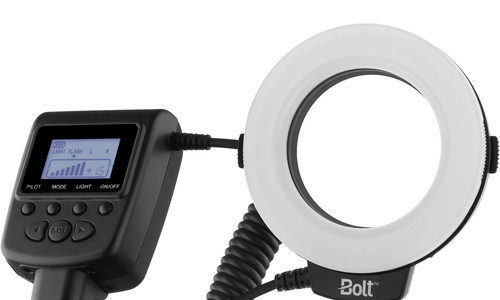
LED Macro Ring Light

Bolt VM-110 LED Macro Ring Light at glance:

  • Guide No. of 15′ / 4.57m at ISO 100
  • Continuous Light Source
  • Four Clip-On Diffusers
  • Adjustable Brightness and Light Settings
  • 2″ Backlit LCD Monitor
  • Eight Lens Adapters Included (49-77mm)

Only for today (7/18/18) B&H Photo has the Bolt VM-110 LED Macro Ring Light on sale at $39.95. Compare at $79.95. Free shipping.

Deal: MeFOTO BackPacker Travel Tripod (Titanium) – $69.95 (reg. $119.95, today only)

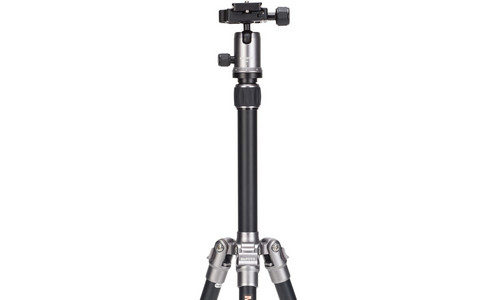
travel tripod

MeFOTO BackPacker Travel Tripod (Titanium) at a glance:

  • Load Capacity: 8.8 lb
  • Max Height: 51.2″
  • Min Height: 17.3″
  • Folded Length: 12.6″
  • Leg Sections: 5
  • Weight: 2.6 lb
  • Two Leg Angle Positions
  • Arca-Type Compatible Ball Head
  • Separate Ball and Pan Locks
  • Carrying Case Included

Only for today (7/18/18) B&H Photo offers the MeFOTO BackPacker Travel Tripod (Titanium) for $69.95. Compare at $119.95. Free shipping.


More selected and exclusive deals…

Did You Know Nikon Designs its own Sensors?

nikon

I didn’t.

Imaging Resource’s Dave Etchells had the rare chance to visit Nikon’s super-secret sensor design laboratory. But, wait, didn’t Sony manufacture the sensors in Nikon cameras?

So what is Nikon exactly doing? Say’s Etchells:

Companies designing chips of whatever sort generally rely on standard processes established by the “foundry” company that does the actual manufacturing. In these cases, the design process is “just” a matter of defining the layout of the devices on the chip. I say “just” though, because it’s far from a routine process to do this. The size and shape of transistors, photodiodes, resistors and capacitors determines their electrical characteristics, and there are loads of tradeoffs involved in balancing light-gathering efficiency, noise levels, readout speeds, on and on. A big trick is designing the pixels and readout circuitry so there’s as little “dead” (non-light-sensitive) area as possible, while maintaining readout speeds and minimizing power consumption.

Nikon designs its sensors and Sony manufactures them. The surprising thing here is how deep into details Nikon’s sensor design goes, let alone all the simulations and the testing. The reason Nikon is doing this, has to do

with being able to optimize the camera system as a whole, in ways that you can’t if you’re just using off-the shelf parts

In other words: Nikon wants their sensors to be optimised for their lenses and to work at best with Nikon’s also in-house designed EXPEED image processing engine. The sensors featured in the Nikon D850 and Nikon D5 are an example of Nikon’s testing, simulation and overall sensor design.

To learn more about imaging sensors in general and about Nikon’s super-secret sensor design laboratory head over to Imaging Resource.