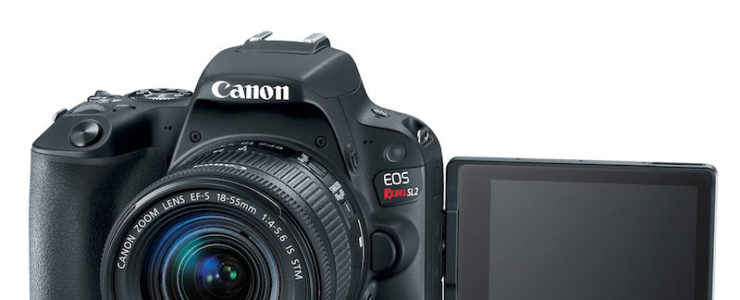
From the series of “totally pointless but absolutely cool” hacks today we feature a new one, and for sure one of the most weird: a Minecraft server running on a camera.
A hacker going by the handle Turtius installed and successfully run a Minecraft server on a Canon Rebel SL2 (EOS 200D in Europe). If you know how Minecraft works, then you likely know that the server (i.e. the SL2 in our example) is only running the “world” that is then displayed on the user’s computer. The game itself runs on the user’s computer. However, at least theoretically, other users could connect to the world managed on the server (the SL2).
The shot video below shows three points of view: i) via a smartphone recording the back of the camera and the monitor, ii) what the Rebel SL2 is seeing, and iii) a screen recording from the computer that is connected to the Canon Rebel SL2. Clearly the SL2 reaches its limits.
Turtius explains here how he did the hack, using avrcraft, a Minecraft server that’s optimized for 8-bit devices. Says Turtius:
[avrcraft] is fully running on the camera. I reverse-engineered the network module used by Canon which just so happens to expose Unix-like sockets and integrated avrcraft with Magic Lantern. It’s running a custom implementation provided by Canon’s operating system and using custom code to interact with the stuff provided by Canon on a lower level.”
Turtius used a modified version of the free Magic Lantern firmware add-on, and wrote code specifically for the Rebel SL2. You can find the full source code on GitHub but be warned: do it only if you know what you are doing otherwise you risk to brick your camera.
DJI Reinvents The Drone Flying Experience With The DJI FPV
Breakthrough Drone Technology Offers Immersive, Cinematic Flight Experience And Intuitive New Single-Handed Motion Controller
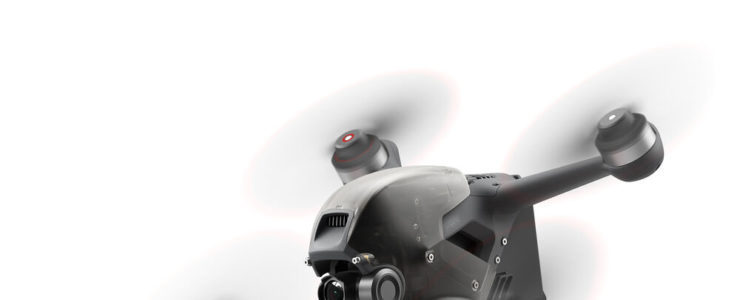
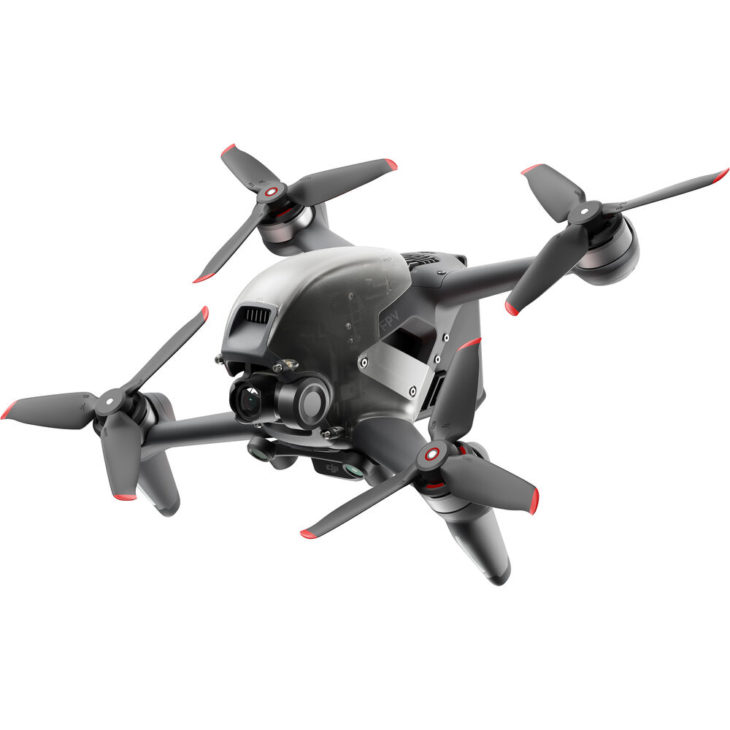
DJI, the global leader in civilian drones and creative camera technology, today launched an entirely new type of drone with an intuitive, immersive flight experience never available until now. DJI FPV combines the first-person view and high-speed performance of racing drones, the cinematic camera sweep of traditional drones, the safety and transmission technology of DJI’s leading consumer drones, and an optional innovative single-handed motion controller that allows pilots to control the drone with just hand movements. DJI FPV creates a new drone category, and opens up new worlds of possibilities for content creators and drone fans from beginners to experts alike.
“DJI has been redefining what drones can do since our company began in 2006, and as we celebrate our 15-year anniversary this year, we honor that heritage of innovation by redefining what drone flight can be with DJI FPV,” said Ferdinand Wolf, Creative Director, DJI Europe. “Right out of the box, DJI FPV combines the best available technology for a hybrid drone like no other. It can fly like a racer, hover like a traditional drone, accelerate like a homebuilt project and stop faster than any of them. DJI FPV lets the world experience the absolute thrill of immersive drone flight without being intimidated by the technology or spending hours building a system from scratch. We can’t wait for the world to try it.”
The DJI FPV ecosystem includes the drone, goggles, a dedicated remote controller, and a new intuitive motion controller option that steers the drone based on the movement of your hand. The drone features high-performance motors for incredible speeds, an intuitive user interface and the latest safety features for greater control. The new FPV system lets pilots see from the drone’s perspective in low-latency high definition thanks to O3, the third iteration of DJI’s proprietary OcuSync technology. Its unmatched reliability and transmission range help pilots capture ultra-smooth and stable 4K video at 60 fps with the assistance of RockSteady electronic image stabilization.
Amateur and professional pilots alike can explore the skies with confidence with the assistance of three distinct flight modes designed for all skill levels and to get pilots accustomed to the system. DJI FPV’s advanced safety features include a new Emergency Brake and Hover feature to help make flying safer and less intimidating for new users, as well as DJI’s suite of industry-leading safety solutions, including GPS-based geofencing to advise pilots of airspace restrictions and potential hazards, and an ADS-B receiver system to warn pilots when other manned aircraft are nearby. In many jurisdictions, drone pilots flying with FPV goggles must be accompanied by a visual observer to watch for airspace hazards. Always fly safely and responsibly, and be sure to understand and follow the legal requirements for flight.
A Flight Experience For Every Skill Level
DJI FPV is the first integrated FPV drone that allows pilots from beginners to professionals to choose from multiple flight modes to match their skill level:
Normal (N) Mode: During N mode operation, DJI FPV operates similar to other DJI drones, hovering in place with the use of GPS and/or visual positioning systems (VPS) on the bottom of the drone. The most approachable flight mode, N mode allows for obstacle detection sensors on the front to be activated to warn when obstacles are near and slow down. Pilots are tasked with maneuvering the drone away from any detected obstacles.
Manual (M) Mode: Take full control over the drone with M mode which is designed for more experienced users. While in M mode, all sensors and hovering features are disabled.
Sport (S) Mode: A new hybrid blend of M and N mode, S mode offers some of the dynamic movement capabilities that come with M mode along with some of the key safety features of N mode. S mode is the middle step between the three modes and developed to give pilots more room to explore their skills as they get accustomed to FPV flight.
While in the air, pilots can also use a suite of safety features that make flying not only a memorable experience, but a safe one as well. A dedicated Emergency Brake and Hover feature is available in all flying modes to make the drone stop and hover in place at any time during flight. Obstacle detection sensors can be activated while operating in N mode, which will alert pilots of any detected obstacles and automatically slow down the aircraft. Visual Positioning Sensors (VPS), along with an auxiliary light on the bottom of the aircraft are also available to assist in smooth takeoffs and landings. Failsafe Return to Home is another important feature that will bring the drone back to its home point automatically with a press of a button or in the event that transmission signal is lost. The ADS-B receiver system provides audio and visual notifications to the pilot via the FPV Goggles when traditional aircraft such as airplanes or helicopters equipped with ADS-B transmitters are in the vicinity.
Canon U.S.A. Recognized as One of the World’s Most Ethical Companies for the Fourth Consecutive Year by The Ethisphere Institute
MELVILLE, NY, March 1, 2021– During a time when it has been crucial for companies to prioritize the values and needs of their customers and employees, Canon U.S.A., Inc., a leader in digital imaging solutions, has remained committed to developing solutions that are designed to support ever-changing business needs. Reflecting this commitment, Canon U.S.A. is proud to share it has been recognized as one of the 2021 World’s Most Ethical Companies for the fourth consecutive year by the Ethisphere Institute, a global leader in defining and advancing the standards of ethical business practices.
Of the 135 honorees spanning 22 countries and 47 industries, Canon U.S.A. is the only company to be recognized within the Imaging Technology industry category, showcasing the company’s strong global standards, business integrity, corporate citizenship and overall brand value. As a result of the company’s positive influence, impact in business communities, and ongoing support during COVID-19, Canon U.S.A. stands out amongst others to the Ethisphere Institute.
“While addressing the tough challenges of 2020, we saw companies lead – above all other institutions – on earning the trust of stakeholders through resilience and a commitment to ethics and integrity,” said Timothy Erblich, CEO, Ethisphere Institute. “The World’s Most Ethical Companies honorees continue to demonstrate an unwavering commitment to the highest values and positively impacting the communities they serve. Congratulations to everyone at Canon U.S.A. for earning the World’s Most Ethical Companies designation.”
Rooted in Ethisphere’s proprietary Ethics Quotient®, the World’s Most Ethical Companies assessment process includes more than 200 questions on culture, environmental and social practices, ethics and compliance activities, governance, diversity and initiatives to support a strong value chain. The process serves as an operating framework designed to showcase the leading practices of organizations across industries around the world. This year, the process was streamlined and set to further gauge how applicants are adapting and responding to the global health pandemic, environmental, social, and governance factors, safety, equity and inclusion, and social justice.
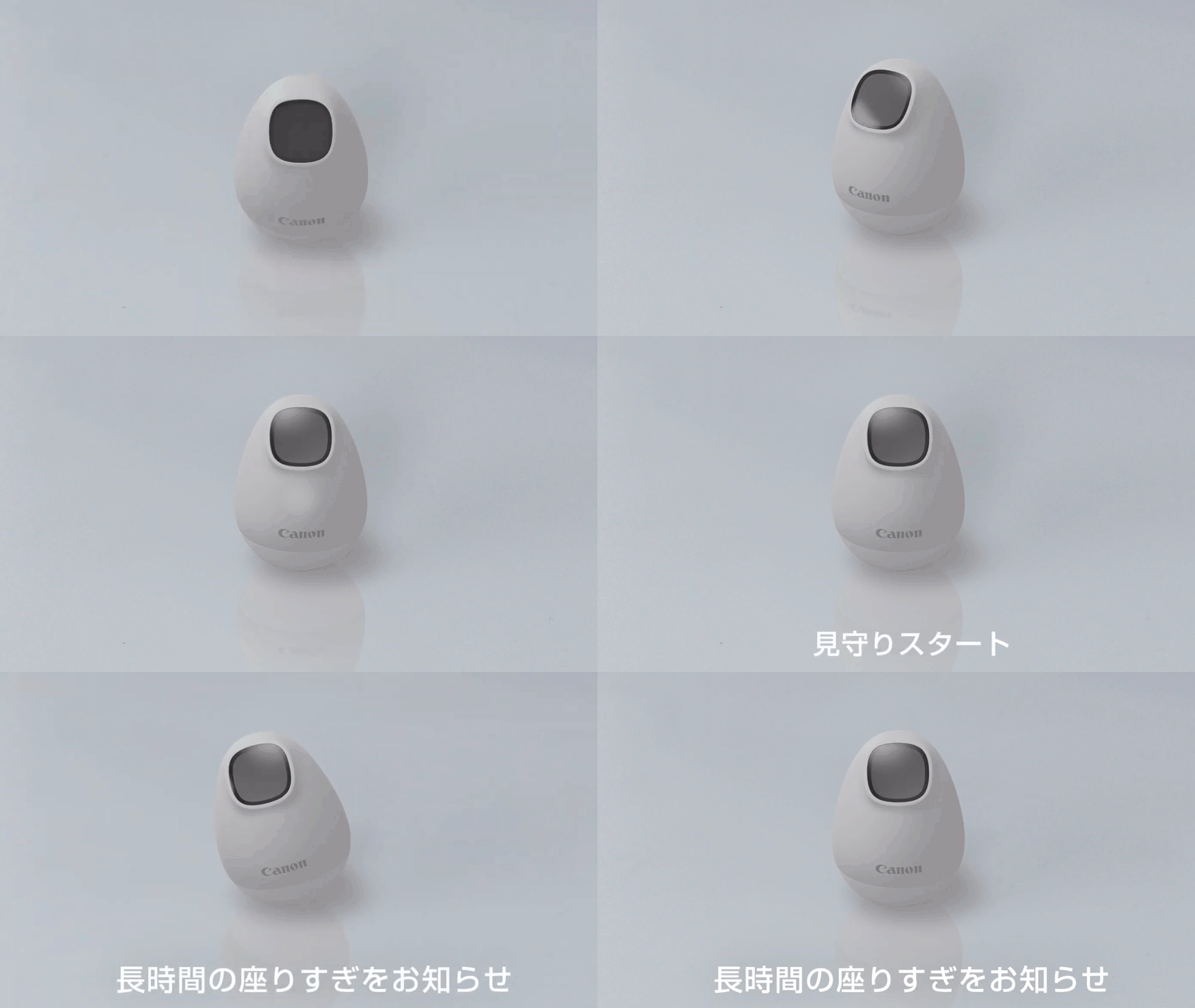
The global pandemic led to more people working from home. It seems that Canon is taking this in account by releasing a new concept camera called the Posture Fit.
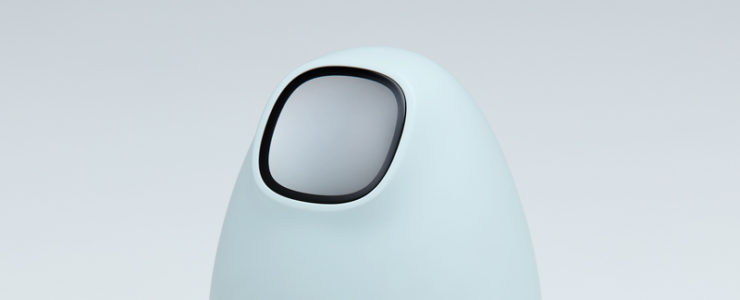
The Canon Posture Fit, Canon’s latest concept camera, recognizes when you sit down at the desk the Posture Fit is placed. From there it will periodically check how you are seating. After an hour it advises to stand up and to take a break.
The video below tells the story of Canon’s concept cameras and which ideas and concepts led to them. If you want to just see the presentation of the Posture Fit jump to minute 24:20.
Says Canon about their concept cameras:
Our relationship with cameras is radically transforming. Canon designers work hard to experience the mindset of customers, and with a strong commitment to understanding, have come up with many innovative new designs. This video seminar tells the story of how designers in charge of the IVY REC, PowerShot ZOOM and Posture Fit Device developed the design of these products by understanding users’ passion through opinion gathering at trade expos and other activities.
More coverage of Canon concept cameras is listed here.
Ultra-high sensitivity with ISO expandable to 409,600 for very low light conditions and 15+ stops of dynamic range[ii]
S-Cinetone™ look profile which is inspired by the digital cinema camera VENICE’s colour science, also used in FX9 and FX6 Cinema Line cameras, and records up to 4K 120p[iii]
Compact and lightweight body design with high operability for hand-held shooting, gimbal and drone-mounted work
Multi-thread (1/4-20 UNC) body makes it easy to mount accessories
Detachable XLR handle unit with two of XLR/TRS audio input
“Active Mode” image stabilisation[iv] supports handheld movie shooting
Fast Hybrid Auto Focus, Touch Tracking (real-time tracking) and Real-time Eye AF, also used in other Alpha™ cameras
Uninterrupted 4K 60p recording (Continued)[v] by Effective heat dissipation and built-in cooling fan
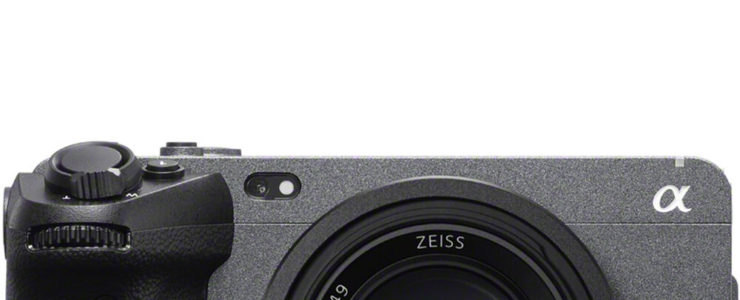
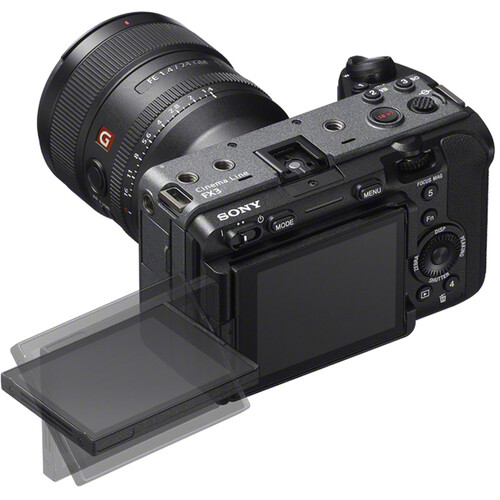
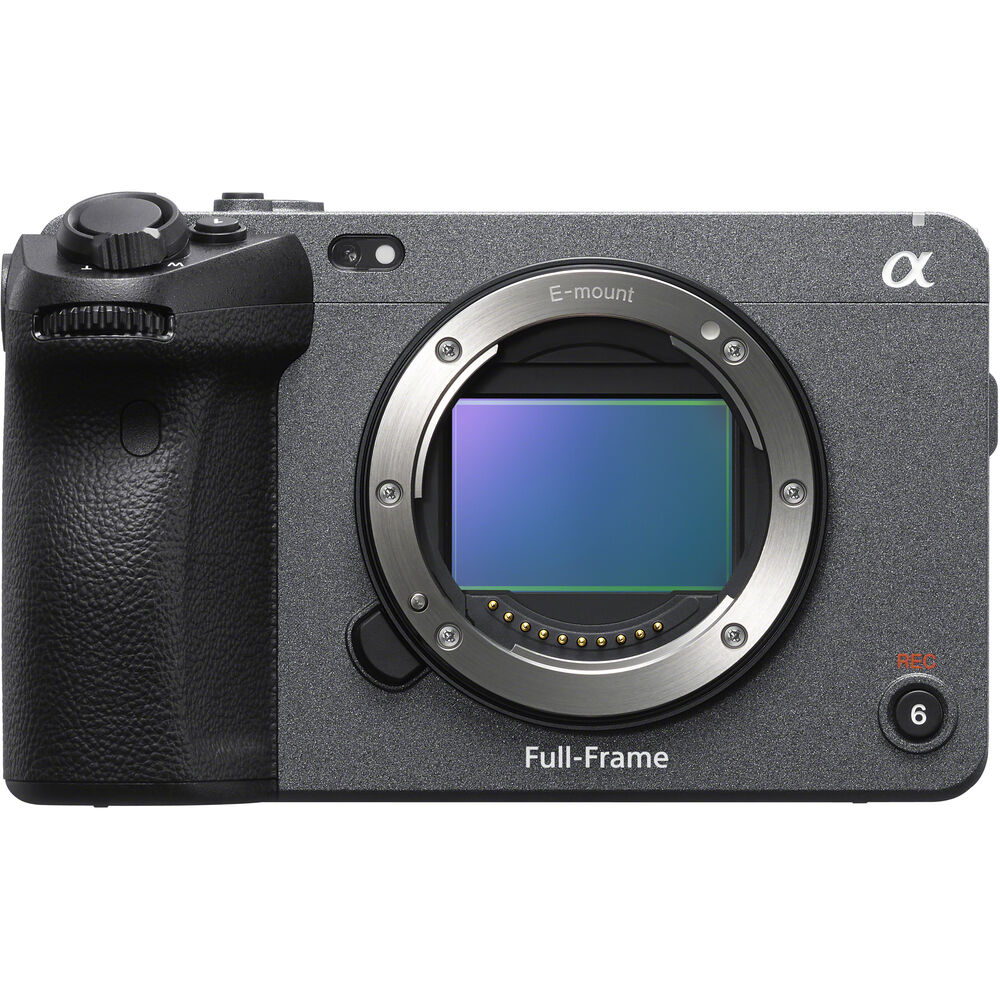
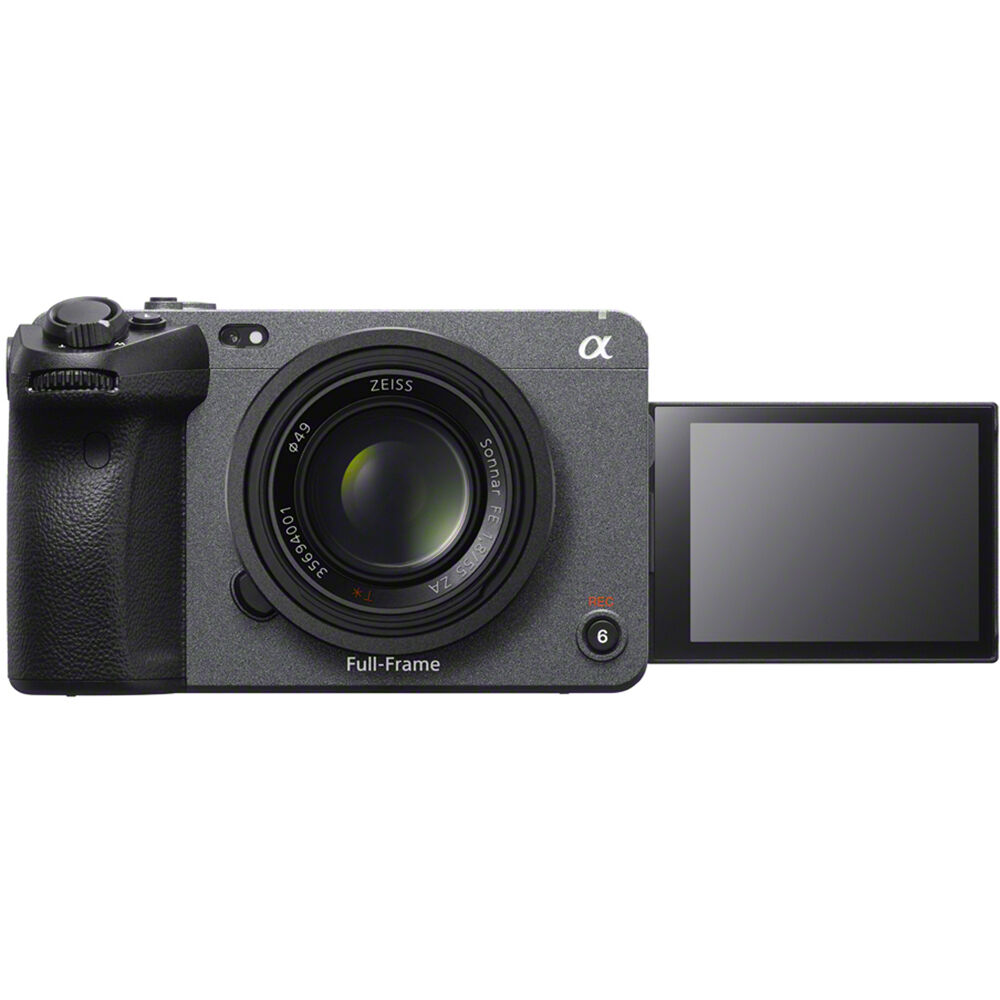
Sony today officially announced the FX3 (model ILME-FX3) camera that combines the best of Sony’s industry-leading digital cinema technology with advanced imaging features from Alpha™ mirrorless cameras to create the ultimate cinematic look.
As the latest addition to Sony’s Cinema Line, the FX3 delivers a cinematic look and professional operability and reliability all in one device that answers the needs of young creators who are looking for new ways to express their creative vision. The new model provides outstanding image quality and usability for small scale and one-person shooting. The FX3 boasts first-class focus performance, optical image stabilisation, handheld shooting design and advanced heat dissipation for extended recording times. All this in a compact, lightweight body that provides the performance and mobility to meet the growing demands of today’s content creators.
“The FX3 was designed to turn creative vision into reality,” said Yann Salmon Legagneur, Director of Product Marketing, Digital Imaging, Sony Europe. “It allows creators to bring their visual expression into the world of cinema through immersive content. We will continue to support the world’s creators through Sony’s Cinema Line Series.”
Cinematic Look
The FX3 flaunts Sony’s industry-leading image sensor technology to achieve high processing speeds and outstanding image quality. The full-frame, back-illuminated Exmor R CMOS sensor full-frame 10.2 megapixel(approx. effective) count for movie recording (and 12.1 effective megapixels for stills) and the BIONZ XR image processing engine team up to ensure high sensitivity with low noise. The standard ISO range is 80 to 102,400 (expandable to 409,600 when shooting a movie), and dynamic range is an impressively wide 15+ stops[ii].
In response to a growing need for more expressive depth, the FX3, along with FX9 and FX6 Cinema Line cameras, allows users to create a cinematic look without post-production using S-Cinetone. Based on the colour science inspired by Sony’s flagship VENICE camera, S-Cinetone delivers natural mid-tones, plus soft colours and smooth highlights that are essential to cinematic look.
Create movies with in-camera 4K recording at up to 120 frames per second[iii]. Extraordinarily smooth slow-motion imagery[vi] (up to 5x) at QFHD (3840 x 2160) resolution with autofocus provides new expressive capability.
This website or its third-party tools use cookies, which are necessary to its functioning and required to achieve the purposes illustrated in the cookie policy. If you want to know more or withdraw your consent to all or some of the cookies, please refer to the cookie policy. By closing this banner you agree to the use of cookies.