Canon EOS R6 Review And Image Comparison With EOS 5D Mark III
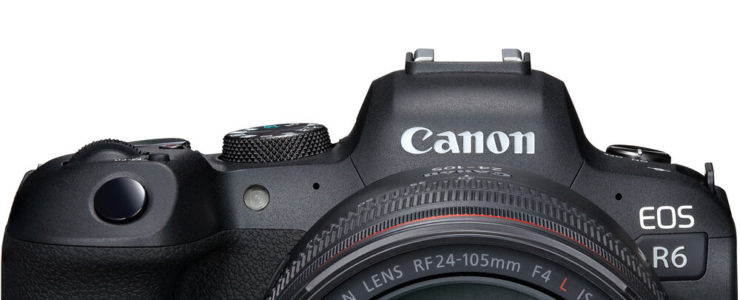
canon eos r6 review

Here is a new Canon EOS R6 review. I am glad to see that there are increasingly more reviewers discussing the R6.

Gary Gough‘s Canon EOS R6 review on video below compares the images of the R6 with the EOS 5D Mark III. That might look a bit like apples to oranges but still it is interesting. Both are all around work horses, so something in common there is.

The EOS R6 sports many features shared with the EOS R5, a class leading autofocus system for instance, and the R6 has an imaging sensor derived not less than from the flagship EOS-1D X Mark III. For more Canon EOS R6 review stuff see here. User manuals are available for download for the EOS R5 and the EOS R6.

EOS R6 at a glance:

  • 20mp Full-frame CMOS sensor
  • Sensor-based image stabilisation (IBIS) – works with any lens
  • 3.69m dot electronic viewfinder (EVF), 0.76x magnification
  • 3.0inch vari-angle touch-screen, 1.62m dots
  • 12 / 20fps continuous shooting (mechanical / electronic)
  • ISO100 to ISO102400, Low ISO50, High ISO204800
  • 6072 autofocus points/positions
  • Dual Pixel CMOS AF
  • Face and Eye-AF tracking
  • Built-in Wi-Fi and Bluetooth
  • Dual SD card slots
  • 4K UHD 60/30/25/24fps
  • FullHD High-speed 120/100fps
  • HDR FullHD Video

Canon EOS R6: [shoplist 62745]
Click here to open the rest of the article

Canon EOS R6 Real World Review (fantastic option for photographers)

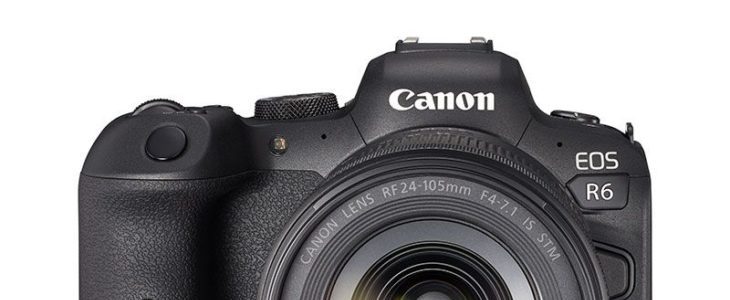
canon eos r6 review

Here is a new Canon EOS R6 review. The little sibling of the more acclaimed EOS R5 doesn’t get all the attention it deserves.

Jared Polin posted his full Canon EOS R6 review, and wonders if the EOS R6 is the “ultimate hybrid mirrorless camera.

This is the Real World Review of the Canon EOS R6. After using this camera for a few months, I have to say it’s a fantastic option from Canon for photographers looking to get into the mirrorless camera world. Where the EOS R5 may be too expensive for some, the R6 falls into a much better price point…even if it’s still a few hundred more then I would like. The one thing the EOS R system needs, third party glass and more affordable RF lenses.

The EOS R6 flies a bit under the radar and doesn’t get the attention it deserves. There are many features that the R6 shares with the EOS R5, a class leading autofocus system for instance, and the R6 has an imaging sensor derived not less than from the flagship EOS-1D X Mark III. For more Canon EOS R6 review stuff see here. User manuals are available for download for the EOS R5 and the EOS R6.

EOS R6 at a glance:

  • 20mp Full-frame CMOS sensor
  • Sensor-based image stabilisation (IBIS) – works with any lens
  • 3.69m dot electronic viewfinder (EVF), 0.76x magnification
  • 3.0inch vari-angle touch-screen, 1.62m dots
  • 12 / 20fps continuous shooting (mechanical / electronic)
  • ISO100 to ISO102400, Low ISO50, High ISO204800
  • 6072 autofocus points/positions
  • Dual Pixel CMOS AF
  • Face and Eye-AF tracking
  • Built-in Wi-Fi and Bluetooth
  • Dual SD card slots
  • 4K UHD 60/30/25/24fps
  • FullHD High-speed 120/100fps
  • HDR FullHD Video

Canon EOS R6: [shoplist 62745]
Click here to open the rest of the article

Canon EOS R6 Review – Top Of The Game Mirrorless Camera

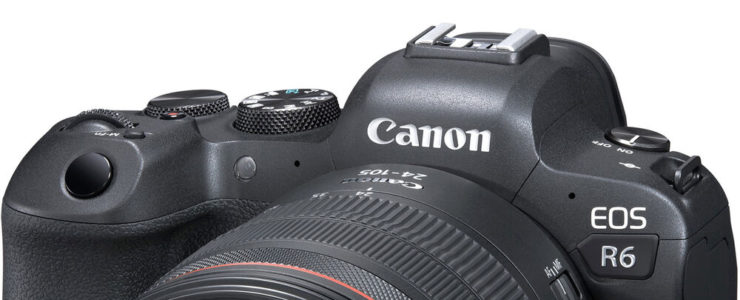
canon firmware Canon EOS R6 review camera sales

Here is a new Canon EOS R6 review, one that gives the EOS R6 the praises it deserves.

Coming from Photography Life, a Canon EOS R6 review with sample pictures, test charts, image quality and dynamic range tests. From the reviewers conclusion:

[…] after I actually used the camera extensively for several months, I realized that I was dealing with a whole new level of performance – something I honestly did not expect to see in a second-generation body. While Sony has been tweaking and fine-tuning its cameras over four generations to get to where they are today, Canon was able to deliver such impressive results in less than half the time, instantly putting its EOS R5 and R6 cameras on the top of the game.

The reviewer is definitely fond of the Canon EOS R6:

The Canon EOS R6 does so many things right, while ticking all the main boxes. It is easy to use and it handles amazingly well with great ergonomics and customization options. Its autofocus system is vastly superior to the EOS R, matching the AF speed and accuracy of some of the best cameras on the market today, including the Sony A9 II. Heck, as a Nikon shooter, I have to be honest and say that Nikon’s AF has fallen significantly behind when compared to the EOS R6, even on its latest bodies with dual processors. The sensor performance of the EOS R6 is superb, both in terms of high ISO and dynamic range performance. And if you have never experienced in-body image stabilization before (especially coming from a Canon DSLR), you will be blown away by it on the EOS R6.

Check the full review at Photography Life. They already published the video review back in January.

The EOS R6 flies a bit under the radar and doesn’t get the attention it deserves. There are many features that the R6 shares with the EOS R5, a class leading autofocus system for instance, and the R6 has an imaging sensor derived not less than from the flagship EOS-1D X Mark III. For more Canon EOS R6 review stuff see here. User manuals are available for download for the EOS R5 and the EOS R6.

EOS R6 at a glance:

  • 20mp Full-frame CMOS sensor
  • Sensor-based image stabilisation (IBIS) – works with any lens
  • 3.69m dot electronic viewfinder (EVF), 0.76x magnification
  • 3.0inch vari-angle touch-screen, 1.62m dots
  • 12 / 20fps continuous shooting (mechanical / electronic)
  • ISO100 to ISO102400, Low ISO50, High ISO204800
  • 6072 autofocus points/positions
  • Dual Pixel CMOS AF
  • Face and Eye-AF tracking
  • Built-in Wi-Fi and Bluetooth
  • Dual SD card slots
  • 4K UHD 60/30/25/24fps
  • FullHD High-speed 120/100fps
  • HDR FullHD Video

Canon EOS R6: [shoplist 62745]
Click here to open the rest of the article

Canon EOS R5 Review After Six Months Of Use (studio portrait photography)

canon eos r5 review 8k video firmware updste

Here is a fresh Canon EOS R5 review. One that seems to focus more on real life application than on lab results.

Coming from John Gress, the 10 min video review below covers many aspects of the Canon EOS R5:

After owning the Canon EOS R5 mirrorless camera for six months, I wanted to update you on my experience with the camera as a commercial studio portrait photographer and an occasional videographer.

We will cover the AF, EVF, LCD, battery life and video features, including external recording, from my perspective after leaving the 5DIV.

More Canon EOS R5 review stuff is listed here, for EOS R6 review stuff see here. The EOS R5 is highly regarded as a stills camera. In particular, the EOS R5 autofocus system seems to be huge leap forwards. User manual are available for download for the EOS R5 and the EOS R6.

Canon EOS R5: [shoplist 62744]

Click here to open the rest of the article

The Canon EOS M Is Not Going To Die, New Rumors Contradicting Old Ones

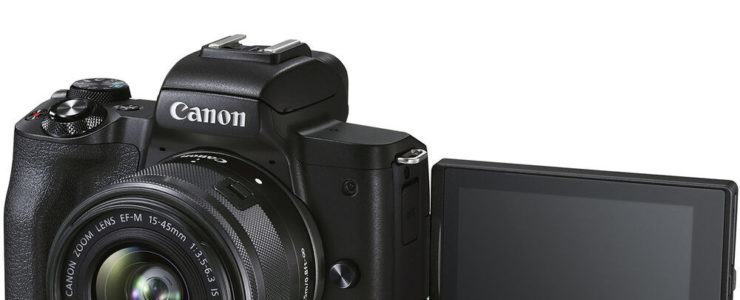
canon eos m50 mark ii review

A few months ago a rather weird rumor surface from the interconnected rumor jungle: the Canon EOS M lineup is going to die this year.

A totally unrealistic rumor, as we pointed out. Moreover, one of our sources told us it is not going to happen. Now it appears the original source suggesting the imminent death of the EOS M system is also changing its mind.

The latest rumor claims that Canon is set to “pivot the EOS M system [in] a new direction”. Not only this, but Canon might also announce a new EOS M camera this year. Not sure what the “pivoting in a new direction” might mean but it definitely doesn’t sound as if the EOS M series will be put to death any time soon. 2021 might thus be the year we will eventually learn more about the future of the EOS M system.

Mind that the EOS M series is quite popular with amateurs. Why would Canon kill the EOS M system? The EOS M50 is a best seller since it was released, and the EOS M50 Mark II is following on its footsteps. Indeed, the whole EOS M series is ratjher popular. The EOS M50 is a top seller on the US and Japan market. A fact stated by Canon itself.

I don’t think Canon is so dumb to discontinue their best selling mirrorless camera with an APS-C sensor as long as people wants to buy it in large figures.

Stay tuned, and stay safe.

Source: Canon Rumors

Lomography Launches Atoll Ultra-Wide 17mm f/2.8 Art Lens (for FF mirrorless cameras)

Atoll Ultra-Wide 17mm f/2.8

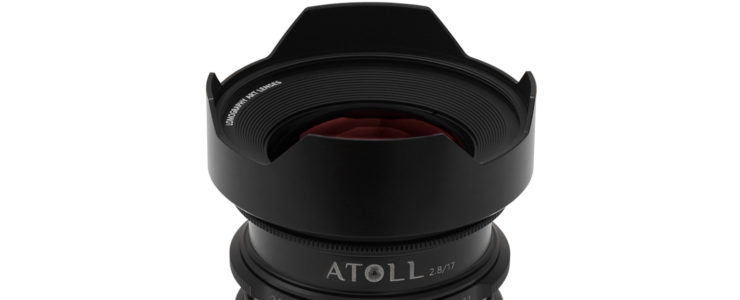
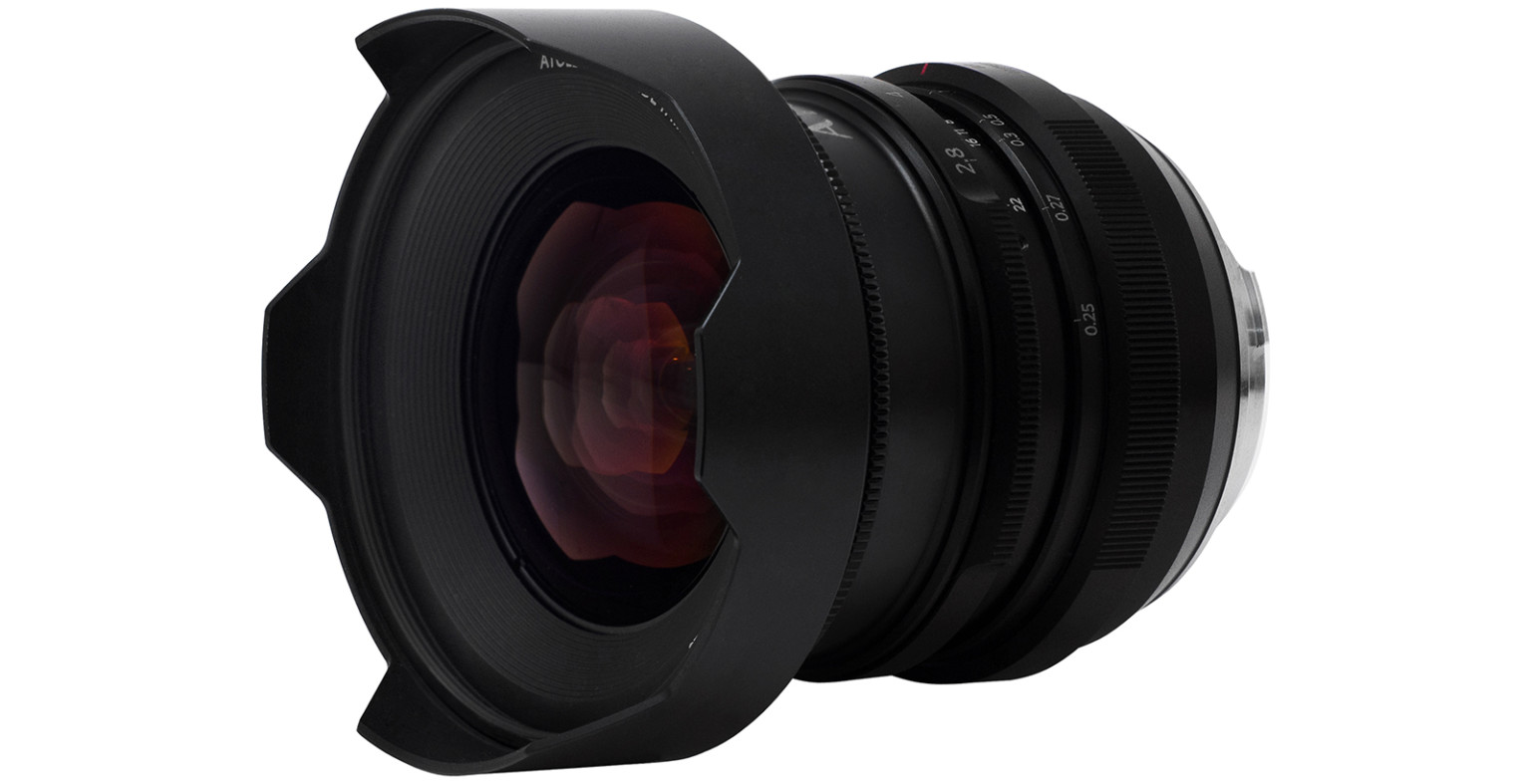
Lomography launched the Atoll Ultra-Wide 17mm f/2.8 Art Lens on Kickstarter. The lens will be available for Canon RF, Nikon Z, Sony E, and Leica M mounts.

The asking price for the Atoll Ultra-Wide 17mm f/2.8 Art Lens is $550 on Kickstarter. Doesn’t seem that much considering what the lens has to offer. Here’s what you can do with the Lomography Atoll Ultra-Wide Art Lens:

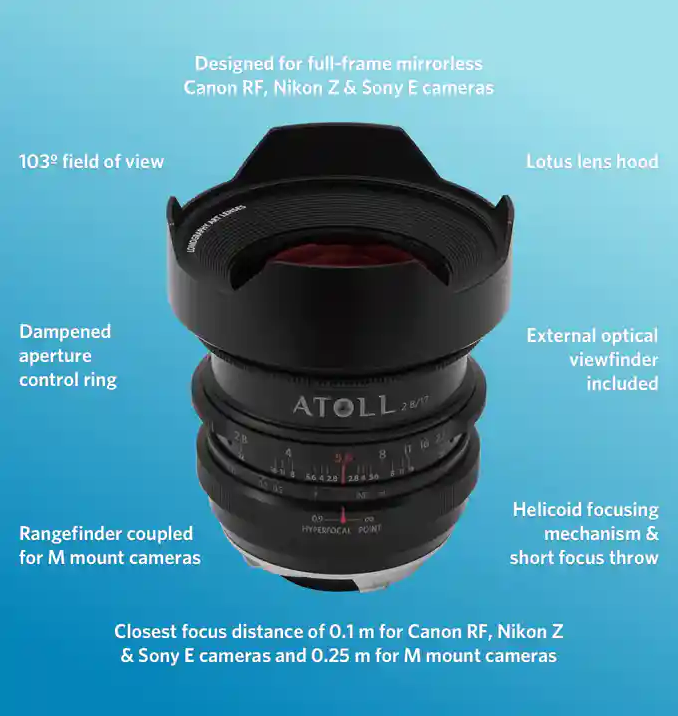
  •  Get intrepid – designed for full-frame mirrorless Canon RF, Nikon Z, Sony E cameras and rangefinder coupled for M mount analogue and digital cameras
  •  Stay extra – impressive ultra-wide 103º field of view with minimal distortion, vibrant colors and strong contrast
  •  Go bold – closest focusing distance of 0.1 m with Canon RF, Nikon Z, Sony E cameras and 0.25 m with M mount cameras
  •  Be brave – enhanced rectilinear optic design for eye-popping colors and stunning saturation even in low-light situations
  •  Roam free – compact prime lens optimized for photo and video with helicoid focusing mechanism, dampened aperture control ring and short focus throw 

The Lomography Atoll Ultra-Wide Art Lens is designed for full-frame mirrorless Canon RF, Nikon Z, Sony E cameras and rangefinder coupled for M mount analogue and digital cameras. 

In order to make sure this awesome invention could be used with as many camera set-ups as possible, Lomography cleverly designed it to work with Canon RF, Nikon Z, Sony E cameras when the close-up lens base is attached and M mount analogue and digital cameras when it is not. Voilà! Now you can render iconic Lomography aesthetics across an impressive field of view using digital and analogue cameras with just one compact prime lens. What’s more, our close-up lens base, beautifully designed to seamlessly integrate with the main body of the lens, allows you to focus at an amazingly close 0.1 m distance away from your subject for seriously intimate shots. 

The Lomography Atoll Ultra-Wide Art Lens is also compatible with a wide range of other cameras with the use of separate adapters, check out our full compatibility list via the FAQs section for further details.

Atoll Ultra-Wide 17mm f/2.8