While not disclosing any specifications or other details, you are invited on Facebook to guess what the lens will be. A surprise waits for the first person that gets it right:
We’ve prepared something special for you! Soon you’ll be able to say hello to a new member of the Irix family! What lens do you think it’ll be?
Leave a comment below; we’ve prepared a special surprise for the first person who guesses correctly!
Any idea what the upcoming Irix lens will be? Sound off in the comment section.
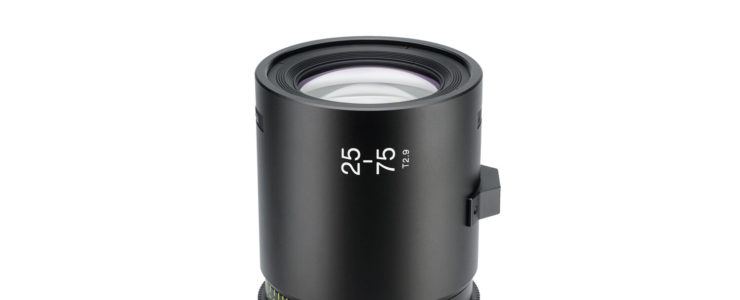
Tokina announced a new cine lens, the Tokina 25-75mm T2.9. Available for Canon EF and other mount types.
Tokina 25-75mm T2.9 press release:
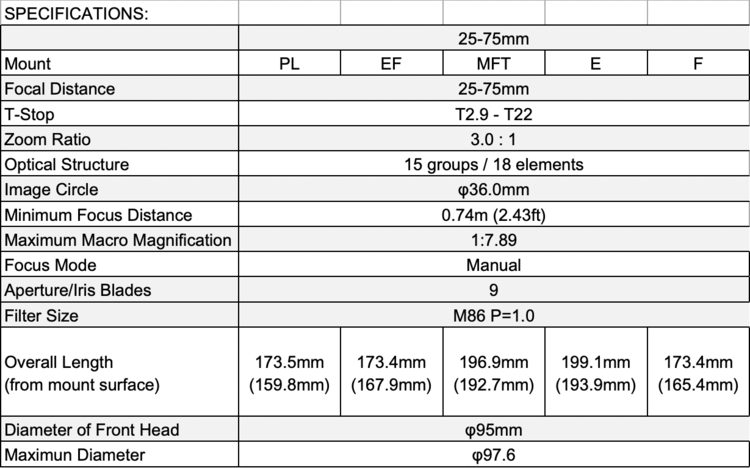
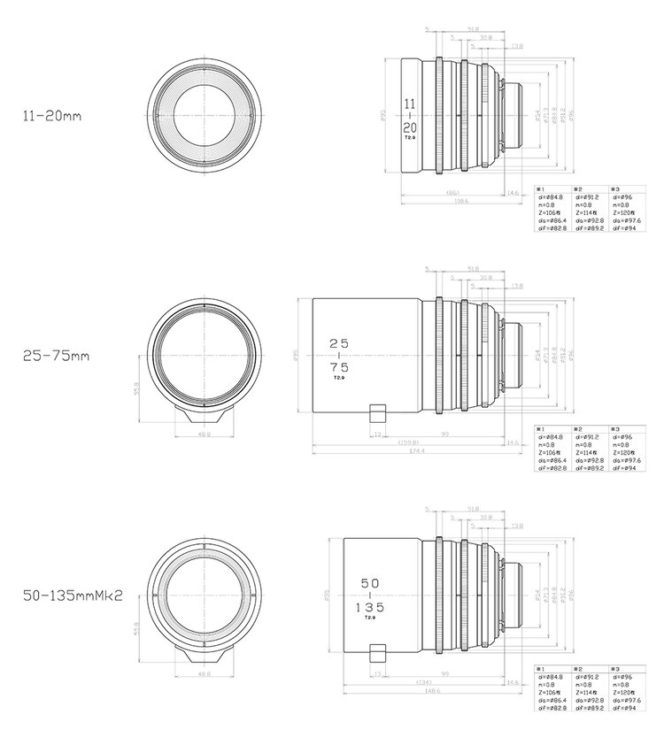
Tokina Cinema introduces the 25-75mm T2.9 cinema lens. The new lens is a small size ground-up true cinema design featuring a compact 174mm overall length, industry standard 0.8 MOD cinema gears, T2.9 iris, 86mm filter thread, and 95mm front diameter for common cinema accessories.
The new 25-75mm T2.9 is designed to cover super35+ type sensors up to 36mm image circle size. The larger 36mm image circle enables native coverage of RED Helium 8K, RED Dragon 6K, RED Monstro 6K, Alexa LF in 4K UHD, as well as popular cinema and mirrorless cameras from Canon, Blackmagic Design, and Panasonic in 4K DCI or 4K UHD.
When paired with the Tokina Cinema 1.6x Expander for PL or EF mount versions, the lens becomes a compact size 40-120mm T4.2 that covers Full Frame and Vista Vision 6K and 8K size sensors.
The 25-75mm is designed to match the mechanical and optical properties of the popular Tokina Cinema 50-135mm T2.9 MKII and 11- 20mm T2.9 zoom lenses. The 25-75mm retains optical design features similar to the 11-20mm T2.9 and 50-135mm T2.9 MKII including parfocal design to retain focus while zooming, limited focus breathing, and low distortion. The addition of the 25-75mm completes a 3-lens set of cinema zooms covering 11mm super wide angle to 135mm telephoto at a price of less than $12,000 USD for all three lenses. Suggested retail price for the 25-75mm T2.9 is $5799 USD and will ship in Spring 2021. All lenses in the series feature an interchangeable mount between PL, EF, Sony E, MFT, and Nikon F mounts.
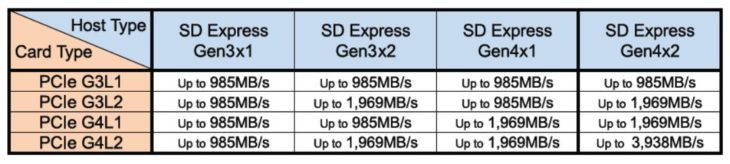
New cameras and new technologies need a new and more performing memory card. A new standard for SD Express memory card was unveiled, looking at transfer speeds up to 4GB/s.
The SD Association announced today the SD 8.0 Specification for SD Express memory cards receives even faster transfer speeds by using the popular PCI Express® (PCIe®) 4.0 specification delivering a maximum of nearly 4 gigabytes per second (GB/s) data transfer rate. These full sized cards continue to use the NVMe Express™ (NVMe™) upper layer protocol enabling advanced memory access mechanism. As always SD Express memory cards using SD 8.0 specification maintain backward compatibility.
“SD Express’ use of even faster PCIe and NVMe architectures to deliver faster transfer speeds creates more opportunities for devices to use SD memory cards,” said Mats Larsson, Senior Market Analyst at Futuresource. “This combination of trusted and well-known technologies makes it easier for future product designs to leverage the benefits of removable storage in new ways.”
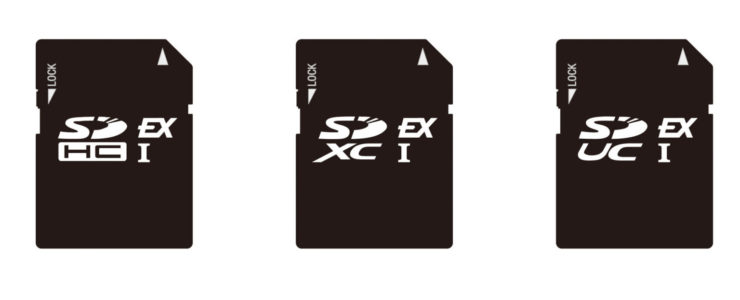
SD Express gigabyte speeds bring new storage opportunities for devices with demanding performance levels, across a variety of industries. The cards can move large amounts of data generated by data-intense wireless or wired communication, super-slow motion video, RAW continuous burst mode and 8K video capture and playback, 360 degree cameras/videos, speed hungry applications running on cards and mobile computing devices, ever evolving gaming systems, multi-channel IoT devices and automotive to name a few. SD Express will be offered on SDHC, SDXC and SDUC memory cards.
“By dramatically increasing the speeds for SD Express we’re giving device manufacturers and system developers more storage choices,” said Hiroyuki Sakamoto, SDA president. “SD 8.0 may open even more opportunities for extra high performance solutions using removable memory cards.”
“PCI-SIG® is pleased to see that SDA is continuing to adopt even faster PCIe technology configurations using PCIe 4.0 interface and dual lanes for one of the top leading removable memory cards – SD,” said Al Yanes, PCI-SIG president and chairman. “PCIe specification conformance tests are available today by major test vendors, offering a significant advantage for any new PCIe technology adopter.”
“NVMe is the industry-recognized performance SSD interface from the client to the datacenter, shipping in millions of units,” said Amber Huffman, NVM Express™ Inc. president. “Consumers will benefit by SD Association continuing the adoption of the NVMe base specification for their latest SD Express cards.”
SD Express uses the well-known PCIe 4.0 specification and the latest NVMe specification (up to version 1.4) defined by PCI-SIG and NVM Express, respectively. SD 8.0 specification provides two transfer speed options for SD Express memory cards. The two transfer speeds are accomplished by supporting either PCIe 3.0 x2 or PCIe 4.0 x1 architectures with up to ~2GB/s and with PCIe 4.0 x2 technology with up to 4GB/s. SD Express cards offering PCIe 4.0 x1 architecture use the same form factor as defined for SD 7.0 specification cards with a second row of pins to deliver transfer speeds up to 2 GB/s. SD Express cards supporting dual PCIe lanes (PCIe 3.0 x2 or PCIe 4.0 x2 technologies) have three rows of pins.
The SDA makes adoption of SD Express easy allowing companies to use existing test equipment and saving in product development costs. The SD 8.0 specification continues giving system developers access to PCIe and NVMe technologies, such as Bus Mastering, Multi Queue (without locking mechanism) and Host Memory Buffer.
Another step towards the final release of the game changing Canon EOS R5.
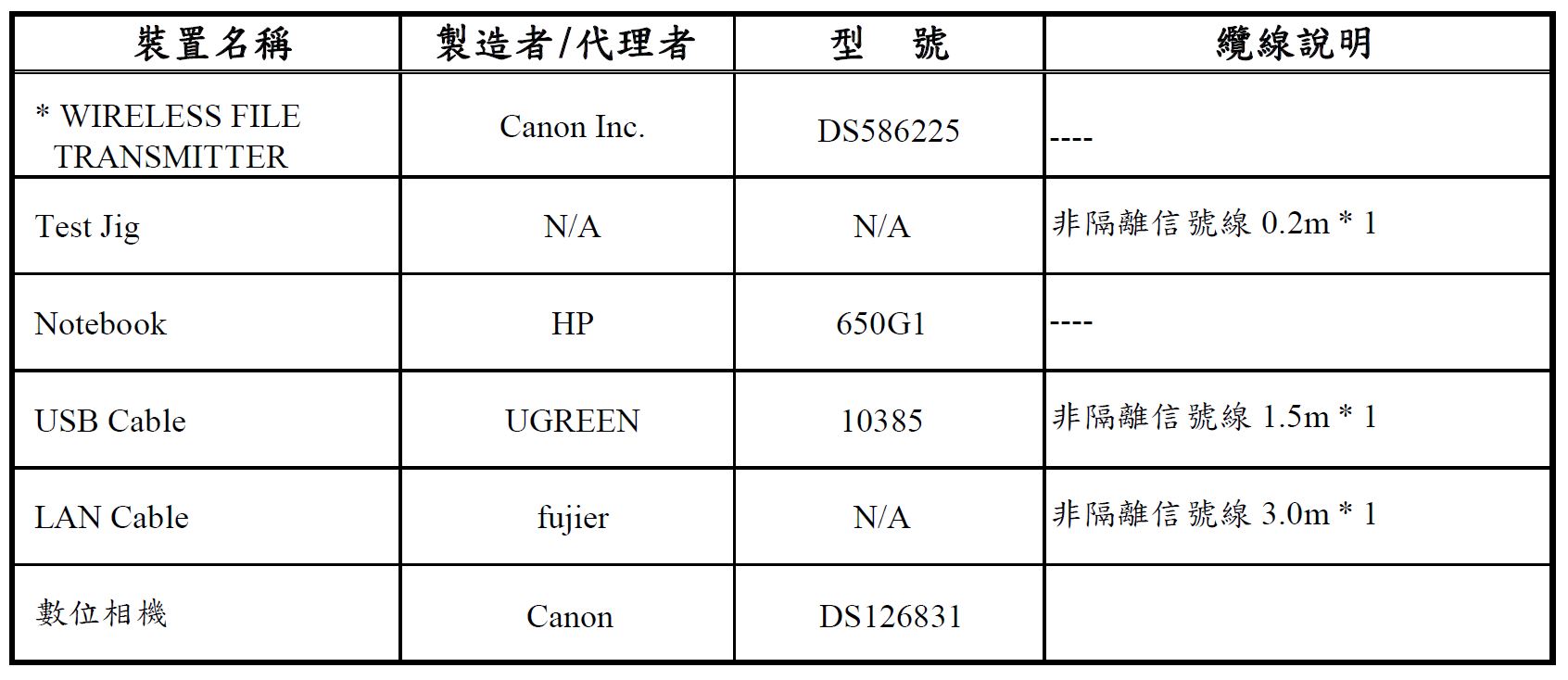
The camera accessory DS586225 was registered at a Taiwanese wireless certification agency. The camera accessory is a wireless file transmitter for the upcoming EOS R5 (all available intel listed here).
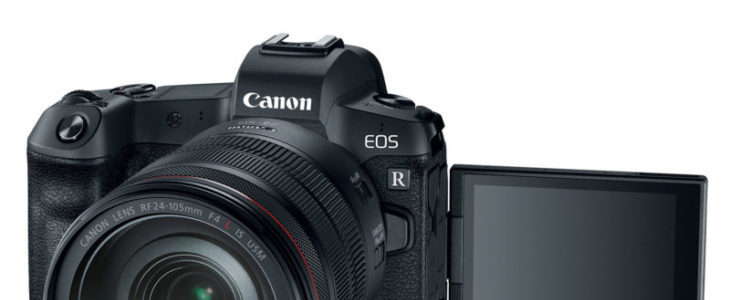
Why use a Canon EOS R as a webcam? Canon recently released a pretty cool free software, Canon EOS Webcam Utility Beta. Unfortunately, for the time being it’s available only for Windows computer.
However, Marius Masalar published a short and easy to follow tutorial about how to use an EOS R as an external webcam on a Mac OS X system. Following Marius how-to you’ll be able to use your EOS R as a high-quality webcam, even in the latest versions of Zoom that has disabled virtual webcams.
You need only three things:
A Canon EOS R, and an USB cable to connect it to your computer
Camera Live: Download the latest version from GitHub
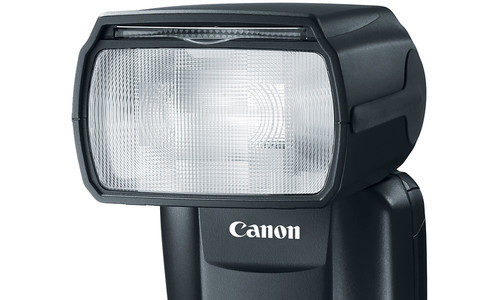
Canon might soon announce a replacement for the Speedlite 600EX II-RT, a new rumor suggests.
Since the Speedlite 600EX II-RT saw a price drop in January, the possibility of a replacement was on the table. Apparently the replacement has been delayed along with both the Canon EOS R5 and Canon EOS R6, and should be announced together with the R5 and R6 in the next months.
While there are no rumored specifications, the source of the rumor states that the upcoming Speedlite will be a “big step forward”.
This website or its third-party tools use cookies, which are necessary to its functioning and required to achieve the purposes illustrated in the cookie policy. If you want to know more or withdraw your consent to all or some of the cookies, please refer to the cookie policy. By closing this banner you agree to the use of cookies.