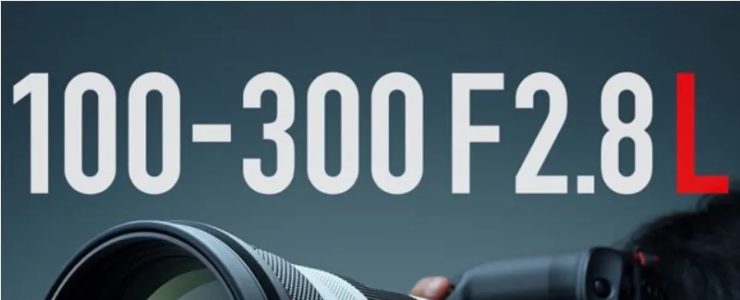
It’s Here: Canon RF 100-300mm f/2.8L IS – $9499 (officially announced)

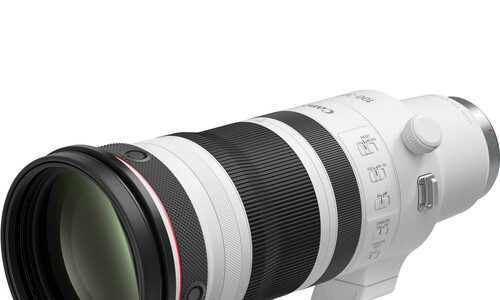
Canon RF 100-300mm f/2.8L IS

Canon announced the Canon RF 100-300mm f/2.8L IS, a professional grade lens with a pro price.

At a glance:

  • Telephoto zoom lens that builds on the legacy of the popular EF300mm f/2.8 lens.
  • Fast f/2.8 maximum aperture throughout the whole zoom range for great control over depth of field, bokeh, and low-light shooting with fast and reliable autofocus.
  • Excellent image quality: highlights include one flourite lens, and 4 UD (Ultra-low Dispersion) glass elements, flourine coating, and Canon SSC (Super Spectra Coating) to minimize ghosting and flare.
  • Built-in function/focus preset selector switch allows you to program a focus preset recall into the buttons at the front of the lens.
  • Optical image stabilization — up to 5.5 stops* of shake correction. Up to 6.0 stops Coordinated IS when paired with EOS R series cameras featuring In-Body Image Stabilizer (IBIS).
  • 2 Nano USMs achieves outstanding image quality throughout the focusing range, from infinity to close-up thanks to 2 focusing groups that are independently actuated.
  • Dedicated, programmable Control Ring, with click-stop operation.
  • Impressively light at only 5.8 lbs., which makes it the lightest f/2.8 zoom lens with a 300mm focal length on the market.**
  • Circular (9 blades) aperture for beautiful, soft backgrounds.

The Canon RF 100-300mm f/2.8L IS sells at $9,499. Preorders are open.

[shoplist 71058]

Here is some stuff about the lens.

Press release:

Canon Introduces the RF100-300mm F2.8 L IS USM to Its Lens Lineup

The new lens combines the flexibility of a zoom lens with the quality of a telephoto lens

MELVILLE, NY, April 20, 2023 – Today, Canon U.S.A., Inc., a leader in digital imaging solutions, announced the launch of the RF100-300mm F2.8 L IS USM lens, answering calls from photojournalists and professional level customers for a modern 300mm f/2.8 equivalent lens.

“This lens is an absolute game changer! It gives you the most incredible range, but without sacrificing the f/2.8 aperture. To have this kind of performance at your fingertips is incredible!”

Roberto Valenzuela, fashion and wedding photographer

For decades, the 300mm f/2.8 telephoto lens has been an industry standard for photojournalists, professionals, and aspiring enthusiast photographers due to its outstanding image quality, excellent speed for indoor shooting, and relatively light weight for hand-holding. Now, with the launch of the RF100-300mm F2.8 L IS USM, Canon delivers the flexibility of a zoom lens design with the truly outstanding quality of a 300mm f/2.8 L-series telephoto lens. Exceeding the reach and potential of traditional 70-200mm lenses, and adding zoom flexibility to its Canon EF 300mm f/2.8L IS predecessor, the RF100-300mm F2.8 L IS USM lens brings new value to customers with the following features:

  • Wide Focal Range — 100-300mm range
  • Extended Zoom — Optional RF1.4x and 2x extenders are supported with this lens, enabling a zoom range of up to 600mm
  • Spectacular Image Quality — f/2.8 constant wide aperture; Fluorite Aspherical and UD-glass design
  • Reliable Stabilization — Up to 5.5 stops correction with in-lens Optical Image Stabilization and up to 6.0 stops correction with in-body coordinated Image Stabilization (CIPA standard)
  • Weather and Dust Resistant — Durable in various environmental conditions
  • Compact and Lightweight Design — Despite capabilities to zoom over 300mm, this lens is unusually lightweight, just barely heavier than the EF300mm f/2.8L IS II

“I love this lens! It’s incredibly lightweight, versatile, and sharp. Toss on the 2x extender and you can snipe gorgeous frames at a distance, especially with the built in image stabilizer. This lens is going to change the game for live concerts, weddings, and so much more.”

Ben Hagarty, Grammy award-winning cinematographer

This telephoto zoom lens is ideal for professionals who use a Canon EOS R3, EOS R5 or EOS R6 Mark II full-frame mirrorless camera, but can also be a catalyst for users who have developed into serious, aspirational enthusiasts and are looking to step beyond their traditional telephoto lens experience. Best use cases include, but are not limited to, indoor sports, motorsports, outdoor fashion, video and cinema, photojournalism and theater work. For high-level shooters and videographers particularly working in low-light settings and seeking a hand-holdable solution, this lens provides the total answer.

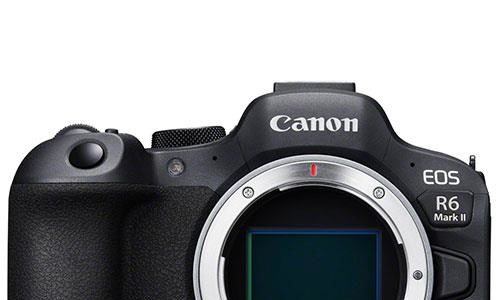
Canon EOS R6 Mark II Review (a mini EOS R3?)

canon EOS R6 Mark II review

Here is a Canon EOS R6 Mark II review by a professional and reliable reviewer.

At a glance:

  • 24.2MP Full-Frame CMOS Sensor
  • 4K60 10-Bit Internal Video, C-Log 3
  • External 6K ProRes RAW Recording
  • Dual Pixel CMOS AF II
  • 12 fps Mech. Shutter, 40 fps E. Shutter
  • Sensor-Shift 5-Axis Image Stabilization
  • 3.69m-Dot OLED EVF
  • 3″ 1.62m-Dot Vari-Angle Touchscreen LCD
  • Dual UHS-II Memory Card Slots
  • Multi-Function Shoe, Wi-Fi and Bluetooth

Dustin Abbott posted his full and exhaustive Canon EOS R6 Mark II review. A review that doesn’t let a question unanswered. From his conclusion:

In conclusion, the Canon EOS R6 MKII is a great improvement on its predecessor. I liked the R6, but going back to 20MP felt like a serious step back. The R6 MKII is improved in a variety of ways and has a great new sensor. I wouldn’t have minded seeing that resolution point moving up nearer to 30MP, but that’s not what happened. In most other ways, however, the R6 MKII’s sensor is very competitive with competing cameras on the market and even bests them in areas like High ISO performance and color fidelity.

The focus system is largely borrowed from the EOS R3, which means that it is among Canon’s best, and this can serve as a pretty great sports camera without breaking the bank.  The buffer depth isn’t as robust as the dedicated sports models, but it’s deep enough for many situations, and there are some easy workarounds (like using CRAW) that can help raise those limits.

When my biggest gripe is the position of the power switch you know that things are pretty good.  The Canon EOS R6 MKII is a great camera that is destined to be very popular and makes me anticipate what Canon does in the next generation of my beloved EOS R5 […] Read the review at Dustin Abbott’s…

All reviews by Dustin Abbott come with test charts, sample pics, dynamic range tests, and much more. Mr. Abbott also provides a video-review that someone might prefer to the written review. It’s here (below) for your viewing pleasure.

More Canon EOS R6 Mark II review coverage is listed here.

Canon EOS R6 Mark II world wide orders: [shoplist 70314]

Click here to open the rest of the article

How AI Technology is Changing Photography and How Canon Cameras are Incorporating AI

canon eos r3 review canon cameras eos r1

I thought I could write a short post about artificial intelligence and what it means for photography. Nowadays everyone is talking about AI technology, often mystifying it. Here are my 2 cents, with an eye on Canon cameras, obviously ;-)

Introduction

Artificial intelligence (AI) is changing the world of photography in many ways. From the emergence of new text-based diffusion models that allow anyone to create an image by typing a description, to the launch of more powerful AI image generators like DALL-E 2, the development of open-source tools like Stable Diffusion, and the experimentation of photographers with AI-generated creations, AI is transforming the way we think about photography.

Big players like Google and Microsoft are also developing more powerful AI tools. However, ethical and legal questions remain, and AI-generated images could start to replace photographs in specific areas like lifestyle stock imagery.

Canon cameras and AI

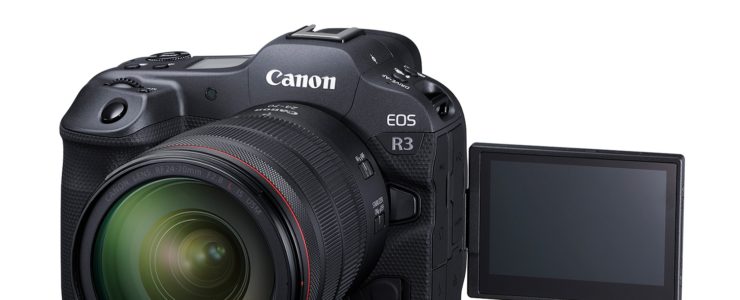
Canon cameras are incorporating AI technology. For example, the Canon EOS R3 features an AI-based autofocus system that can track subjects with incredible accuracy. The camera also has an AI-based image processor that can fix most major digital photo issues, such as distortion, vignetting, and chromatic aberration. AI is changing photography and Canon cameras are at the forefront of this transformation. As AI technology continues to evolve, we can expect to see even more exciting developments in the world of photography.

Canon’s Deep Learning AF

I decided to give this topic the most space, since it’s foundational to Canon’s approach to AI for auto-focus. To learn more about Deep Learning you might start here.

Canon’s Deep Learning AF is just one example of how AI is changing the photography industry. Deep Learning AF can improve the accuracy and speed of autofocus, which can help photographers capture better images. The technology can also help cameras focus on subjects more quickly and accurately, even in low light conditions. The algorithm was trained using Canon’s image database of sports photography and pictures of the company’s ambassadors who shoot sports. This has resulted in a highly accurate autofocus system that can track subjects even when they are moving quickly.

Deep Learning AF uses machine learning algorithms to analyze images and predict where the camera should focus. The algorithms are trained on large datasets of images to improve their accuracy over time. The technology can also learn from user feedback to improve its performance. Canon has integrated Deep Learning AF into several of its cameras, including the EOS-1D X Mark III and the EOS R5. The technology has enabled features such as Eye Detection AF and Head Detection AF, which can help photographers capture sharp images of people.

Canon plans to continue developing Deep Learning AF and integrating it into future products. By using machine learning algorithms to analyze images and predict where the camera should focus, the technology can help photographers capture better images. As Canon continues to develop and integrate Deep Learning AF into its products, we can expect to see even more advanced autofocus capabilities in the future.

Image Enhancement

AI is also being used to enhance the quality of photographs. By leveraging deep learning algorithms and neural networks, AI can improve various aspects of an image, even on the camera itself, including resolution, color balance, noise reduction, and more. Some of the key ways AI assists in image enhancement are:

  1. Super-resolution: AI algorithms can upscale low-resolution images by reconstructing high-frequency details and textures. This process, known as super-resolution, generates a higher-resolution image without sacrificing quality.
  2. Noise reduction: AI can effectively reduce image noise caused by low-light conditions or high ISO settings. By analyzing and differentiating between noise patterns and image details, AI can suppress noise while preserving essential information.
  3. High dynamic range (HDR): AI can help merge multiple exposures of the same scene into a single image with an extended dynamic range, preserving details in both the shadows and highlights. This creates a more balanced image with increased details and richer colors.
  4. Color correction and white balance: AI algorithms can analyze an image and make automatic adjustments to color temperature, saturation, and contrast, resulting in more accurate colors and improved overall image quality.
  5. Object and scene recognition: AI can identify and recognize objects, scenes, and even people within an image, enabling cameras to automatically adjust settings and apply appropriate image enhancements based on the subject matter.
  6. Autofocus and stabilization: AI can assist with faster and more accurate autofocus (see above), as well as image stabilization, by predicting subject motion and compensating for camera shake in real-time.

Conclusion

AI is changing the photography industry in many different ways, and it’s just the beginning. The best has yet to come. From improving autofocus systems to enhancing the quality of photographs and automating the editing process, AI is making it easier and more efficient to take great photographs. As AI continues to evolve, we can expect to see even more exciting developments in the world of photography. Stay tuned.


DxO PhotoLab Gets TIPA’s “Best Imaging Software” For The Fourth Year In A Row

photolab

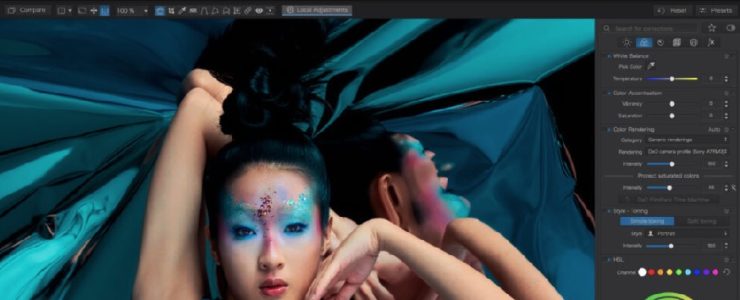
I use it, I like it, it’s pretty powerful yet doesn’t require a master in engineering to be used. It’s a very good piece of software. We are talking about DxO’s PhotoLab image editing software. It got the TIPA “Best Imaging Software” award. For the fourth year.

DxO PhotoLab 6 allows photographers to get the utmost quality from their RAW files. Its wide range of tools includes unique processing features such as the AI-powered DeepPRIME XD which removes unprecedented levels of noise, enhances detail, and delivers more accurate colors — all in just a few clicks. The software’s optical correction tools can make even entry-level lenses look professional. The new DxO Wide Gamut working color space ensures end-to-end accuracy, complemented by a soft proofing mode, and an innovative ColorWheel tool that gives users absolute control over hue, luminance, and saturation. Other creative and corrective tools include Smart Lighting (automated highlight and shadow balancing), ClearView (haze reduction), and an ingenious new ReTouch tool that offers sophisticated cloning and healing. In addition, DxO recently introduced DxO PureRAW, an application that sits alongside existing photo-editing software to eliminate noise and enhance detail in RAW files at the beginning of your workflow.

A free trail version is available too.

No More Supply Issues For Latest Canon Cameras (and some accessories)

canon eos r8 review

Canon Japan posted a statement where they communicate that supply issues affecting their recently announced cameras are now solved.

The latest Canon product advisory says there is supply shortage only for two lenses.

RF 400mm F2.8L IS USM
RF 800mm F5.6L IS USM
We are planning to ship in order, but it may take longer than usual to deliver.

The following gear is no longer experiencing supply issues:

Stay tuned.